Does Anterior Ankle Impingement Go Away?

Anterior ankle impingement occurs when the tissues or bones at the front of the ankle joint become compressed during dorsiflexion—the movement of bringing the toes toward the shin. Hikers, trail runners, and outdoor lovers who frequently navigate steep inclines, uneven ground, or rocky paths often experience this sharp, restrictive pain. Understanding how this condition behaves, how long recovery takes, and how to support the joint during outdoor adventures is key to returning to the trails safely.
Can Anterior Ankle Impingement Heal on Its Own?
Anterior ankle impingement can improve significantly, but whether it fully goes away without intervention depends entirely on the root cause of the compression.
Soft Tissue Impingement vs Bone Spurs
Soft tissue impingement involves inflamed synovial lining or thickened scar tissue at the front of the ankle joint. This type often responds well to conservative management, rest, modified training schedules, and proper joint stabilization. Over time, as inflammation subsides, the pinching sensation can disappear completely.
In contrast, bony impingement is caused by osteophytes—small bone spurs that form on the tibia or talus due to repetitive micro-trauma or past ankle sprains. Bone spurs do not dissolve naturally. While conservative care can eliminate pain and inflammation around the spur, the physical bone outgrowth remains unless surgically removed.
Factors That Influence Natural Recovery Time
-
Severity of the joint compression and inflammation
-
Duration of symptoms before starting active management
-
Daily activity levels and load on steep terrain
-
Consistency in wearing supportive gear during trail activities
Conservative Management and Recovery Strategies
For most outdoor enthusiasts, conservative care is the primary path toward reducing pain and regaining full ankle mobility. Managing load and stabilizing the ankle joint are essential first steps.
Active Rest and Load Modification
Continuing to push through sharp ankle pain on steep uphill hikes can worsen tissue inflammation. Modifying activities allows the micro-tears and irritated joint lining time to settle.
-
Switch temporarily to low-impact endurance training like cycling or swimming
-
Avoid deep squatted positions and steep incline walking during active flare-ups
-
Shorten stride length when walking on flat surfaces to avoid deep ankle dorsiflexion
Targeted Strengthening and Mobility Drills
Rest alone is rarely sufficient for long-term recovery. Strengthening the surrounding musculature helps stabilize the ankle joint complex.
-
Calf and anterior tibialis eccentric strengthening
-
Controlled mobility exercises focused on plantaflexion and lateral stability
-
Proprioception training on balance boards to prevent recurrent ankle roll
External Support and Joint Stabilization
Using a specialized supportive brace is one of the most effective non-invasive ways to protect the front of the ankle joint during physical activity. External support limits excessive forward movement, preventing the talus and tibia from pinching inflamed tissues.
When selecting gear, finding the best brace for anterior ankle impingement makes a substantial difference in comfort during extended hikes or daily walks. Quality supports provide controlled compression to reduce local swelling while mechanical stays or strap systems restrict hyper-dorsiflexion.
The Role of Ankle Bracing on the Trail
For active individuals who refuse to stay off the trails, bracing serves as a critical bridge between injury and full recovery.
How an Impingement Brace Helps
An anterior ankle impingement brace works by limiting the end-range dorsiflexion where pinching occurs. By physically stopping the joint just short of the compression zone, the brace allows hikers to maintain an active lifestyle without constantly re-irritating the front of the ankle. Additionally, constant medical-grade compression keeps blood circulating, which accelerates the absorption of fluid accumulation.
Key Features to Look For in Trail Braces
-
Adjustable tension straps that restrict forward ankle flex without restricting walking stride
-
Breathable, moisture-wicking materials suitable for long hiking boots or trail running shoes
-
Slim profile design that fits comfortably inside technical footwear without creating pressure points
-
Durable lateral stays to prevent concurrent side-to-side ankle instability
Returning to Outdoor Activities Safely
Transitioning back to technical terrain requires a deliberate approach to avoid set-backs and chronic joint irritation.
Gradual Terrain Progression
-
Start on flat, paved paths or smooth dirt tracks to assess joint response.
-
Introduce moderate rolling hills with gentle inclines.
-
Progress to rocky trails, loose gravel, and steep uphill ascents while wearing an anterior ankle impingement brace for safety.
Pacing and Stride Management
-
Shorten your uphill stride to reduce the angle of ankle bending.
-
Use trekking poles to redistribute body weight away from the lower extremities on steep drops.
-
Take frequent rest breaks to prevent fatigue, which compromises joint biomechanics.
Quality Gear Solutions for Ankle Stability
Selecting reliable, high-performance ankle support is essential for long-term joint health during outdoor pursuits. Brand manufacturers like Fivali focus on producing ergonomic supports designed for active individuals needing precise compression and movement control. Utilizing an anterior ankle impingement brace from a trusted performance support line ensures durable construction that withstands rough outdoor conditions while providing the exact biomechanical restriction needed to keep joint compression at bay.
Whether dealing with soft tissue swelling or managing symptoms around bone spurs, utilizing the best brace for anterior ankle impingement allows trail lovers to protect their joints, maintain stability, and navigate challenging outdoors comfortably.
Fivali Hot Selling
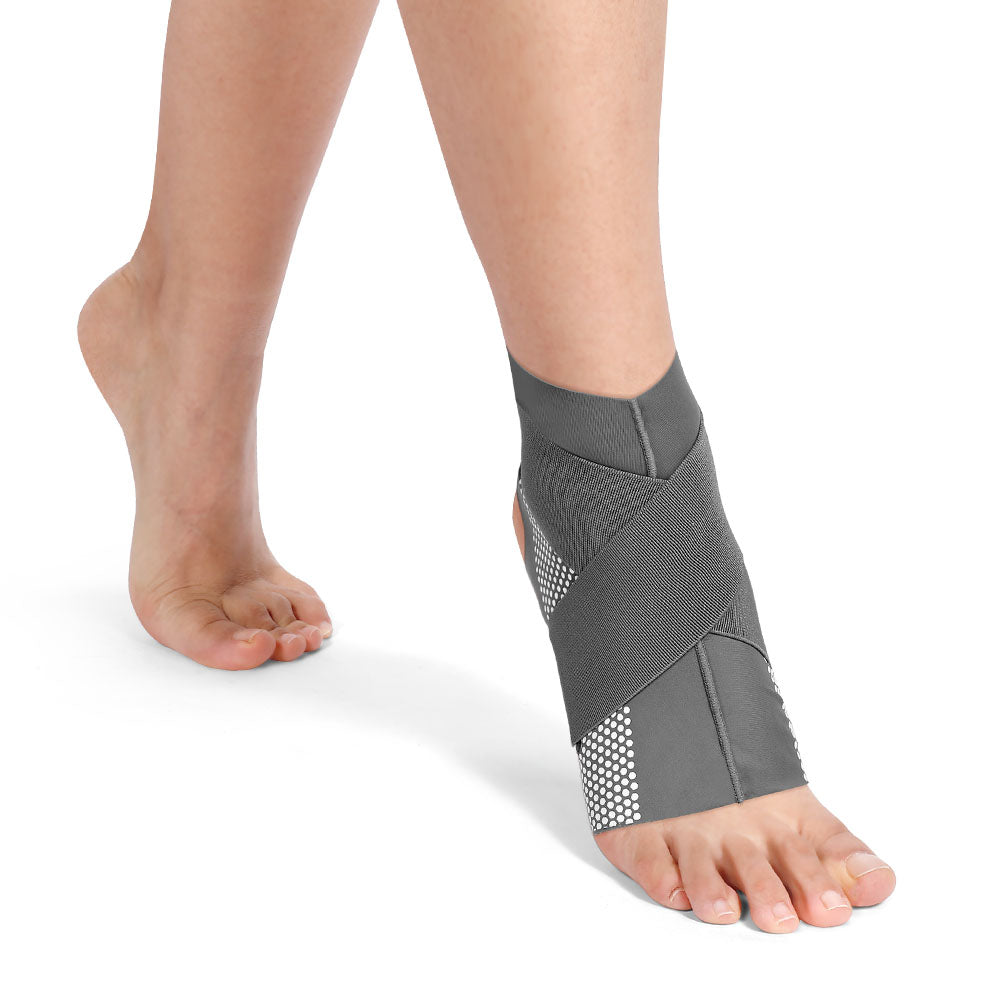
✧ Fivali Adjustable Ankle Compression Support Wrap - 2 Pack FAR04
- Cross-Strap Ankle Stability
- Adjustable Support to Fit Your Needs
- Compression Without the Bulk
- 1 mm Thin and Lightweight for All-Day Comfort
- Support for Everyday Walking & Movement
- Speed Up Ankle Recovery & Pain Relief
Long-Term Outlook for Ankle Health
With proper care, activity modification, and structured joint protection, anterior ankle impingement does not have to mean the end of outdoor adventures. While structural bone spurs require ongoing management to remain painless, soft tissue irritation can resolve completely with patience and support. By incorporating effective joint bracing, maintaining calf flexibility, and building strong lower leg stability, hikers and runners can safely explore the outdoors while keeping ankle pain from returning.
-
Posted in
ankle, Ankle Injuries