How to Avoid Shoulder Pain During Swimming This Summer?
Summer swimming offers an unmatched cardiovascular workout, building stamina, burning calories, and challenging muscular endurance. For HIIT enthusiasts who love pushing physical limits, swimming serves as an exceptional low-impact option to pair with high-intensity interval training. However, repetitive overhead strokes can take a severe toll on the upper body, frequently leading to discomfort or inflammation in the shoulder joint. Preventing injury while maintaining a high level of physical performance requires smart preparation, proper stroke technique, targeted dryland conditioning, and the right functional support gear.

What Causes Shoulder Wear and Tear in the Pool
The repetitive mechanics of swimming demand continuous rotation and strength from the rotator cuff muscles. When incorporating high-intensity intervals into pool workouts, fatigue builds quickly, compromising form and increasing stress on surrounding joints.
How Overhead Strokes Strain the Joints
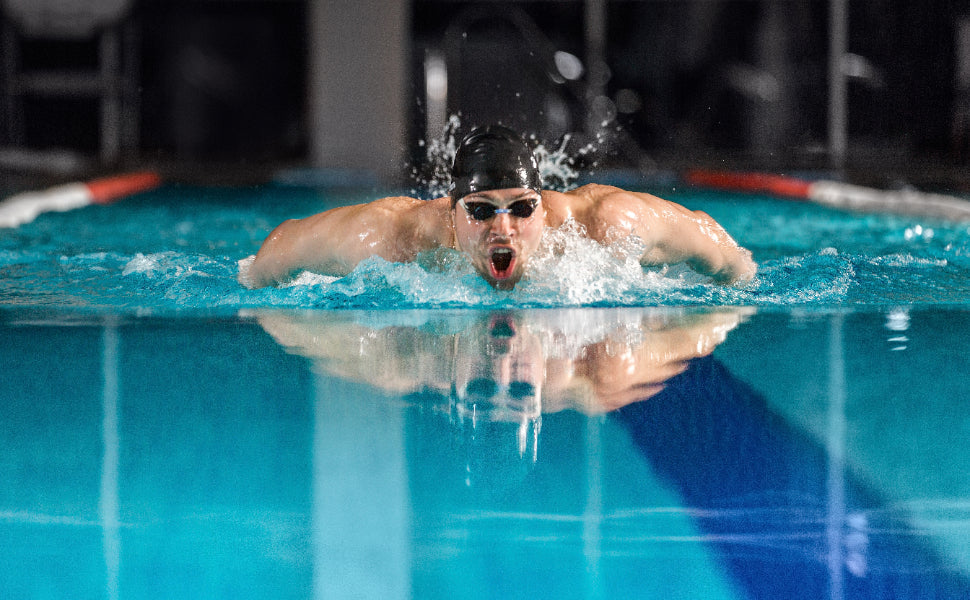
During freestyle and butterfly strokes, the shoulder completes thousands of revolutions per workout. Proper internal and external rotation depend on muscular balance between the chest, upper back, and rotator cuff.
- High repetition rates create continuous micro-trauma in upper body connective tissue if mechanics break down.
- The internal rotation phase places heavy mechanical demand on the pectorals and anterior deltoids.
- External rotators must work twice as hard to decelerate the arm and keep the humeral head centered in the socket.
How Tired Muscles Lead to Bad Form
As fatigue sets in during intense swimming sets, swimmers often drop their elbows or rush the entry phase. Poor alignment leads to impingement, friction, and shoulder pain during swimming sessions.
- Exhausted core muscles cause the hips to drop, forcing the arms to pull harder against water resistance.
- Dropping the elbow during the catch phase compresses the subacromial space, irritating delicate tendons.
- Asymmetric breathing patterns overload one side of the upper body, creating structural muscle imbalances.
Easy Steps to Warm Up Before Swimming
Proper warm-up protocols prepare muscle tissue and improve mobility before hitting the water. Incorporating functional movement exercises builds joint resilience for rigorous training schedules.
Simple Warm-Up Moves for Better Mobility
Static stretching before high-intensity swimming can temporarily decrease power output and reduce joint stability. Dynamic warm-ups activate stabilizing muscles, enhance joint fluid circulation, and prime neuromuscular connections for intense work.
- Arm swings across the chest to loosen tight pectoral muscles and open up the thoracic spine.
- Controlled rotational circles to activate the deltoids, supraspinatus, and scapular stabilizers.
- Band pull-aparts to engage the rear deltoids, mid-trapezius, and rhomboids for superior posture control.
- Wall slides to encourage smooth upward rotation of the scapula prior to repetitive overhead work.
Using Core Power to Move Smoothly
A strong core maintains a horizontal body position in the water, reducing excessive twisting at the shoulder joint. Swimmers should maintain active abdominal tension throughout every lap to streamline movement.
- Deep abdominal activation prevents excessive arching in the lower back during overhead extension.
- Stable hips allow power to transfer smoothly from the legs through the torso into the water.
- Rotational core stability reduces unwanted torso sway, keeping the upper body inside a safe movement corridor.
Smart Swimming Tweaks to Protect Your Joints
Small adjustments in technique significantly lower stress on upper body joints without sacrificing speed or workout intensity.
Fixing Your Elbow Position to Save Energy
Dragging the hand forward with a low elbow strains the front deltoid and compresses the joint space. Maintaining a high elbow position during recovery keeps the shoulder joint in a safer neutral alignment.
- Lift the elbow high toward the sky while relaxing the forearm and hand during the forward recovery phase.
- Enter the water fingers-first with the hand tilted slightly downward, avoiding flat hand slaps.
- Extend forward under the water rather than pressing down immediately, preserving shoulder space.
Rolling the Body to Take Pressure Off Arms
Failing to rotate the torso forces the shoulder to do all the work during propulsion. Rotating the body from side to side allows power to generate from the core and hips rather than relying solely on arms.
- Rotate the chest and hips together as a single unit to an angle of roughly 35 to 45 degrees.
- Drive the pull phase using the large muscles of the back rather than isolating the small shoulder rotators.
- Glide smoothly through the water between strokes to maximize distance per stroke and minimize joint strain.
Quick Recovery Hacks for Fast Muscle Relief
Post-workout recovery routines ensure that high-intensity athletes can return to training quickly while keeping joint stress manageable.
Easy Post-Swim Habits to Reduce Soreness
After finishing an intense pool session, immediate targeted recovery helps minimize soreness and maintain mobility for upcoming workouts.
- Active cool-down laps at a gentle pace to flush metabolic waste from overworked muscle tissues.
- Post-swim static stretching for the pectorals and latissimus dorsi once muscle tissue is thoroughly warm.
- Cold therapy applications or ice massage on overloaded joints to keep tissue tension under control.
- Foam rolling the upper back and lats to break up fascia tightness and improve tissue quality.
Wearing Supportive Gear Between Workouts
Targeted support equipment can assist in managing joint alignment and stability between intense workout days. Incorporating double shoulder braces during post-training recovery or dryland conditioning helps stabilize surrounding muscles and encourages proper scapular posture. Utilizing double shoulder braces provides gentle compression, enhancing blood circulation, keeping tissues warm, and reinforcing joint alignment so active individuals can stay on track with their summer conditioning plans. Reliable support designs from trusted performance brands like Fivali help active individuals keep their posture aligned, reduce muscle flutter, and maintain optimal joint comfort between training days.

Weekly Routine to Keep Your Body Strong
Structuring a balanced weekly schedule prevents overuse injuries while maximizing athletic progression and upper body strength.
Combining Pool Laps with Land Exercises
Combining swimming with targeted weight training builds the necessary strength to protect vulnerable joints against repetitive stress.
- Horizontal pulling exercises like chest-supported rows and face pulls to offset anterior chest tightness.
- External rotation exercises using light resistance bands to reinforce rotator cuff endurance.
- Lower body and core strength work to maintain power delivery throughout the entire kinetic chain.
- Overhead press variations using neutral grips to build overhead stability without pinching tendons.
Increasing Workout Load Step by Step
Rapid increases in yardage or sprint volume often trigger shoulder pain during swimming workouts. Incremental volume increases of no more than ten percent per week allow tendons and ligaments time to adapt to heavy workloads.
- Track weekly pool distance and intensity to prevent sudden spikes in total upper body workload.
- Alternate hard interval days with lighter technique-focused sessions to allow structural recovery.
- Use kickboards strategically to maintain leg conditioning while resting overloaded upper body joints.
Simple Daily Habits for Healthy Shoulder Care
Consistency in joint maintenance ensures long-term progress for any high-intensity athlete. Prioritizing rest days, proper nutrition, hydration, and active recovery allows muscles to rebuild stronger after demanding pool sessions. By focusing on smart stroke mechanics, dynamic prep work, and utilizing supportive equipment like double shoulder braces when recovering, athletes can continue conquering summer fitness goals without structural setbacks.
-
Posted in
Pain, Recovery, Shoulder pain