Why Do I Still Get Growing Pains in My Legs as an Adult?
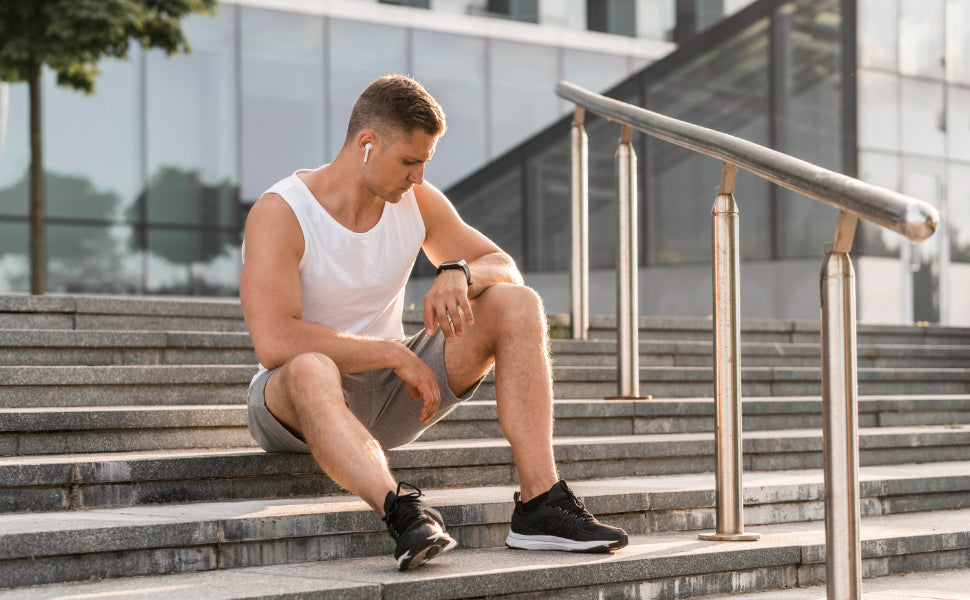
That deep, throbbing, or aching sensation in the lower limbs is something most people associate with childhood. It is the classic excuse given when a school-aged child wakes up crying in the night with uncomfortable lower limbs. However, a surprising number of mature individuals experience a nearly identical sensation well past their developmental years. When these deep aches strike later in life, many individuals find themselves asking: "Why do I still get growing pains in my legs as an adult?"
While skeletal growth has long since ceased, the musculoskeletal system remains highly susceptible to strain, fatigue, and structural misalignment. This article explores the physiological triggers behind these adult aches, how modern lifestyle factors contribute to lower limb discomfort, and effective strategies for long-term relief.
The Myth of Adult Skeletal Growth
The term "growing pains" is technically a misnomer, even in childhood, as medical research has never directly linked the discomfort to rapid bone elongation. In maturity, the epiphyseal plates (growth plates) have completely fused, meaning the bones are no longer changing in length. Therefore, experiencing this familiar ache in the thighs, calves, or behind the knees requires looking closely at soft tissues, biomechanics, and daily physical stressors.
When the lower limbs experience a diffuse, bilateral ache after a long day, it is generally an indicator of muscular overload or structural fatigue rather than developmental changes. The sensation mimics childhood discomfort because the nerve pathways registering deep muscular fatigue and myofascial tightness operate similarly at any stage of life.
Primary Triggers for Lower Limb Aches in Maturity
Understanding why these sensations persist requires analyzing daily physical habits, structural stressors, and how the body recovers from strain.
Chronic Muscle Fatigue and Overuse
The most frequent culprit behind deep lower limb aches is delayed onset muscle soreness (DOMS) or simple physical exhaustion. Engaging in a new workout routine, walking long distances on hard surfaces, or standing for prolonged periods during a work shift strains the quadriceps, hamstrings, and calf muscles. This localized exhaustion often manifests as a dull, radiating ache that peaks during periods of rest or during the night.
Repetitive Strain and Postural Imbalance
Modern professional environments often require hours of sedentary desk work or repetitive, unvaried movements. Sitting with improper posture or poor ergonomic support alters the alignment of the pelvis and lower spine. This imbalance forces the muscles of the upper legs to work twice as hard to maintain stability when standing or walking, leading to chronic tightness that mimics the deep, historical aches of youth.
Poor Circulation and Venous Insufficiency
When sitting or standing for hours without adequate movement, blood can pool in the lower extremities. This inefficient circulation prevents metabolic waste products, like lactic acid, from being efficiently cleared from muscle tissues. The accumulation of these waste products causes a heavy, aching sensation in the thighs and calves that feels remarkably similar to childhood nocturnal aches.
Biomechanical Factors in Upper Leg Discomfort
The human lower body operates as a complex chain of joints, ligaments, and muscles. An issue in one localized area can easily radiate outward, causing generalized discomfort across the entire limb.
Pelvic and Hip Alignment Issues
The hips serve as the foundational anchor for the lower extremities. If there is a functional misalignment in the pelvic region due to weak gluteal muscles or tight hip flexors, the strain is transferred directly downward. This structural compensation frequently causes a radiating ache through the front and sides of the upper limbs, leaving individuals wondering why they are dealing with growing pains in my legs as an adult.
Foot Mechanics and Unsupportive Footwear
Overpronation (the feet rolling inward) or flat feet can alter the angle at which the knees and hips absorb impact. Walking miles in shoes that lack proper arch support forces the large muscle groups of the upper legs to absorb the shock that the feet were supposed to handle. This repetitive micro-trauma builds up over days and weeks, culminating in deep, structural aches.

Targeted Support Strategies for Muscle Recovery
Managing these deep muscle aches effectively requires a combination of active recovery, targeted compression, and external structural support to alleviate daily strain.
Utilizing Compression for Circulation and Stability
One of the most effective ways to manage diffuse upper leg soreness is through mechanical compression. Incorporating high-quality thigh compression sleeves into a daily routine helps stimulate localized blood flow, assisting the body in flushing out metabolic waste more efficiently after long periods of standing or intense exercise.
| Feature | Benefits for Lower Limb Recovery |
| Increased Blood Flow | Delivers oxygenated blood to fatigued quadriceps and hamstrings. |
| Reduced Muscle Oscillation | Minimizes micro-tears in muscle fibers during high-impact movement. |
| Targeted Warmth | Keeps soft tissues pliable, reducing stiffness during periods of rest. |
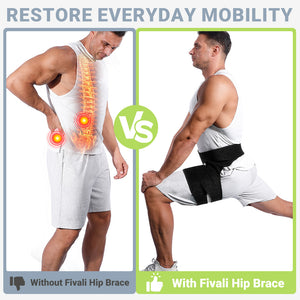
For individuals experiencing localized weakness or structural instability around the upper thigh and groin area, a specialized hip thigh support can provide the necessary external reinforcement. This type of support stabilizes the pelvic region and limits the erratic muscle movements that contribute to chronic fatigue.
Implementing Active Rest and Stretching Routine
Allowing fatigued muscles to stiffen up after a demanding day often exacerbates night aches. Implementing a gentle, low-impact recovery routine can dramatically decrease discomfort:
-
Hamstring and Quadriceps Stretches: Holding gentle, static stretches for 30 seconds helps elongate tight muscle fibers and relieve tension on surrounding joints.
-
Foam Rolling: Utilizing a foam roller on the IT band, quadriceps, and calves helps break up fascial adhesions and improves tissue elasticity.
-
Low-Impact Mobility: Light cycling or swimming encourages circulation without adding high-impact stress to weary joints and muscles.
Long-Term Prevention Through Biomechanical Support
To stop lower limb aches from returning systematically, the root causes of muscular fatigue and structural strain must be addressed through proper external alignment and high-quality gear.
Choosing the Right Orthopedic Supports
When selecting supportive gear to combat daily physical strain, choosing anatomically designed solutions is vital. Utilizing a targeted thigh brace provides the structural stabilization necessary to unload pressure from overused muscle groups, allowing tissue to recover during everyday activities. High-quality options, such as those engineered by Fivali, offer breathable fabrics and adjustable compression vectors that conform precisely to the contours of the upper leg, ensuring that users can maintain an active lifestyle without constant structural discomfort.
Ergonomic Adjustments for Sedentary Environments
For those who spend the majority of the day at a desk, simple environmental modifications can prevent the pelvic misalignment that triggers lower body aches:
-
Utilize an Ergonomic Footrest: Keeping the feet slightly elevated keeps the pelvis in a neutral position, reducing strain on the hip flexors.
-
Incorporate Frequent Movement Breaks: Standing up or walking for two minutes every hour prevents venous pooling and keeps lower limb circulation active.
-
Optimize Chair Height: Ensure that hips are slightly higher than the knees, which reduces the compressive load on the lower spine and hamstrings.
✧ Unisex Hip and Leg Brace with Mobility Enhancement and Sciatica Groin Pain Injury Prevention
- User-friendly Design for Comprehensive Protection of Legs, Hips, Thighs, and Waist
- Abrasion-resistant & Durable Material for Long-lasting Use
- Elastic Fabric Ensures Comfortable Fit
- Aids in Preventing and Relieving Hip Arthritis and Joint Conditions
- Universal Fit for Left and Right Side

The Role of Lifestyle Factors in Tissue Health
Beyond mechanical support and structural alignment, everyday wellness habits dictate how effectively muscle tissue repairs itself after daily exertion.
Dehydration and Electrolyte Imbalances
Muscles require a precise balance of water and essential minerals—such as magnesium, potassium, and calcium—to contract and relax smoothly. Dehydration causes muscle fibers to become hyper-irritable, leading to nocturnal twitching, cramping, and a persistent, dull ache that can easily be mistaken for developmental bone pain.
Quality of Rest and Sleep Hygiene
Deep tissue repair occurs predominantly during the deeper stages of sleep, when the body releases growth hormones to heal micro-tears in muscle tissue. Poor sleep quality or inadequate rest cycles hinder this natural restorative process, leaving muscles feeling progressively achier and more fatigued with each passing day.
Looking Ahead: Reclaiming Pain-Free Movement
By evaluating daily movement patterns, prioritizing proper ergonomics, and utilizing functional tools like a thigh brace or specialized thigh compression sleeves, it is entirely possible to alleviate these deep aches and restore comfort to daily life. These adult leg aches are not childhood bone growth, but your body’s reaction to daily muscle fatigue, poor posture, dehydration, or lack of sleep. By fixing these real lifestyle and movement triggers, you stop the buildup of tension in your legs, helping you stay active and move through your day without constant discomfort.
-
Posted in
Pain