A Mother’s Guide to Pain-Free Movement

The life of a mother is defined by constant motion. From the moment the sun rises until the house finally falls silent at night, a mother’s body is a primary tool for nurturing, maintaining, and managing a household. However, a silent crisis often exists within this whirlwind of activity: while mothers are "moving" all day long, they are rarely moving without pain. What should be fluid, natural transitions—picking up a toddler, reaching for a high shelf, or bending over the laundry—frequently become triggers for sharp twinges or dull aches. The expectation that physical discomfort is simply "part of the job" has led many to endure unnecessary suffering, yet reclaiming comfort is possible through mindful adjustments and the right support.
The Hidden Cost of Daily Motherhood
Physical activity for a mother is rarely like a structured gym session where form is prioritized. Instead, it is a series of reactive, repetitive, and often awkward movements that place immense strain on the musculoskeletal system. Over time, these small stresses accumulate into chronic issues. Understanding why movement becomes painful is the first step toward finding back pain relief and overall physical longevity.
- Repetitive Strain from Childcare and Chores
The repetitive nature of motherhood is one of the leading causes of joint and muscle fatigue. Lifting a child out of a crib dozens of times a day, carrying a heavy diaper bag, and performing the same scrubbing or vacuuming motions create "overuse syndromes." These actions target specific muscle groups while leaving others weak, leading to an imbalance that manifests as persistent soreness.
- Postural Hazards of Unilateral Loading
Mothers are masters of the "one-handed" life. Whether it is balancing a baby on one hip while stirring a pot or carrying heavy grocery bags in one hand to keep the other free, the body is frequently subjected to unilateral loading. This causes the spine to tilt and the pelvis to shift, putting uneven pressure on the discs and ligaments. Over months and years, this poor alignment becomes the body’s new "normal," resulting in chronic misalignment.
- The Recovery Deficit
Muscle fibers require downtime to repair the micro-tears that occur during exertion. In the life of a busy mother, true rest is a luxury that is often sacrificed for the needs of the family. Without adequate sleep or periods of physical stillness, the body remains in a state of constant inflammation. This lack of recovery prevents the "reset" the nervous system needs to dampen pain signals.
- Age and Natural Muscle Loss
As the years pass, sarcopenia—the natural loss of muscle mass—begins to affect how the body supports its own weight. Without active intervention to maintain muscle tone, the burden of movement shifts from the muscles to the joints and bones. This transition often leads to increased stiffness and a higher susceptibility to injury during standard daily tasks.

Navigating the Daily Routine with Better Mechanics
The journey to pain-free movement begins by identifying the specific moments during the day when the body is most vulnerable. By implementing small shifts in mechanics, the cumulative stress on the body can be drastically reduced.
Morning Transitions and Lifting Techniques
The transition from sleep to activity is a high-risk period for the lower back. Jumping out of bed and immediately bending over to pick up a child puts cold muscles under sudden tension. Instead, pivoting the legs to the floor and using the arms to push the torso upright protects the spine. When lifting from the floor or a low crib, the power must come from the legs, not the waist. Keeping the child close to the chest ensures the center of gravity remains stable, providing immediate back pain relief by reducing the leverage against the lumbar spine.
Managing Household Labor and Ergonomics
Daily chores like washing dishes or folding laundry often involve prolonged periods of slight forward leaning. This "micro-flexion" is exhausting for the spinal extensors. Placing one foot on a small stool while standing at the sink can neutralize the pelvis. During "work from home" hours or administrative tasks, ensuring the screen is at eye level prevents "tech neck," a common source of shoulder and upper back tension.
Active Movement and Exercise Safety
When mothers do find time for a workout, the goal should be functional strength rather than just calorie burning. Focusing on core stability ensures that the "internal corset" is strong enough to handle the chaotic movements of the day. Using this Body Pain Guide approach helps in choosing exercises that counteract the "hunched" posture of motherhood, such as rows, bridges, and planks.
Evening Recovery and Muscle Decompression
The end of the day is the most critical window for reversing the physical toll of the previous sixteen hours. Rather than simply collapsing onto the sofa, a dedicated ten-minute recovery routine can prevent morning stiffness.
Targeted Stretching for Tension Release
Gentle movements such as the "Cat-Cow" stretch or the "Child’s Pose" help to decompress the vertebrae. Focus on the hip flexors, which often tighten from sitting or carrying weight, and the chest muscles, which shorten from holding children. Deep, diaphragmatic breathing during these stretches helps switch the body from a "fight or flight" stress state to a "rest and digest" recovery state.
Thermal Therapy for Circulation
Applying heat to the lower back or neck area encourages blood flow to tired tissues. A warm bath or a heating pad helps to dilate blood vessels, allowing oxygen and nutrients to reach the muscles and flush out metabolic waste. This simple habit can significantly lower the perception of pain before sleep.
Integrating Strategic Support and Bracing
There are times when postural awareness and stretching are not enough. When the body is healing from an injury or facing an exceptionally demanding day, external support becomes a vital tool in a mother’s arsenal. High-quality compression and bracing can provide the stability that tired muscles can no longer maintain.
Identifying the Need for Support
Bracing should be considered when:
-
Pain persists for more than a few days despite rest.
-
Certain movements, like squatting or lifting, feel unstable or "loose."
-
Old injuries flare up during seasonal changes or increased activity levels.
-
The goal is to maintain activity levels during a Mather's day sale or busy holiday season without worsening existing conditions.

Recommended Support Solutions from Fivali
To ensure safety and effectiveness, choosing specialized gear is essential. The following categories of support are designed to mimic the body’s natural structures:
-
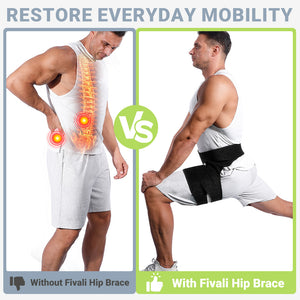
Back Braces: A high-quality back brace provides lumbar stabilization, preventing the spine from rounding during heavy lifting. It serves as a physical reminder to maintain a neutral posture, offering significant back pain relief during long hours on one's feet.
-
Knee Braces: For mothers who are constantly kneeling to play or climbing stairs, a knee brace with lateral stabilizers can reduce the pressure on the patella and ligaments.
-
Shoulder Braces: These are excellent for correcting "rounded shoulders" and providing compression to the rotator cuff, which is often strained by carrying heavy bags or children.
By utilizing professional-grade equipment from Fivali, mothers can add a layer of protection to their daily lives, ensuring that their joints are guarded against the rigors of household management.
Small Changes for Lifelong Mobility
The goal of pain-free movement is not to achieve a state of perfection, but to foster a more sustainable relationship with the body. Motherhood is a marathon, not a sprint, and the physical demands change as children grow. By prioritizing mechanics, allowing for recovery, and utilizing supportive tools when necessary, the "daily grind" can be transformed into a series of comfortable, fluid actions.
Investing in movement health is an investment in the entire family's well-being. When a mother is not distracted by the throbbing of a sore back or the pinch of a tight shoulder, she is more present, energetic, and capable. Reclaim the joy of movement by making small, consistent adjustments today. Whether it is upgrading a brace during a Mather's day sale or simply remembering to lift with the legs, every small change contributes to a future of strength and vitality.
-
Posted in
Back pain causes, Back pain solutions, Brace