Post-Thanksgiving Recovery: Simple Ways to Relieve Everyday Body Fatigue

The holiday season brings immense joy, delicious meals, and precious moments with loved ones, yet the aftermath often leaves individuals feeling physically drained. Between hours spent standing over a hot stove, long cross-country drives, heavy lifting during decorations, and disrupted sleep schedules, the human body absorbs a significant amount of physical stress. Recovering from this seasonal exhaustion does not require complicated medical interventions. Instead, adopting simple, practical daily habits can restore energy levels, soothe tired muscles, and help the body bounce back smoothly into its regular rhythm.
Why Holiday Celebrations Cause Physical Exhaustion
Holiday fatigue rarely stems from a single event. Rather, it is the cumulative result of several physical and lifestyle disruptions happening simultaneously over a few days:
Prolonged Standing and Kitchen Strain
Preparing a traditional feast requires hours of standing on hard kitchen floors, chopping vegetables, and lifting heavy roasting pans. This sustained static posture places continuous pressure on the lower spine and leg joints, quickly fatiguing muscles in the lumbar region and leading to noticeable stiffness the following morning.
Travel Stiffness and Sedentary Hours
Whether flying across the country or navigating busy highways, extended periods of sitting restrict healthy blood circulation in the lower extremities. Fluid tends to pool around the ankles and calves, causing heavy, aching legs, while cramped seating forces the spine into unnatural curves that strain supporting ligaments.
Sleep Disruption and Rich Foods
Late-night conversations, unfamiliar guest beds, and heavy, sodium-rich meals interfere with natural sleep architecture. Mild dehydration from travel and festive beverages further slows down cellular recovery, leaving muscles feeling sluggish, tight, and sore well after the guests depart.
Targeted Relief for Lower Back and Joint Discomfort
Addressing localized physical tension early prevents minor stiffness from turning into lingering discomfort. Combining gentle movement with supportive ergonomic tools allows overworked muscles to relax and recover effectively.
Gentle Morning Mobility Routines
Starting the day with ten minutes of light movement encourages fresh blood flow to stiff tissues. Simple floor exercises—such as pelvic tilts, cat-cow stretches, and gentle knee-to-chest pulls—help decompress the spine after a night of rest. Taking a brisk fifteen-minute walk outdoors also stimulates circulation without placing high impact on the joints, gradually warming up tight hip flexors and hamstrings.
Ergonomic Support and Soothing Heat
Post-holiday cleanup, luggage unloading, and rearranging furniture put extra strain on the body, making targeted support essential during daily recovery:
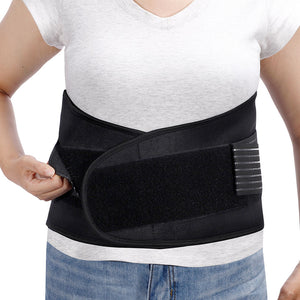
- Stabilizing the Lower Back: Wearing a back brace for pain relief provides gentle compression and structural stability to the midsection during chores or post-travel errands. By reminding the body to maintain proper spinal alignment, a supportive wrap reduces the workload on tired lumbar muscles. Options from Fivali offer breathable designs that fit comfortably under everyday clothing while moving naturally with the torso.
- Supporting Tired Knees and Legs: Long walks through crowded airports or standing in kitchen prep lines can leave lower joints feeling tender. Utilizing knee compression sleeves promotes localized warmth and healthy circulation around the patella and surrounding ligaments, reducing feelings of heaviness while climbing stairs or running errands.
- Applying Soothing Heat Therapy: When muscles feel tight and knotted rather than acutely swollen, warmth encourages deep relaxation. Resting for twenty minutes in the evening with a heating pad for back pain with massage delivers targeted heat alongside gentle vibration, helping ease muscle spasms and signaling the nervous system to unwind before bed.
Restoring Energy Through Nutrition and Hydration
What happens inside the body is just as important as external muscle care. Replenishing lost fluids, balancing nutrition, and resetting rest patterns rapidly accelerate post-holiday recovery:
- Rehydrating with Electrolytes: Travel and dry indoor heating often cause mild dehydration, which directly contributes to muscle cramping and brain fog. Drinking plenty of plain water throughout the day—or adding a pinch of sea salt and fresh lemon—helps restore key electrolytes like potassium and magnesium that muscles need to function smoothly.
- Choosing Anti-Inflammatory Recovery Meals: Shifting toward light, nutrient-dense meals gives the digestive system a much-needed break. Incorporating lean proteins, leafy greens, berries, and omega-3-rich foods such as salmon or walnuts provides the amino acids and antioxidants required to repair everyday muscle wear and tear.
- Reclaiming a Consistent Sleep Schedule: Returning to a regular bedtime and wake-up time recalibrates the body's internal clock. Keeping the bedroom cool, dark, and quiet promotes deeper restorative sleep stages, which is when the majority of physical tissue repair naturally occurs.
Planning Ahead for a Stress-Free Holiday Season
Proactive planning makes future gatherings far easier on the body, turning potentially exhausting weekends into balanced, enjoyable experiences for both hosts and guests.
Pacing Holiday Activities
When deciding what to do on Thanksgiving, alternating active traditions with restful breaks keeps physical strain manageable. Following a morning family walk or turkey trot with an afternoon of board games or watching movies allows muscles time to recover between activities. Dividing kitchen prep tasks among family members also prevents any single person from bearing the brunt of prolonged standing and repetitive lifting.
Choosing Thoughtful Wellness Presents
Selecting practical items for loved ones is a wonderful way to promote everyday comfort throughout the winter months. Great thanksgiving gift ideas include ergonomic travel pillows, insulated water bottles, or a back brace for pain relief for family members who spend long hours gardening or working at a desk. Pairing knee compression sleeves with a soothing herbal tea set also makes a thoughtful care package for active relatives. When brainstorming what to do on Thanksgiving weekend for out-of-town guests, setting up a relaxing recovery station with blankets, hydration options, and a heating pad for back pain with massage adds a welcoming touch of comfort, ensuring these thanksgiving gift ideas provide lasting physical relief long after the holiday decorations are packed away.
When Fatigue Might Be Something More
While everyday tiredness following a busy holiday weekend is completely normal and typically resolves within a few days by following the recovery habits outlined above, persistent lethargy should never be overlooked. If exhaustion lasts for more than two weeks, or if it is accompanied by unexplained body pain, a persistent fever, or sudden weight changes, it is essential to seek prompt medical evaluation. Recognizing when normal post-holiday fatigue crosses into lingering warning signs ensures timely professional care and peace of mind.

Frequently Asked Questions
Is it normal to feel tired after Thanksgiving?
Yes, feeling physically tired and mildly sore after the holiday is very common. Changes in daily routines, extra hours spent standing or traveling, rich meals, and altered sleep schedules temporarily tax the body's energy reserves and muscular system.
How long does post-holiday fatigue last?
For most healthy individuals, everyday post-holiday fatigue lasts between two and four days. Returning to normal sleep patterns, drinking plenty of water, and engaging in gentle movement usually restore full energy levels within a few days.
What helps leg fatigue after a long drive?
Elevating the legs above heart level for fifteen to twenty minutes helps drain pooled fluid from the lower extremities. Light calf stretches, a short walk around the neighborhood, adequate hydration, and wearing knee compression sleeves can also quickly relieve heaviness in the legs.
Is heat or ice better for muscle soreness?
Heat is generally better for general muscle stiffness, tension, and everyday aches because it increases blood flow and relaxes tight fibers. Ice is typically preferred during the first twenty-four to forty-eight hours if there is visible swelling, sharp pain, or a suspected acute joint strain.
Stepping Into the Winter Season Refreshed
Recovering from a busy holiday weekend is all about listening to physical cues and giving the body simple, consistent care. By combining light daily stretching, nourishing hydration, restful sleep, and supportive tools like a back brace for pain relief, everyday stiffness fades quickly. Even a few days of mindful rest and gentle mobility can make a noticeable difference in how energized and comfortable the body feels. Taking these small, intentional steps toward physical recovery ensures that energy stays high and the body remains ready for the rest of the festive season.
Medical Disclaimer: The information provided in this article is for educational and informational purposes only and is not intended as medical advice. If fatigue persists for more than two weeks despite adequate rest, or if exhaustion is accompanied by unexplained pain, persistent fever, or sudden weight changes, please seek prompt evaluation from a qualified healthcare professional.
-
Posted in
Healthy Lifestyle, Recovery