How to know which back brace to buy?

As Memorial Day approaches and we gear up for the unofficial kickoff to summer, our calendars quickly fill up with backyard barbecues, heavy yard work, and long family road trips. But nothing derails those sunny weekend plans quite like an unexpected tweak in your lower back. If you are tired of guessing which support system will actually help you survive planting the spring garden or sitting through a long drive, you are not alone.
Choosing the right back support can feel overwhelming. With hundreds of options available, many people end up frustrated with a product that pinches, rolls down, or simply doesn't address their specific pain. This guide walks you through a clear, step-by-step decision checklist that maps your unique symptoms and lifestyle activities to the exact features you need—empowering you to choose with confidence.

The Core Concept: What a Back Brace Actually Does (And Doesn't Do)
Before spending a dime, it is vital to understand the foundational purpose of back supports. They are not magic cures, but rather highly effective tools designed to do three things:
- Provide Proprioceptive Awareness: They act as a physical reminder to maintain proper posture and avoid overextending.
- Unload Spinal Pressure: By compressing the abdomen, they help redistribute weight away from the spinal discs.
- Limit Micro-Motions: They restrict the small, painful twisting movements that aggravate injured tissues.
The Step-by-Step Decision Checklist
Forget the guesswork. Use this checklist to map your symptoms directly to the features you need.
Step 1: Understand Your Pain (Posture vs. Lumbar Stabilization)
The biggest mistake beginners make is buying the wrong category of brace for their specific pain point.
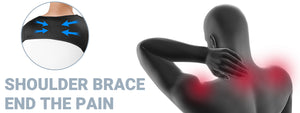
- If you experience upper/mid-back aching and a tendency to slouch: You likely need posture support. These braces feature straps that gently pull the shoulders back, aligning the thoracic spine and training your muscles to hold a healthier position over time.
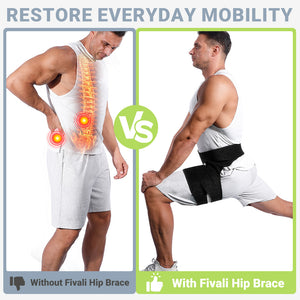
- If you experience lower back aching, especially when bending or lifting: You need lumbar support. These garments wrap tightly around the waist and lower spine to compress the abdomen and stabilize the lower vertebrae.
Step 2: Assess Your Activity Level & Wear Time
Your daily routine dictates the material and design of your ideal brace.
- For short-term, heavy-duty activity (e.g., Memorial Day landscaping, moving furniture): Look for semi-rigid or rigid braces with dual-pulley systems. You want maximum intra-abdominal compression for brief periods.
- For all-day wear (e.g., sitting at a desk, long road trips): Prioritize flexible, highly breathable mesh materials. If you are wondering how long should you wear a back brace during the day, experts generally suggest limiting continuous wear to a few hours during pain flare-ups or specific strenuous activities to prevent over-reliance, though breathable fabrics make those hours much more comfortable.

Rigidity vs. Flexibility: The "Motion-Friendly" Self-Test
How do you know if you need a flexible elastic band or a firm, rigid belt with metal stays? Try this simple self-test at home:
- Stand up straight. Gently twist your torso to the left, then to the right.
- Next, attempt to slowly reach down toward your toes (only go as far as is comfortable).
The Results:
- If the twisting motion caused sharp pain: You likely need firmer stabilization (a semi-rigid or rigid brace) to physically block those rotational micro-motions while you heal.
- If you felt stiff but mostly experienced a dull ache when bending forward: A motion-friendly, flexible brace will provide the abdominal compression and warmth you need without restricting your natural movement during a golf swing or a walk in the park.
Finding the Perfect Fit: Sizing, Materials, and Closures
Even the most technologically advanced brace is useless if it doesn't fit properly. Many people ask, how do i pick the right size back support belt? The golden rule of brace sizing is to never use your pant size.
To measure accurately, use a flexible tape measure and wrap it around your waist directly over your belly button. This measurement accounts for your actual abdominal circumference, ensuring the brace sits correctly over your lumbar spine.
When evaluating options, pay close attention to the closure system. Standard Velcro single-pull straps are fine for basic support, but double-pull or pulley closure systems offer a mechanical advantage. They allow you to easily adjust how tight should a back brace be without needing immense hand strength, giving you a customized, snug fit every time.
Red Flags: When to Skip the Brace and See a Doctor
While a high-quality brace is excellent for strains, sprains, and postural fatigue, certain symptoms demand immediate clinical review by a healthcare professional. Do not rely on self-treatment if you experience:
- Numbness, tingling, or weakness radiating down your legs
- Sudden changes in bowel or bladder control
- Severe pain that disrupts your sleep or follows a traumatic injury (like a car accident or a severe fall)
Myth vs. Reality: Stop Falling for These Brace Mistakes
There is a lot of misinformation out there. Let’s clear up the two most common misconceptions that trap beginners.
Myth 1: "More compression is always better."
Reality: Overtightening your brace can actually restrict breathing, impair digestion, and alter your natural blood pressure. A brace should feel like a firm, supportive hug—not a corset.
Myth 2: "A back brace will weaken my core muscles."
Reality: When used correctly (during flare-ups or specific heavy-lifting activities), modern research shows that braces do not inherently cause muscle atrophy. The problem arises when users wear them 24/7 without engaging in rehabilitative core strengthening.

Frequently Asked Questions (FAQ)
How do i pick the right size back support belt?
Always measure around your belly button, not your hips or pant waistline. Refer to the specific manufacturer's sizing chart, as a "Large" in one brand might be a "Medium" in another. If you fall right on the border between two sizes, it is generally recommended to size up for comfort, provided the brace has an adjustable dual-pulley system.
Do back straighteners work for long-term posture correction?
Yes, but they act as a training tool, not a permanent crutch. They provide the proprioceptive feedback necessary to remind your brain to pull your shoulders back. Over time, this helps retrain muscle memory so you can eventually maintain good posture without the device.
Can I wear my brace over my clothes?
Absolutely. In fact, wearing a thin, breathable layer (like a cotton t-shirt) underneath your brace is highly recommended to prevent skin chafing and keep the brace clean from sweat, especially during warmer summer months.
Next Steps: Preparing for Your Perfect Multi-Activity Brace
Now that you understand the mechanics of lumbar stabilization versus posture support, the necessity of accurate measuring, and your own personal need for rigidity or flexibility, you are no longer a beginner making a shot in the dark.
Your next step is to evaluate gear that seamlessly transitions with your lifestyle—products that can handle both the heavy lifting of a weekend project and the necessary support for a long afternoon at the desk. Ready to see these principles in action? Explore our comprehensive collection of multi-activity back braces to find the exact combination of comfort, breathability, and targeted support your body is asking for.