How to pick the right back brace?

With Memorial Day just around the corner, marking the unofficial kickoff to summer, many of us are diving headfirst into seasonal activities. Whether it is hauling the heavy barbecue grill out of the garage, prepping the garden beds for summer blooms, or loading up the car for a long holiday road trip, our bodies—especially our backs—suddenly face a massive surge in physical demands.
If you have been feeling that familiar lower back ache and started searching for a solution, you have likely hit a wall of overwhelming options. Rows of straps, belts, and rigid panels can leave anyone confused.
You aren't just buying a piece of fabric; you are looking for a tool to reclaim your active lifestyle. To do that, you need to match the specific features of a back brace to your unique daily tasks and symptoms. Let’s break down the core decision factors so you can find exactly what you need.

The Core Decision Factors: Mapping Your Needs
Selecting the right brace is like following a personal decision tree. Your first two branches are determining where you need support and how much support you require.
Target Zone: Where is the Problem?
Not all back pain is created equal, and where your brace sits changes its function entirely.
- The Lumbar Belt: Most people experiencing tension from heavy lifting or prolonged sitting need targeted lumbar support. These sit low on the waist, compressing the lower spine to relieve pressure on the discs and muscles.
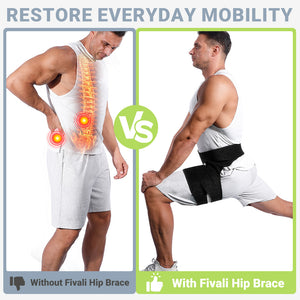
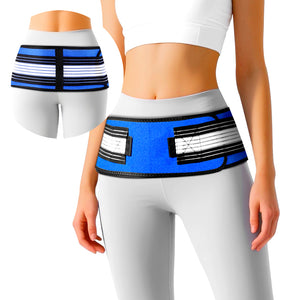
- The Sacroiliac (SI) Belt: Sitting even lower than a lumbar belt, this hugs the hips to stabilize the pelvis. It is ideal if your pain radiates from the very base of your spine into your glutes.
- Full Back/Posture Braces: These encompass the lower back but feature straps that loop over the shoulders. They are designed to pull the shoulders back and align the thoracic (upper) spine.
Support Level: Flexible vs. Rigid
- Flexible (Soft) Braces: Made from elastic, neoprene, or breathable mesh. They provide gentle compression, retain muscle warmth, and serve as a physical reminder to maintain good posture.
- Semi-Rigid to Rigid Braces: If you are dealing with a specific injury or need to completely immobilize a part of your spine, a rigid back brace is usually the answer. These feature hard plastic panels or metal stays that severely restrict bending and twisting.
Matching Activity Demands to Brace Features
Your daily routine dictates the features you should prioritize.
For Heavy Lifting and Yard Work: If your Memorial Day weekend involves moving heavy patio furniture or laying mulch, you need stability over mobility. Look for a semi-rigid lumbar brace with adjustable dual-tension straps. The ability to quickly tighten the brace right before a heavy lift, and loosen it immediately after, is crucial for safety and comfort.
For Dynamic Sports: Golfers, tennis players, and runners need a brace that protects the spine without locking their torso in place. A flexible, low-profile brace made of highly breathable materials allows for the necessary range of motion while providing proprioceptive feedback (a gentle squeeze that reminds your body to engage its core).
For Sedentary Posture Support: If your primary trigger is slouching at a desk or enduring a long holiday car ride, you might find yourself wondering, do back straighteners work? A lighter, flexible posture brace can be highly effective. It gently encourages spinal alignment without aggressive restriction, making it comfortable for longer stretches of sitting.
Sizing and Fitting: Getting It Right
A back brace only works if it fits properly. A brace that is too small will dig into your skin and restrict breathing, while one that is too large will slide around and offer zero benefits.

Understanding how to measure for a back brace is incredibly straightforward but often done wrong. Do not use your pant size. Instead, use a flexible measuring tape to measure the circumference of your belly button. This accounts for the natural curve of your abdomen where the brace will actually sit.
Interestingly, if you've ever found yourself asking how do i choose the right size arm brace? or knee sleeve for a sports injury, the golden rule remains identical here: always measure the specific joint or body part at its widest point, rather than relying on standard clothing sizes.
Materials and the Stability vs. Mobility Trade-Off
As the summer months approach, material choice becomes a make-or-break factor. You are navigating a constant trade-off between how stable the brace keeps you and how much you can move (and sweat).

- Neoprene: Excellent for heat retention, which is great for soothing stiff muscles in the morning. However, it can become overly warm during a humid afternoon hike.
- Elastic Mesh: Prioritizes breathability and mobility. It won’t give you the rigid support needed for powerlifting, but it is perfect for a round of golf or a casual bike ride.
- Molded Plastics: Offer maximum stability but zero breathability and total movement restriction. These are generally reserved for acute injury recovery.
Debunking Myths and Spotting Red Flags
The Muscle Atrophy Myth
One of the most pervasive myths in the fitness world is that wearing a back brace will cause your core muscles to weaken and atrophy. Science shows this is fundamentally untrue when a brace is used correctly.
A brace is a tool, not a permanent replacement for your muscles. When used during strenuous activities, it protects your spine. When combined with a healthy routine of core-strengthening exercises, a brace actually facilitates more movement by reducing pain, allowing you to stay active rather than being bedridden. The key is progressive weaning: as your back gets stronger, you gradually reduce the hours you spend wearing the brace.
Red Flags: When to Consult a Professional
While braces are phenomenal tools for everyday strains, some symptoms require immediate professional assessment:
- Pain that shoots down your legs past your knees.
- Numbness or tingling in your groin or extremities.
- Loss of bowel or bladder control.
- Pain that worsens at night or is accompanied by a fever.
If you experience any of these, bypass the brace aisle and head straight to a healthcare provider.
Frequently Asked Questions (FAQ)
How tight should my back brace be?
It should feel like a firm, supportive hug. You should be able to slide two fingers between the brace and your skin. If it alters your breathing pattern or causes your skin to bulge painfully, it is too tight.
Can I wear it against my bare skin?
While you can, it is highly recommended to wear a thin, moisture-wicking undershirt beneath your brace. This prevents chafing, keeps the brace clean, and drastically improves comfort during the summer heat.
How do I know if a specific brace actually works?
Beyond matching the features to your needs, checking real-world feedback is incredibly helpful. Looking through fivali back brace reviews can give you excellent insights into how specific models hold up to daily wear and tear, and how they fit different body types.
Next Steps: Evaluating Work vs. Sports Braces
Now that you understand the anatomy of a great back brace, the next logical step is to look at your environment. Are you looking for a brace to get you through an 8-hour shift in a warehouse, or are you trying to protect your spine during weekend sports?
Work-specific braces prioritize durability, heavy-duty tension mechanisms, and anti-slip designs. Sports-specific braces prioritize lightweight materials, moisture-wicking technology, and dynamic flexibility.
By mapping your daily tasks to the features we've discussed today, you can confidently explore back brace support solutions that will keep you moving comfortably—not just through the upcoming holiday weekend, but all year long.