Understanding Compression and Its Effect on Support and Comfort
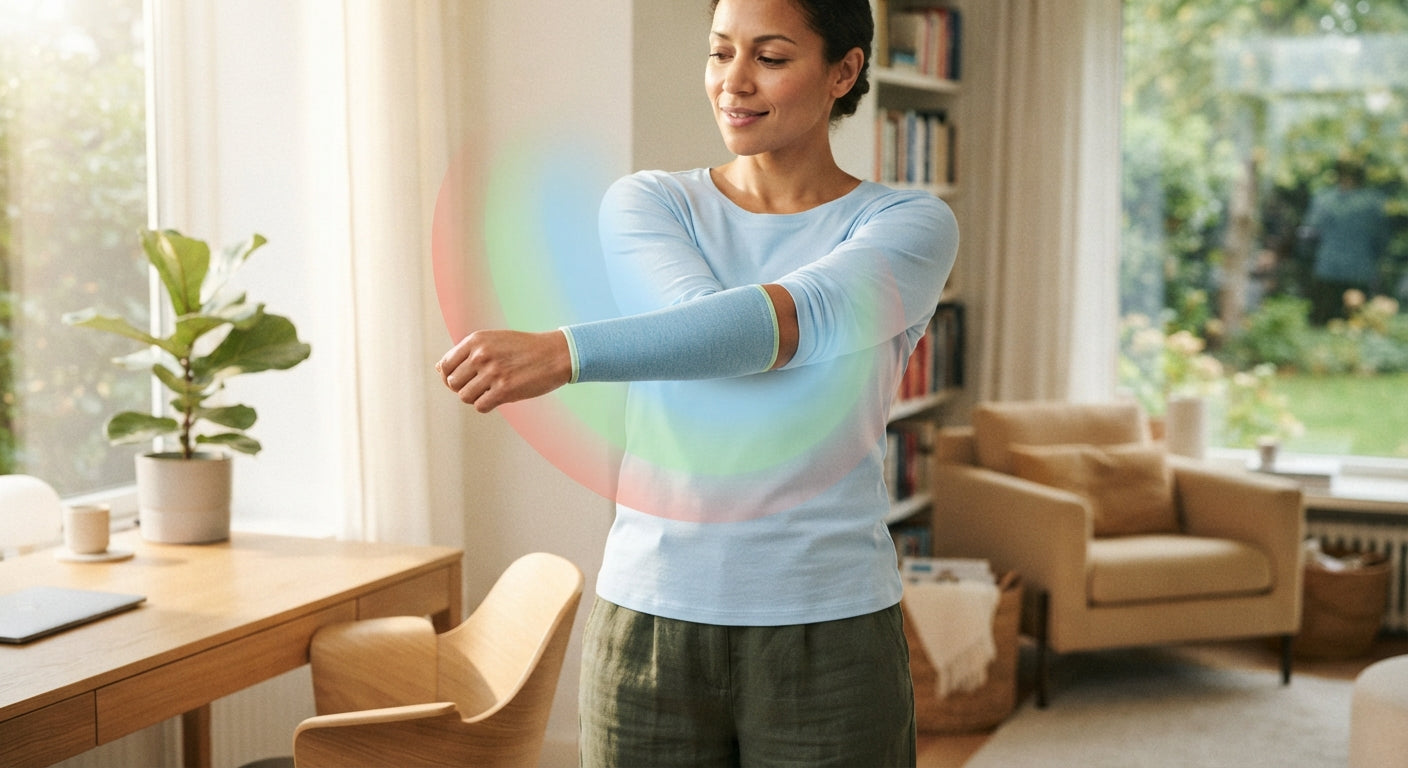
Imagine you’ve just wrapped up a long holiday weekend of travel, or perhaps you've been on your feet for an eight-hour shift. Your legs feel like they’re made of lead, and your joints are quietly throbbing. You've probably heard someone suggest, "You should try compression!" But when you start looking into it, you're immediately hit with a wall of confusing numbers like "15-20 mmHg" and clinical jargon that makes you feel like you need an advanced degree just to buy a simple support sleeve.
Compression isn't just for elite athletes—it's an incredible daily tool for comfort, support, and vitality. But choosing the right level is crucial. Too loose, and you're just wearing tight clothing; too tight, and you might cause more discomfort than relief. Let's break down exactly how different compression levels impact your body, helping you make sense of it all before you invest in your next brace or sleeve.
The Core Concepts: Demystifying "mmHg" and the Big 4 Benefits
When you shop for compression gear, you'll constantly see the letters "mmHg," which stands for millimeters of mercury. This is simply a measurement of pressure. Think of it like the air pressure in your car's tires—you need a specific, balanced amount to get the smoothest, safest ride.
Most high-quality garments utilize something called graduated compression. This means the pressure is tightest at the furthest extremity (like your ankle or wrist) and gradually loosens as it moves up your limb. This brilliant design acts like a gentle, continuous massage, encouraging fluid and blood to travel upward against gravity rather than pooling at your lowest points.
When applied correctly, this targeted pressure impacts the "Big 4" elements of physical comfort:
- Circulation: It acts as an external engine, assisting your veins in efficiently pumping blood back toward your core.
- Swelling Control: By applying hydrostatic pressure, it prevents excess fluids from seeping into surrounding tissues, which is often what causes that puffy, heavy feeling after a long day.
- Joint Stability: It tightly hugs the joint, increasing proprioception (your brain's subconscious awareness of your body in space). This subtle awareness significantly reduces joint sway and the micro-wobbles that lead to strain.
- Fatigue Reduction: Better oxygen flow combined with less muscle vibration means your legs and arms simply don't tire out as quickly.

The Compression Spectrum: Finding Your Sweet Spot
Understanding the numbers is your secret weapon in finding relief. Let's look at the three most common levels of compression and what they actually do beneath the surface of your skin.
Mild Compression (8-15 mmHg): The "Everyday Energizer"
Mild compression is your introductory level. It provides a gentle, soothing squeeze—just enough to keep things moving.
- The Physical Impact: It offers a subtle boost to superficial circulation. Think of it as a helpful nudge for your veins rather than a heavy lift.
- Best For: Daily wear, desk jobs where you sit for long hours, or taking the edge off mild leg fatigue. If you're doing light yard work or walking around an outdoor summer festival, this level keeps your limbs feeling light and energetic without feeling restrictive.
Moderate Compression (15-20 mmHg): The "Active Stabilizer"
This is the sweet spot for most active individuals and professionals who spend hours on their feet. It’s noticeably snug but still remarkably comfortable for all-day wear.
- The Physical Impact: At 15-20 mmHg, you get tangible, physical joint support. The garment actively reduces the shock wave of muscle vibration when your foot strikes the ground. It also significantly improves venous return, preventing fluid buildup. If you are dealing with ankle injury swelling, this level provides the firm, necessary boundary your tissues need to gently push fluid out of the inflamed area.
- Best For: Nurses, teachers, gym enthusiasts, and frequent travelers. It provides the reliable stability you need for a long hike or a grueling shift.
Firm Compression (20-30 mmHg): The "Therapeutic Hug"
Firm compression steps into the realm of therapeutic support. It’s distinctly tight, usually requires a bit of purposeful effort to put on, and offers profound stability.
- The Physical Impact: This level delivers deep hydrostatic pressure, aggressively managing moderate to severe swelling and significantly altering blood flow dynamics. It dramatically reduces joint sway, which is why people recovering from joint issues often lean toward this level when selecting knee compression sleeves.
- Best For: Post-surgical recovery, managing pronounced varicose veins, or dealing with significant fluid retention. Note: If you're looking at this level or higher (like 30-40 mmHg), it is highly recommended to have a quick chat with your healthcare provider first to ensure it's right for your specific needs.

Mastering Comfort: Fit, Fabric, and All-Day Wear
You could buy the most perfectly calibrated 15-20 mmHg sleeve in the world, but if it doesn't fit right, or if the material traps heat like a sauna, you simply won't wear it.
Fit is absolutely paramount. A sleeve that is too loose offers zero physical benefits, while one that is too tight can actually restrict blood flow, defeating the purpose entirely. Many beginners often wonder how tight should compression sleeves be to be effective? They should feel like a firm, supportive handshake—snug and secure, but never painful, pinching, or causing your toes or fingers to tingle.
Additionally, pay close attention to the materials. Look for moisture-wicking fabrics and specialized knitting techniques that allow your skin to breathe. For example, if you need torso support, choosing a breathable back brace ensures that the therapeutic pressure doesn't come at the cost of uncomfortable sweating during your afternoon activities.
Quick Checklist for the Perfect Fit:
- Measure in the morning: Your limbs are least swollen when you first wake up, giving you the most accurate, baseline measurement for sizing charts.
- Check for bunching: If the fabric wrinkles or bunches up behind your knee or elbow, it can act like a tourniquet. The fabric should lay perfectly flat against your skin.
- The "Two-Hour Test": Wear your new gear around the house for two hours. If you feel throbbing, numbness, or find deep red rings on your skin when you take it off, you likely need to size up.
Frequently Asked Questions for Beginners
Is it okay to wear compression garments all day?
Yes, for mild to moderate levels (up to 20 mmHg), wearing them throughout your active day is perfectly fine and highly beneficial. However, unless specifically directed by a healthcare professional, you should take them off before going to sleep to give your skin and circulatory system a rest.
Does higher compression mean better support?
Not necessarily! This is one of the most common myths. Higher compression (like 30-40 mmHg) is designed for specific, severe medical issues, not everyday comfort. For general joint support and fatigue reduction, moderate compression (15-20 mmHg) is usually the most effective, comfortable, and sustainable choice.
How do I know if I need a sleeve or a full brace?
Sleeves provide generalized compression and warmth, which is excellent for swelling, circulation, and mild fatigue. A brace typically incorporates additional hardware (like adjustable straps, hinges, or rigid stays) to physically restrict the movement of a joint after a specific injury. If you just want everyday stability and less achiness, starting with a high-quality compression sleeve is your best bet.
Start Your Journey to Pain-Free Movement
Understanding the "why" and "how" behind compression levels completely shifts how you approach joint support and recovery. Instead of guessing what might work, you now know that managing an achy joint or surviving a tiring day on your feet comes down to finding the precise balance of physical pressure. Listen to your body, start with mild or moderate support, and prioritize a comfortable, breathable fit. When you do, you'll unlock a new level of vitality that keeps you moving freely, no matter where life takes you.