When to Use Hip Support or Rehab for Hip Pain

With the warm weather settling in and summer holiday weekends fast approaching—a time filled with family barbecues, beach trips, and long outdoor hikes—there is nothing quite as frustrating as being sidelined by an unexpected ache in your hip.
When hip pain strikes, the initial confusion can be overwhelming. Should you rest it? Should you wrap it? Should you immediately start doing stretches you found online, or is it time to head straight to the doctor?
Understanding how to navigate the early stages of hip pain is crucial. In this guide, we are going to demystify your options, helping you understand exactly when to use external support for temporary relief, when to commit to a long-term rehabilitation plan, and most importantly, how to recognize the warning signs that mean you need a professional medical evaluation right away.

Step 1: Stop and Assess (The "Red Flags" of Hip Pain)
Before we discuss stretching, strengthening, or support, we have to talk about safety. Sometimes, a hip ache is not just a mild annoyance from overdoing it on a holiday weekend hike—it is a signal of something more serious.
If you find yourself asking what is a red flag for hip pain?, medical professionals generally agree on several critical symptoms that require immediate evaluation rather than self-care:
- Inability to Bear Weight: If you cannot put any weight on your leg without severe pain, or if your leg feels like it will immediately give out.
- Sudden, Intense Pain After a Fall or Impact: This is especially critical if accompanied by a visible deformity or swelling.
- Fever, Chills, or Redness: If your hip pain is paired with a fever, or the area feels hot to the touch, this could indicate an infection.
- Numbness or Tingling: If you feel a "pins and needles" sensation radiating down your leg, it could point to nerve involvement.
- Night Pain: Pain that consistently wakes you up from a deep sleep, regardless of your sleeping position.
If you experience any of these, skip the self-treatment and consult a healthcare professional immediately. If you don't have these red flags, you are likely dealing with a more common, manageable issue where external support or rehabilitation can play a major role.
Step 2: Short-Term Relief with External Hip Support
Once you have ruled out a medical emergency, your next goal is often simply getting through the day with less discomfort. This is where external hip support shines.
What Does a Hip Brace Actually Do?
A common misconception is that a brace "fixes" an injury. In reality, a well-designed brace serves a few highly specific, short-term purposes:
- Proprioceptive Feedback: This is a fancy term for "body awareness." Gentle compression around the hip joint stimulates sensors in your skin and underlying tissues. This constant, subtle pressure reminds your brain to protect the joint, helping you naturally avoid movements that might cause further irritation.
- Activity Modification: If you are recovering from a minor hip flexor strain, a brace can provide the gentle stability needed to modify your daily activities without extreme pain.
- Confidence: After a minor tweak, it is normal to feel hesitant about moving. Support garments can offer the psychological confidence needed to maintain a normal walking gait, preventing secondary pains that often come from limping.
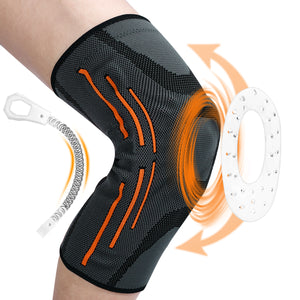
Whether you are looking for general compression or exploring a hip brace for hypermobility, the goal is the same: temporary symptom management and protected movement. Finding the right hip braces can be an excellent first step in your recovery journey, provided you use them as a bridge, not a permanent crutch.

Step 3: The Long-Term Fix (Active Rehabilitation)
While external support provides the band-aid, active rehabilitation provides the cure.
Rehabilitation (or physical therapy) is a structured approach to restoring your hip's full function. Unlike a brace, which passively supports you, rehab requires your active participation to fix the root cause of the pain—which is very often muscular imbalance, weakness, or poor flexibility.
The Goals of Hip Rehab
- Strengthening: Your hip joint is a ball-and-socket mechanism kept stable by a complex web of muscles. By targeting and strengthening your hip stabilizer muscles, you take the daily load off the joint itself and place it on the muscles where it belongs.
- Restoring Range of Motion: Stiffness often follows pain. Gradual, targeted stretching helps return your hip to its natural, fluid movement.
- Preventing Recurrence: A robust rehab program doesn't just heal the current issue; it builds a physical resilience that makes future injuries less likely.
Rehab is non-negotiable for lasting relief. If you rely solely on external support for months on end without challenging the muscles, you risk "deconditioning"—meaning your muscles weaken because the brace is doing all the work for them.
Making Your Decision: A Collaborative Approach
The biggest "aha moment" for most people dealing with joint pain is realizing that it's rarely a choice between just bracing or just doing rehab. In a healthy recovery timeline, the two are deeply connected.
Here is how a successful recovery timeline usually looks:
- Phase 1 (Days 1-7): The Calm Down Phase. You experience a minor strain. You rule out red flags. You use rest, ice, and an external hip support during the day to minimize pain and allow the initial inflammation to settle.
- Phase 2 (Weeks 2-4): The Transition Phase. The sharp pain has dulled. You begin gentle rehabilitation exercises at home or with a physical therapist. You might still wear your support during more strenuous activities (like long walks or prolonged standing) but take it off while resting and during your rehab exercises.
- Phase 3 (Weeks 4+): The Independence Phase. Your muscles have grown stronger. You are consistently doing your rehab exercises. You no longer need the brace for daily activities, keeping it in your closet only for exceptionally heavy activity days or specific sports.
Frequently Asked Questions (FAQ)
How many hours a day should I wear a hip support?
For minor tweaks, wear it during activities that typically cause you discomfort, such as walking, working on your feet, or exercising. You should generally avoid wearing it while sleeping unless specifically instructed by a doctor, as your muscles need time to breathe and function without restriction.
Can I start doing hip exercises while it still hurts?
There is a big difference between "muscle work" pain and "joint injury" pain. Gentle movement is usually encouraged early on, but you should never push through sharp, stabbing pains. If an exercise makes your original symptoms worse, stop and consult a professional.
If my pain goes away with a brace, do I still need rehab?
Yes! If a brace relieves your pain, it means the joint needed extra stability. Once you take the brace off, that lack of stability will return unless you build up your internal stability (your muscles) through rehabilitation.
Next Steps for Your Hip Health
Whether you are trying to get back to your summer hiking trails or just want to walk around the block pain-free, understanding your body's signals is the first step.
Remember: Check for red flags first. Use external support wisely to control short-term discomfort and regain your confidence. Finally, commit to a sensible rehabilitation routine to build long-term strength. By making informed decisions about your joint health today, you are paving the way for an active, vibrant, and pain-free tomorrow.