


Inner Elbow Pain? 5 Early Warning Signs of Golfer's Elbow (and How to Stop It)

Ever finish a long day of gardening or carrying in groceries and feel a nagging, unfamiliar ache on the inside of your elbow? Maybe it’s a faint twinge you notice when you lift your morning coffee cup or a surprising tenderness when you lean on your desk. It’s easy to dismiss these little signals as simple muscle soreness. But what if your body is sending you an early warning?
This inner elbow pain, known as golfer's elbow (or medial epicondylitis), is far more common than its name suggests. In fact, research shows that over 90% of people who experience it are not golfers at all. It’s a condition caused by repetitive strain, affecting anyone from office workers and painters to new parents lifting their children. Understanding the first subtle symptoms is the key to stopping a minor annoyance from becoming a chronic, activity-limiting problem. Recognizing the early symptoms of a repetitive strain injury can empower you to take simple, effective steps right away.
Your Body's Early Warning System: Recognizing the First Symptoms
Golfer’s elbow doesn’t usually appear overnight with a single dramatic event. It creeps in slowly. Your first task is to become a detective of your own body, learning to recognize these early clues.
- Pain and Tenderness on the Inner Elbow: This is the hallmark sign. At first, it might just be a dull ache after a specific activity. You might notice that the bony bump on the inside of your elbow (the medial epicondyle) is tender to the touch. As it progresses, the pain can become sharper and more persistent.
- Morning Stiffness: Do you wake up with a stiff elbow or forearm that takes a little while to loosen up? This is a classic early symptom, as the tendons tighten overnight.
- Weakness in Your Hand or Wrist: You might suddenly find it harder to open a jar, turn a doorknob, or securely grip a heavy pan. This subtle weakness is a direct result of the strain on the tendons that control your hand and wrist movements.
- Pain with Specific Movements: Pay close attention to when the ache appears. The most common triggers involve flexing your wrist downward or gripping something tightly. Making a fist, shaking hands, or swinging a racket can all cause a flare-up.
- Numbness or Tingling: Occasionally, the inflammation and swelling can irritate the nearby ulnar nerve, causing a tingling or numb sensation that radiates into your ring and little fingers. While less common in early stages, it’s an important sign not to ignore.
Is It Just Soreness or a Real Injury?
This is the question that stops most people from taking early action. We’re all used to muscle soreness after a tough workout or a day of manual labor. Here’s how to tell the difference:
- Muscle Soreness (DOMS): Usually feels like a widespread ache across a muscle belly, peaks 24-48 hours after an activity, and then gradually disappears.
- Tendon Pain (Golfer's Elbow): Tends to be a more localized, sharp, or burning pain right near the bony point of the elbow. It often persists or even worsens with continued activity and doesn't fade away within a couple of days.
Think of it as the "48-Hour Rule." If the pain is still there or feels the same two days after the activity that caused it, your body is signaling something more than simple fatigue.
The Sneaky Culprits: How Everyday Activities Trigger Golfer's Elbow
Golfer's elbow is a classic repetitive strain injury. It’s caused by the accumulation of tiny "micro-tears" in the tendons that connect your forearm muscles to your inner elbow. Think of it like a rope fraying one thread at a time. It’s not one single action but repeated stress that leads to the problem.
Here are some of the most common activity patterns that contribute to it:
- In Sports: Beyond an improper golf swing, common triggers include throwing sports (baseball, football), racket sports (a heavy topspin forehand in tennis), and weightlifting, especially during exercises like bicep curls or pull-ups, where the grip is intense.
- At Work: Occupations that require forceful, repetitive hand and wrist movements are high-risk. This includes carpenters, plumbers, assembly-line workers, and even chefs. Hours spent typing with poor wrist posture can also contribute.
- In Daily Life: You don’t need a specific job or sport to be at risk. Repetitive motions like gardening, knitting, using hand tools, or repeatedly lifting and carrying heavy objects (like a child or luggage) can overload the tendons. It often explains why your elbow hurts when you grip something as simple as a bag of groceries.

The Big Misconception: Inflammation vs. Tendon Wear-and-Tear
For years, experts used the term medial epicondylitis—the "-itis" suffix meaning inflammation. However, modern research from sources like the Cleveland Clinic shows that in chronic cases, there's very little actual inflammation.
The issue is more accurately described as "tendinopathy" or "tendinosis." This refers to a degeneration or breakdown of the tendon's collagen fibers due to overuse—that "fraying rope" we talked about. This is a crucial "aha moment" because it changes the focus from simply reducing inflammation to protecting the tendon and allowing it to heal and remodel.
A Quick Self-Check: Can You Test for Golfer's Elbow at Home?
While this simple test is not a substitute for a professional diagnosis, it can help you confirm your suspicions.
The Golfer's Elbow Test:
- Sit in a chair and extend your affected arm straight out in front of you, palm facing up.
- With your other hand, gently press down on the palm of the outstretched hand, pushing it toward the floor to stretch the forearm muscles.
- Now, try to resist that pressure by flexing your wrist upward.
If this action reproduces that familiar sharp pain on the inside of your elbow, it’s a strong indicator that the flexor tendons are aggravated.
What to Do Right Now: Your First Steps for Relief
Recognizing the signs early means you can take immediate action to prevent the problem from escalating. The goal is to reduce the strain on the tendon and give it a chance to heal.
- Activity Modification: This is more effective than complete rest. Identify the activity that triggers your pain and find ways to modify it. Use two hands to lift a heavy pot. Take frequent breaks from typing to stretch your wrists. Use a cart for groceries instead of carrying heavy bags.
- Gentle Stretching: Slowly and gently perform the stretch described in the self-test above, holding it for 20-30 seconds without pushing into sharp pain. This can help maintain flexibility.
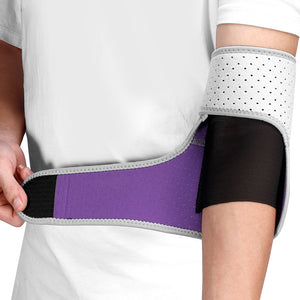
- Support and Bracing: Using a supportive brace can be incredibly effective in the early stages. Special designs like counterforce straps are worn just below the elbow. They work by applying gentle pressure to the forearm muscles, which changes the angle of pull on the tendon and reduces the force transmitted to the painful spot on your elbow. Getting the correct golfers' elbow brace placement is key to its effectiveness. Many people wonder what the best elbow brace for tendonitis, and the answer often depends on understanding what a counterforce brace is and finding a comfortable, supportive option that allows you to remain active with less pain.
Looking Ahead: Preventing a Twinge from Becoming a Chronic Problem
Listening to your body’s earliest whispers of pain is the most powerful tool you have. A small ache in your inner elbow is a signal to pause and investigate, not to push through. By recognizing the symptoms, identifying the triggering activities, and taking simple, supportive measures, you can stop tendon strain in its tracks. Staying active and pain-free is about working with your body, and that journey begins with understanding its language.
Frequently Asked Questions
1. What are the first signs of golfer's elbow?
The earliest signs include a dull, nagging pain or tenderness on the inner side of your elbow, especially after activity. You may also notice mild morning stiffness in the elbow or forearm and a subtle weakness when gripping objects, like turning a doorknob or opening a jar.
2. What does golfer's elbow pain feel like?
Initially, it often feels like a localized, dull ache right on or around the bony bump on the inside of the elbow. As it worsens, the pain can become sharper, more persistent, or feel like a burning sensation, especially when you grip something tightly or flex your wrist.
3. Can you get golfer's elbow without playing golf?
Absolutely. In fact, over 90% of cases are not related to golf. It's a repetitive strain injury caused by any activity that overloads the forearm tendons, such as painting, carpentry, typing with poor posture, weightlifting, or even repeatedly lifting heavy items like children or groceries.
4. How do I know if my elbow pain is serious?
While early-stage golfer's elbow can often be managed at home, you should see a doctor if the pain is severe, doesn't improve after a few weeks of self-care, or significantly weakens your grip. You should also seek medical advice if you experience prominent numbness or tingling that radiates into your ring and little fingers.
5. What is the fastest way to relieve golfer's elbow pain at home?
The fastest way to get relief is to immediately reduce strain on the tendon. This involves three key steps: modifying the activity that causes pain (e.g., using two hands to lift), performing gentle forearm stretches to maintain flexibility, and using a supportive counterforce brace to reduce the load on the injured tendon during activity.








)