Nylon vs Neoprene Plus Size Knee Braces
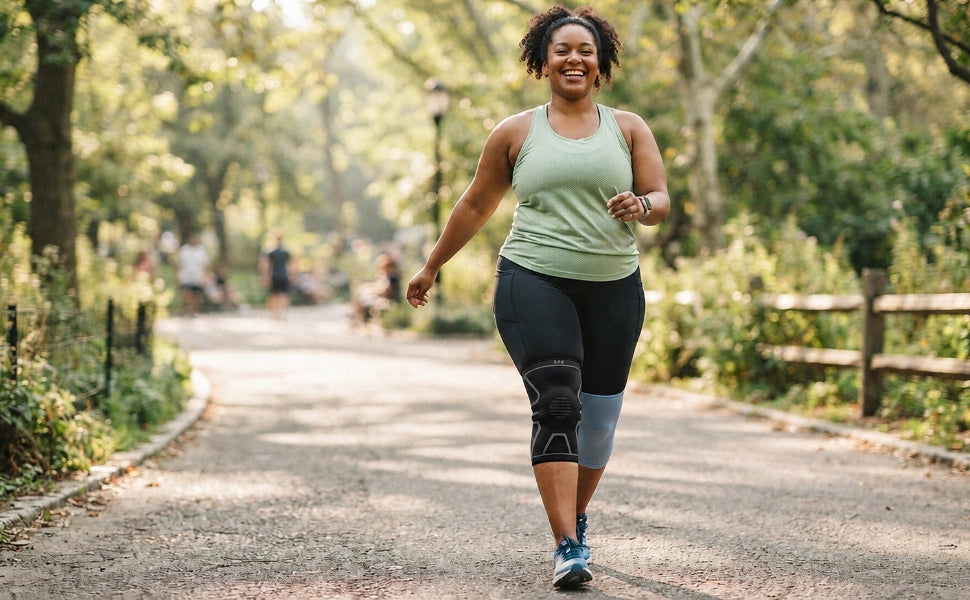
With the weekend rapidly approaching and the warm summer outdoor season kicking off, staying active is top of mind. But if you wear a plus-size knee brace, the prospect of getting outside can bring up a familiar, frustrating set of challenges: excessive sweating, trapped heat, painful skin chafing, and the constant need to pull up a slipping brace.
If you are currently evaluating knee support options, you have likely realized that a one-size-fits-all approach simply does not work for larger legs and thighs. The most critical decision you will make in your buying journey isn't just about size—it’s about material.
Understanding the distinct differences between nylon and neoprene fabrics will directly impact your comfort, your skin health, and your brace's ability to stay put during activity. Let’s break down exactly how these materials perform so you can make a confident, informed decision for your joints and your lifestyle.
Executive Summary: The Material Impact on Plus-Size Support
When choosing a plus-size knee brace, material dictates function. Neoprene offers superior heat retention and heavy-duty compression, making it excellent for therapeutic warmth, though it can trap sweat on larger surface areas. Nylon provides unmatched breathability, moisture-wicking, and lightweight flexibility, perfect for active days, though it requires advanced grip technology to prevent slipping.
By understanding the science behind compression fabric technology—specifically how different materials aid blood flow, manage moisture, and support recovery—you can match the fabric to your specific body type and activity level.
Why Material Choice Makes or Breaks a Plus-Size Knee Brace
For plus-size individuals, the mechanics of a knee brace change significantly. A larger thigh circumference naturally creates a conical shape, which acts like a slide for poorly designed braces. When you factor in the added heat generation from heavier physical exertion and the friction of thighs rubbing together, the wrong material can quickly cause:
- The "Roll-Down" Effect: Smooth materials without grip or sufficient structural integrity will roll down the leg.
- Contact Dermatitis: Trapped sweat against sensitive skin can lead to itching, rashes, and severe irritation.
- Restricted Mobility: Materials that are too bulky behind the knee (the popliteal area) can pinch and restrict your range of motion.
To combat these issues, fivali has engineered specific fabric solutions tailored to the unique biomechanics of plus-size users, ensuring your gear works with your body, not against it.
Deep Dive: Neoprene Plus Size Knee Braces
Neoprene is a synthetic rubber famous for its durability and insulation. In the orthopedic world, it is highly valued for its robust structural support.
The Advantages for Plus-Size Users
Neoprene delivers heavy-duty compression. If you are recovering from an injury or managing arthritis, the targeted therapeutic heat retention of neoprene increases localized blood flow. This warmth soothes aching joints, keeps ligaments pliable, and aids in faster recovery. It also provides a feeling of rigid stability that many users find reassuring when navigating uneven summer terrain.
The Disadvantages to Consider
The exact property that makes neoprene great—insulation—is its biggest drawback for plus-size wearers in warm weather. Standard neoprene does not breathe well. For larger surface areas, this means rapid heat buildup, excessive sweating, and a higher risk of odor and skin irritation.
The Solution: Engineered Neoprene
Instead of using basic, non-porous rubber, high-quality models like the Fivali FKR06 and FKH02 utilize perforated neoprene. This strategic design allows excess heat to escape while maintaining therapeutic warmth. Furthermore, integrating an open-patella (kneecap) and open-popliteal (back of knee) design reduces the bulk that causes pinching, making the brace significantly more comfortable for larger legs.
Deep Dive: Nylon Plus Size Knee Braces
Nylon, often blended with spandex or latex into a knitted fabric, represents the lighter, more agile side of joint support.
The Advantages for Plus-Size Users
If your primary complaints are sweating and skin irritation, nylon is a revelation. It is highly breathable, lightweight, and features excellent moisture-wicking properties. A knitted nylon soft knee brace conforms naturally to the contours of a larger leg without adding bulk under clothing. Because it pulls sweat away from the skin, nylon is widely considered the superior hypoallergenic option for allergy-friendly, sensitive skin.
The Disadvantages to Consider
Because nylon is incredibly smooth and flexible, it inherently offers less rigid mechanical support than neoprene. More importantly for plus-size users, a basic nylon sleeve is highly prone to sliding down a conical thigh during movement.
The Solution: Advanced Grip Technology
To make nylon viable for plus-size users, it must be paired with anti-slip technology. For instance, our plus size compression knee sleeves (like the Fivali FKR01) utilize integrated silicone grip strips along the top hem. This creates a secure, friction-based anchor that prevents the brace from sliding, allowing you to enjoy the breathability of nylon without constantly adjusting your gear.
Direct Comparison: Nylon vs. Neoprene for Plus-Size Needs
Use this framework to evaluate which fabric aligns best with your specific requirements:
| Feature | Knitted Nylon Blends | Perforated Neoprene | The Fivali Design Advantage |
|---|---|---|---|
| Breathability | Superior (Moisture-wicking) | Moderate (Relies on perforations) | Incorporates targeted mesh zones for maximum airflow. |
| Support Level | Light to Moderate (Compression) | Moderate to Maximum (Structural) | Utilizes dual-spring stabilizers to boost nylon support. |
| Heat Retention | Low (Keeps joint cool) | High (Therapeutic warmth) | Balances warmth and airflow via open-patella designs. |
| Skin Sensitivity | Excellent (Hypoallergenic) | Can cause irritation if sweat is trapped | Uses soft inner linings to reduce friction and chafing. |
| Anti-Slip | Requires silicone grip strips | Naturally grippier texture | Features double anti-skid technology across all models. |
| Bulkiness | Low profile, easily fits under pants | Thicker, can bunch behind the knee | Ergonomic shaping prevents popliteal pinching. |
The Hybrid Advantage: Combining the Best of Both Worlds
You don't always have to choose just one. The most advanced braces on the market use a hybrid approach—placing specific materials exactly where they are needed most.
A true 360 compression knee brace relies on the right fabric blend to deliver all-around support without compromising comfort. For instance, a brace might feature a robust neoprene front panel to stabilize the kneecap and retain joint heat, while utilizing a highly breathable nylon-spandex mesh behind the knee to prevent sweat accumulation and pinching. When evaluating a fivali hinged knee brace, you will notice this strategic material placement allows plus-size users to enjoy heavy-duty hinge support without suffering through the heat of full-wrap neoprene.
Choosing the Best Fabric for Your Activity & Comfort
Your daily routine should dictate your material choice. Here is how to match the fabric to your lifestyle:
High-Intensity & Active Support
If you are looking for a reliable knee brace for running, gym workouts, or fast-paced sports, breathability is your top priority.
Recommendation: Choose Nylon/Spandex knitted blends. The moisture-wicking properties will keep you dry, and the four-way stretch allows for unrestricted movement. Just ensure it features robust silicone grip strips to prevent rolling.
Daily Wear & Arthritis Relief
If you need support for chronic pain, walking, or general daily stability, therapeutic warmth is highly beneficial.
Recommendation: Choose Perforated Neoprene. The heat retention will soothe stiff joints, while the perforations prevent excessive sweat during mild activity. For those who struggle with pull-on sleeves, opting for a wrap a round design allows for adjustable compression accommodating natural daily swelling.
Extreme Skin Sensitivity
If you are prone to heat rashes, contact dermatitis, or simply hate the feeling of sticky rubber, material safety is paramount.
Recommendation: Choose Hypoallergenic Nylon blends. Look for braces that explicitly advertise moisture-wicking, latex-free fabrics.
Beyond Fabric: Essential Non-Slip Features for Plus-Size Braces
While material is the foundation, a fabric cannot work effectively without the right structural design. Regardless of whether you choose nylon or neoprene—or whether you are buying volleyball protective gear or daily walking supports—ensure your brace includes these plus-size necessities:
- Wider Thigh Straps: Narrow straps dig into the skin and create a tourniquet effect. Wider straps distribute pressure evenly across a larger surface area, anchoring the brace comfortably.
- Silicone Grip Zones: Essential for nylon sleeves, these non-slip waves physically grip the skin to stop downward migration.
- Adjustable Closures: Plus-size legs often have a wider variance between calf and thigh measurements. Highly adjustable straps allow you to customize the fit to your specific proportions.
Expert Q&A: Your Top Material Questions Answered
What knee brace material is best for overweight people who sweat a lot?
Knitted nylon-spandex blends are the best choice for heavy sweaters. They actively wick moisture away from the skin and allow air to circulate. If you require the heavy support of neoprene, you must look for "perforated" or "breathable" neoprene with an open-back design to allow heat to escape.
Are nylon braces less supportive than neoprene?
Inherently, yes. Nylon is flexible and stretchy, while neoprene is thicker and more rigid. However, high-quality nylon braces compensate for this by incorporating side stabilizers (like flexible metal springs or hinges) and targeted compression zones to deliver excellent support without the bulk of neoprene.
How do I prevent my plus-size knee brace from sliding down?
Preventing slippage is a three-part equation:
- Accurate Sizing: Measure precisely according to the manufacturer's guide, focusing on the thigh measurement.
- Material Grip: Ensure the brace features double silicone anti-slip strips at the top hem.
- Proper Fastening: If using a wraparound brace, fasten the bottom calf strap first to create a shelf, then secure the top thigh strap.
Care and Longevity: Maximizing Your Brace’s Life
Extending the life of your knee brace and preventing skin irritation relies on proper fabric care.
- For Nylon: Wash frequently in cold water with a mild detergent. Nylon absorbs sweat, so regular washing prevents bacterial buildup that leads to odors and rashes. Air dry only, as heat can destroy the elasticity of the spandex and the silicone grips.
- For Neoprene: Wipe down the interior with a damp cloth after light use. For a deeper clean, hand wash in cool water. Never put neoprene in the dryer or leave it in direct sunlight, as the rubber will bake, become brittle, and eventually crack, destroying the compression.
Next Steps: Find Your Perfect Fit
Evaluating the right knee brace doesn't have to be a guessing game of trial and error. By understanding how nylon provides active, breathable comfort and how neoprene delivers therapeutic, rigid support, you can accurately match a product to your specific bodily needs and summer activity goals.
You deserve sports protection that allows you to pursue an active lifestyle free from pain, slipping, and chafing. Explore our comprehensive plus-size knee brace collection to discover meticulously engineered solutions—featuring both breathable high-stretch nylon and advanced perforated neoprene—designed specifically for your comfort and stability.