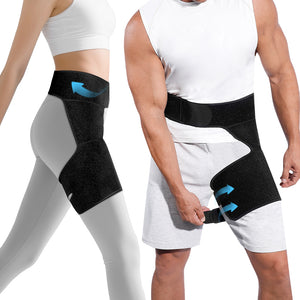
Soft Knee Brace
- Black
- Green
- Orange
- Pink
- Black
- Blue
- Green
- Red
- Orange
- Blue
- Dark Blue
- Black
- White
- Red
- Blue
- Black
- Blue
- Green
- Red
- Dark Blue
- Grey
- Black
- Blue
- Pink
- Grey
- Black
- White
- Light Black
- Black
- Light Grey
- Grey
- Magenta
- Black
Can You Sleep in a Soft Knee Brace?
Many people struggle with nighttime joint discomfort that severely disrupts a good night’s rest. Whether you are dealing with a minor sports injury, age-related joint stiffness, or general soreness from a long day on your feet, finding effective relief is crucial for your overall recovery. A frequent question that arises among those seeking overnight relief is: Can you sleep in a soft knee brace?
The short answer is yes, you can. However, there are several important factors regarding fit, circulation, and sleep hygiene to consider so you can wake up feeling refreshed rather than in more pain.
Understanding the Purpose of Soft Knee Support
Unlike rigid, heavy-duty hinged contraptions designed for severe trauma or post-surgical immobilization, a soft sleeve or wrap is typically crafted from breathable elastic or flexible neoprene. These materials are lightweight, highly comfortable, and designed to move with your body.
During the day, these supportive sleeves are highly versatile for everyday tasks and moderate physical activities. They offer targeted relief and joint stabilization for common conditions like mild sprains, osteoarthritis, meniscus tweaks, or general joint fatigue. Because they lack bulky metal hinges, they allow for a relatively natural range of motion while delivering much-needed compression to the affected area.
The Benefits of Wearing a Knee Brace to Bed
When it comes to your sleep hygiene and joint recovery, the primary goals are to maintain steady blood circulation, promote tissue healing, and maximize your personal comfort. For many individuals battling chronic joint pain, wearing a soft knee brace overnight can be incredibly beneficial.
Here is why wearing one to bed can help:
- Overnight Stability: We all toss and turn in our sleep. A supportive sleeve keeps the joint slightly compressed and stable, minimizing the risk of involuntary, jerky movements that could strain a healing ligament or wake you up in sudden agony.
- Therapeutic Warmth: Neoprene and elastic materials naturally retain your body heat. This gentle, continuous warmth can soothe aching joints, reduce nighttime stiffness, and promote localized blood flow, which is essential for accelerating the body's natural healing process.
- Psychological Comfort: Knowing that your vulnerable joint is protected can significantly reduce nighttime anxiety related to your injury, helping you fall into a deeper, more restorative sleep cycle.
Potential Risks: What to Watch Out For
While wearing a supportive compression sleeve overnight is generally safe and encouraged for many, it is not without potential drawbacks. The single most critical factor is ensuring proper blood circulation. A garment that feels perfectly snug during daytime walking or running might feel overly restrictive when you are lying still in bed for six to eight hours.
If the compression is too aggressive, it can impede healthy blood flow to your lower extremities. You must watch out for warning signs such as numbness, a tingling "pins and needles" sensation in your lower leg or foot, or a deep throbbing pain. If you experience any of these symptoms, you should remove the wrap immediately. Conversely, if the support is too loose, it will simply bunch up, potentially cause skin chafing, and fail to provide any therapeutic benefit.
Finding the Ideal Overnight Solution
Because sizing, breathability, and material play such a vital role in nighttime safety, taking the time to find the best soft knee brace for your specific body type and injury is essential.
Look for adjustable options with secure hook-and-loop straps. Adjustable designs are excellent for sleep because they let you slightly loosen the fit right before bed, accommodating any minor swelling that may occur overnight. Additionally, prioritizing breathable, moisture-wicking fabrics is highly recommended to prevent uncomfortable night sweats and skin irritation around the joints.
Additional Tips for Sleeping with Knee Pain
To maximize your overnight recovery alongside wearing your supportive sleeve, try incorporating these joint-friendly sleep habits into your nighttime routine:
- Use a Knee Pillow: If you prefer sleeping on your side, place a firm, contoured pillow between your knees. This simple trick keeps your hips properly aligned and takes excess pressure off the inner joint space.
- Elevate Your Leg: For back sleepers, resting your calf and heel on a wedge pillow can drastically reduce inflammation and fluid buildup around the injured area.
- Listen to Your Body: Ultimately, your personal comfort dictates whether you should wear your support garment to bed.
If wearing the brace during sleep enhances your comfort and helps you wake up with less stiffness, it is a highly worthwhile practice. However, if you find it cumbersome or it disrupts your sleep quality, it is perfectly fine to remove it before pulling up the covers. Always pay attention to how your body responds and adjust your nighttime routine accordingly.