Should I Wear a Brace for Peroneal Tendonitis?
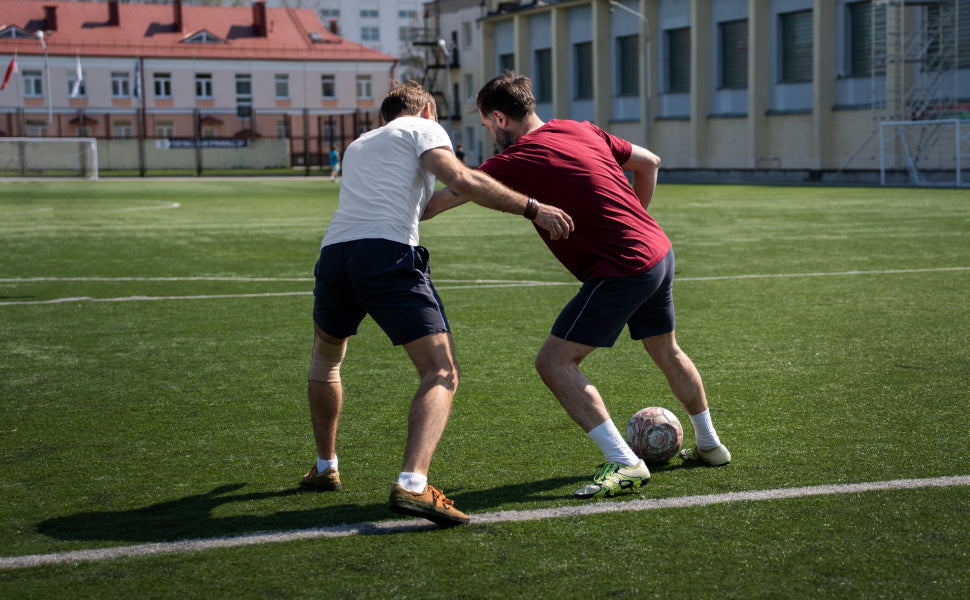
Extreme athletes know the grit required to push through burning lateral foot pain halfway up a rugged trail or during the final, high-stakes minutes of a competitive match. Pushing past physical limits is part of the game, but ignoring a compromised ankle entirely often leads to long-term sidelined seasons. Resolving lateral tendon pain requires strategic protection alongside intense rehabilitation. Knowing whether bracing helps peroneal tendonitis, and how to pick the precise supportive gear, dictates how quickly a competitor can safely return to peak performance.
For active individuals battling lateral ankle pain, structural support is highly effective when deployed correctly. A basic compression sock for ankle relief is incredibly useful for managing mild swelling, maintaining proprioception, and easing early recovery stages. In contrast, rigid braces are strictly required for high-grade instability and acute flare-ups. However, external support is never a permanent substitute for true tissue capacity. Combining supportive garments with progressive strengthening and a professional clinical assessment yields the fastest, most durable recovery outcomes.
What is Peroneal Tendonitis?
The peroneal tendons are two tough bands of tissue—the peroneus longus and peroneus brevis—that glide behind the outer ankle bone (lateral malleolus). These tendons serve a critical biomechanical role by stabilizing the foot, preventing it from excessively rolling inward, and assisting with pushing off the ground. When these tendons become inflamed or irritated, the condition is known as peroneal tendonitis.
Typical causes among athletes and highly active people stem from sudden spikes in training loads. Repeated micro-trauma from overuse, rapid increases in mileage, chronic ankle instability from past sprains, or switching to improper footwear can overload the lateral tissues.
Key symptoms to watch for include:
- Achy or sharp pain specifically located on the outside (outer) of the ankle.
- Visible swelling directly behind or slightly below the lateral malleolus.
- Crepitus, which presents as a grinding, clicking, or squeaking sensation when rotating the foot.
- Sharp pain triggered during resisted eversion (trying to push the foot outward against pressure).
How Peroneal Tendonitis Impacts Performance
Athletes dealing with this condition quickly realize how heavily performance relies on lateral stability. Functional limitations manifest immediately during complex movements. Running on uneven terrain, landing heavily from jumps, aggressively climbing, or executing explosive lateral cuts all stress the outer ankle structures. The pain reflexively limits power output and agility.
Choosing to ignore this type of tendonitis invites severe consequences. What begins as mild, chronic irritation can rapidly degrade into tendon subluxation, where the tendon repeatedly snaps out of its protective groove. Continued overloading risks microscopic tears evolving into full longitudinal ruptures. Furthermore, athletes will subconsciously alter their natural gait to avoid pain, which inevitably leads to compensatory injuries in the knees, hips, and lower back.
Goals of Support: What a Brace or Support Sock Should Do
Integrating external stabilization serves multiple vital purposes during athletic recovery.
- Reduce Painful Motion and Lateral Stress: A well-fitted brace physically restricts the extreme ranges of inversion, keeping the peroneal tendons out of their most vulnerable, stretched positions.
- Control Swelling and Improve Proprioception: Snug, compressive garments push excess fluid out of the joint while keeping the skin and underlying nerves stimulated, which enhances the body’s spatial awareness (proprioception).
- Allow Safer Return-to-Activity: Support systems act as a safety net, protecting healing tissues from sudden, unexpected jolts while active rehabilitation progresses.
- Improve Comfort During Long Sessions: Long training blocks require sustained endurance, and the right sleeve prevents fatigue-induced biomechanical breakdowns as the hours tick by.
Types of Supports and How They Work
Supportive Sleeves
A standard compression sock for ankle stabilization provides a continuous, supportive sleeve around the joint. Through graduated compression, it actively reduces localized swelling and provides essential proprioceptive feedback. This tool is best utilized for mild tendinopathy, the very early phases of active recovery, and everyday wear since it slides invisibly under standard athletic shoes.
Knitted or Elastic Support
Moving a step up in structure, ankle support socks feature targeted knitted compression zones. These garments typically boast low-profile designs, highly breathable materials, and anti-slip silicone grips that prevent migration during explosive movements. They are best suited for providing light stability during steady-state runs or acting as a comfortable base layer underneath bulkier, rigid braces.
Wraps and Figure-8 Straps
Fabric wraps and adjustable figure-8 straps add tangible lateral stability by mimicking professional athletic tape jobs. The overlapping tension actively limits excessive inversion and eversion. Extreme athletes frequently turn to wraps for managing acute flare-ups and requiring activity-specific protection during high-risk training sessions.
Lace-Up and Semi-Rigid Braces
Lace-up systems provide a robust mechanical restriction against dangerous lateral forces. Constructed from tough canvas or nylon and often reinforced with flexible stays, they lock the heel firmly in place. These braces are the preferred weapon against moderate instability, especially for sports demanding aggressive cutting and pivoting.
Stirrup or Hinged Braces
Stirrup and hinged variants provide the highest tier of lateral immobilization while still permitting upward and downward (plantarflexion and dorsiflexion) motion. When total immobilization or a rigid orthosis is indicated due to severe tissue damage, extreme athletes must recognize these red-flag cases and seek an immediate referral to a sports clinician.
Match the Support to Your Severity and Sport
Selecting the appropriate brace requires analyzing the current pain levels alongside the demands of the upcoming activity.
- Mild Peroneal Tendonitis: For low-grade, nagging pain, starting with a lightweight sleeve or elastic garment provides just enough sensory feedback to prevent overstretching.
- Moderate Symptoms or Instability: Athletes managing noticeable pain alongside feelings of unsteadiness benefit from a lace-up or semi-rigid brace layered over a base compression sleeve for dual-action protection.
- Acute Swelling and Flair: When the joint is visibly inflamed and painful at rest, combining a dense sleeve with an adjustable wrap helps flush fluid. During this phase, loading should be severely limited pending a professional assessment.
- Return-to-Sport Progression: As tissue strength and motor control improve over the season, transition away from rigid structures toward lower-profile garments.
How to Choose the Right Support Sock or Brace
Finding optimal protective gear involves evaluating several technical specifications to ensure it aids performance rather than hindering it.
- Material and Breathability: High-output sports require advanced moisture-wicking nylon and spandex blends. Traditional neoprene retains extreme heat, which can be useful for warming up stiff joints but may cause blistering over long hours.
- Compression Level: Garments typically offer mild, moderate, or firm compression. The correct level should restrict excessive swelling and provide tight support without ever compromising arterial circulation or causing nerve pain.
- Fit and Sizing: Precision is non-negotiable. Sizing must be determined by strictly measuring the ankle circumference rather than relying on shoe size. Furthermore, ensure the product specifically accommodates left versus right anatomical differences.
- Key Features to Look For: Premium garments feature anti-slip internal strips, reinforced lateral stabilizers, heavily adjustable straps, and either slip-on closed heels or open-heel designs depending on mobility needs.
- Trade-Offs: Recognize the balance between low-profile comfort and high-support protection. Maximum protection usually involves bulk, which necessitates evaluating compatibility with training shoes and existing custom orthotics.
- Durability: Analyze the stitching and care instructions, as daily athletic use degrades cheap elastic incredibly fast.
How to Wear and Layer Supports
Mastering the layering of gear prevents severe blisters and ensures the biomechanical support functions as intended.
For peroneal issues, wearing thin, moisture-wicking compression garments directly against the skin prevents friction burns. Rigid lace-up braces should generally sit over this thin base layer but underneath standard athletic socks. Ensure correct application by smoothing out all wrinkles and starting strap tension from the heel base upwards to avoid bunching and high-pressure hotspots.
Garments should be worn during specific high-load activities or acute flare-ups rather than 24/7 immobilization. Signs a brace is too tight include cold toes, localized numbness, throbbing, or deep red skin indentations lasting long after removal. Conversely, slipping and lack of tension indicate the gear is too loose.
Integrating Bracing with Rehabilitation
External stabilization serves exclusively as an adjunct to physical therapy, not a magical replacement for active rehabilitation. Relying entirely on a brace guarantees a weak, re-injury-prone tendon.
A standard progressive plan generally follows distinct phases:
- Phase 1 (Acute): Focus on relative rest, frequent icing, wearing a compressive sleeve, and performing gentle range-of-motion circles in pain-free ranges.
- Phase 2 (Subacute): Begin progressive loading through eccentric peroneal strengthening and balance drills. Utilizing support socks for ankles during these drills provides the exact amount of sensory feedback needed while performing single-leg balances and resisted band eversions.
- Phase 3 (Return-to-Sport): Transition strictly into sport-specific drills, such as lateral hops and dynamic cutting, while gradually reducing the physical reliance on the heavy brace.
- Exercise Progressions: Routine mainstays include resisted band eversions, deficit calf raises, single-leg stability pad balancing, and dynamic lateral bounds.
- Weaning Off: Guided progression involves deliberately removing the brace during controlled, low-risk environments to intentionally challenge the tendon's intrinsic load capacity.
Pros and Cons — Evidence-based and Experience-based Views
Pros
The tactical use of joint support yields immediate pain relief and excellent swelling control following acute trauma. Braces drastically improve athlete confidence and localized proprioception while returning to the field. Furthermore, it represents a simple, non-invasive, and remarkably low-risk adjunct to standard physical therapy.
Cons
Extensive over-reliance on rigid supports severely delays the restoration of intrinsic muscle strength and neuromuscular control. A poor mechanical fit easily causes agonizing skin abrasions, limits essential blood flow, and impedes natural gait mechanics. Most dangerously, thick braces can artificially mask the symptoms of severe mechanical instability or high-grade tendon tears, leading an athlete to push past safe structural limits.
When a Brace Is Not Enough — Red Flags for Medical Referral
Athletes must recognize when conservative self-management fails. Specific red flags demand professional intervention.
- Persistent or actively worsening pain despite weeks of rest, bracing, and targeted care.
- An audible sensation of popping or the distinct feeling of the tendon subluxating (slipping) out of its groove during activity.
- Significant, unyielding swelling, a sudden inability to bear normal body weight, or any visible joint deformity.
- Signs of systemic infection, including deep redness, radiating warmth, or localized fever.
Encountering any of these scenarios warrants an immediate assessment from a sports physician, podiatrist, or physiotherapist to secure advanced imaging and highly targeted clinical treatment.
Real-World Athlete Tips and Do’s & Don’ts
Veteran competitors who have survived grueling recoveries understand the nuances of managing lateral pain on the field.
Do: Utilize a lightweight sleeve as a first-line daily support mechanism to control background swelling, and rigorously combine bracing with strict strengthening routines.
Don’t: Never use a heavy brace merely to mask progressive pain or use it as an excuse to skip the mandatory rehabilitation exercises.
Practical strategies involve keeping duplicate gear on hand to rotate through wash cycles, preventing bacterial buildup. For additional protection during early return-to-sport phases, applying athletic tape directly under the sleeve locks the joint down efficiently. If utilizing a new rigid lace-up brace, allow adequate break-in time during light practice sessions before deploying it in heavy competition. Keeping a reliable support sock for sprained ankle recovery in the gear bag ensures immediate compression is available the moment an unexpected twist occurs.
Suggested Visuals and Supporting Elements
- Anatomy Diagrams: Visualizing the exact path of the peroneus longus and brevis tendons behind the lateral malleolus helps athletes pinpoint their pain.
- Support Types Table: A matrix aligning the severity of the injury against support styles (compression sleeve, wrap, lace-up, stirrup) streamlines the decision-making process.
- Application Photo Sequence: Step-by-step images demonstrating the correct tensioning of a figure-8 wrap and a lace-up brace prevent poor fitting.
- Athlete Anecdote Box: An experienced trail runner frequently encounters lateral ankle agony after navigating loose talus fields. Treating the initial inflammation requires immediate compression and rest. However, conquering the fear of re-injury during the first major descent back on the mountain requires a dependable semi-rigid lace-up brace. As the tendon regains its dense structural integrity through months of eccentric calf drops, transitioning back to a minimalist sleeve restores the foot's natural, unhindered biomechanics.
Buying Guide and Checklist
Streamlining the purchasing process saves time and prevents accumulating useless athletic gear.
- Quick Checklist: Always measure the ankle circumference accurately with a flexible tape, note the specific demands of the sport, select the appropriate compression level, test the brace inside the exact shoe used for training, and verify the retailer’s return policy regarding used medical gear.
- Where to Try: Specialty running stores and advanced physiotherapy clinics offer the best environments for testing gear under expert supervision. Furthermore, the professional sports protective gear brand Fivali offers an extremely extensive selection of products.
- Budget Considerations: Evaluate the long-term value. Spending slightly more on advanced moisture-wicking fabrics and durable reinforced eyelets prevents having to replace cheap, stretched-out elastic every single month.
Maintenance and Care
Proper upkeep preserves the biomechanical integrity of the garment.
Washing instructions generally dictate hand-washing in cool water with mild detergents. Machine washing and heavy machine drying rapidly destroy elastane fibers and degrade the anti-slip silicone beads. Knowing when to replace a brace is equally critical. Fraying edges, visible slippage during activity, and a noticeable loss of deep compression signal that the garment is exhausted and useless.To prevent skin irritation during long-term wear, thoroughly dry the foot before application, utilize high-quality foot powders to reduce friction, and immediately wash off sweat crystals post-workout.
Conclusion
Overcoming peroneal tendonitis demands a calculated combination of structural protection and active strengthening. Appropriate braces and targeted sleeves highly assist this process by restricting hazardous movement, mitigating swelling, and returning critical spatial awareness to the damaged joint.
An experienced athlete often uses a basic compression sleeve to manage swelling on light recovery days, shifts to a locked-down lace-up brace for unpredictable, hard training sessions, and relentlessly focuses on progressing entirely off the bracing systems as the lateral tendons regain their maximum load capacities.
Call to Action
Do not let lingering lateral ankle pain dictate the season's outcome. Test out a highly supportive compression sleeve during the next active rehab session to experience the immediate difference in stability, and ensure a consultation with a qualified sports clinician is scheduled to establish a bulletproof recovery roadmap.
Frequently Asked Questions
Will a brace cure peroneal tendonitis?
No. External support helps manage localized symptoms and protects the damaged tendon from overstretching while athletes execute the mandatory rehabilitation exercises that actually promote structural healing.
Should I wear a brace all day for peroneal tendonitis?
Not usually. Gear should be used strategically during athletic activity and unexpected flare-ups. Avoid constant 24/7 immobilization to prevent muscle atrophy, adhering closely to guided rehab protocols.
Is a compression sock enough, or do I need a brace?
Compression garments often suffice perfectly for mild cases and general swelling. Upgrade to a rigid brace when dealing with actual joint instability, tackling high-impact loads, or engaging in unpredictable return-to-play scenarios.
Can ankle support socks prevent peroneal tendonitis?
They can mildly reduce risk by improving baseline proprioception and limiting mild overloads, but managing overall training volume, correcting footwear, and refining landing mechanics remain the critical preventative factors.
How tight should a compression sock or brace be?
The fit must be distinctly snug and highly supportive, yet remain entirely comfortable. It should provide security without ever inducing numbness, tingling, or resulting in cold toes.
Can I run with peroneal tendonitis if I wear a brace?
Possibly, on strictly short, flat, and easy runs while symptoms remain incredibly mild. Progress must be cautious, and priority must remain heavily focused on tendon rehab exercises rather than masking the pain to run longer.
How do I know which size and compression level to buy?
Carefully measure the ankle's circumference and match it strictly to the manufacturer's specific sizing chart. Always start with a mild-to-moderate compression level and only upgrade to firm if swelling persists.
Should I wear the brace over or under my socks?
For optimal peroneal management, wear a thin, moisture-wicking sleeve directly against the bare skin underneath the training shoes. Thicker, rigid mechanical braces usually function best when worn over a base sock, depending entirely on the manufacturer's design.
How long before I can stop using a brace?
As tissue strength and dynamic control return, athletes can gradually wean off the support. This tapering process typically spans several weeks to a few months, with the ultimate goal being completely unassisted function.
Are there risks of using a brace incorrectly?
Yes. Dangerous risks include severe circulation problems from excessive tightness, painful skin abrasions, and a highly delayed strength recovery caused by over-reliance on artificial joint stabilization.
What alternatives exist to bracing?
Alternatives include professional athletic taping techniques, engaging in targeted neuromuscular strengthening, securing structural footwear or custom orthotic adjustments, and strategically modifying total training load under the guidance of a clinician.
When should I see a specialist?
Seek professional medical intervention if intense symptoms persist past 2 to 4 weeks despite rest and bracing, or if you ever experience severe radiating pain, tendon subluxation, or a complete inability to bear standard weight.