What Is the Best Elbow Compression Sleeve?

Ever found yourself with a nagging ache in your elbow after a long day at the computer, a tough workout, or a weekend of gardening? You’re not alone. Millions experience elbow discomfort, from mild strains to conditions like tennis elbow or golfer's elbow. In your search for relief, you've likely stumbled upon "elbow compression sleeves." But with so many options out there, how do you sort through the hype to find what truly works for your needs?
The truth is, there's no single "best" elbow compression sleeve for everyone. What's best for a powerlifter might not be ideal for someone managing daily arthritis pain. The real secret to finding your perfect fit lies in understanding the core elements that make an elbow compression sleeve effective. Think of this as your personal guide to becoming an informed consumer, equipping you with the knowledge to evaluate any sleeve you encounter.
Unpacking the Power of Compression: More Than Just a Hug
At its heart, an elbow compression sleeve is designed to apply gentle pressure around your elbow joint and the surrounding muscles. This isn't just a comforting squeeze; it’s a carefully engineered process that contributes to support, recovery, and even performance. For a deeper dive into how these sleeves work, you can explore more about elbow sleeve benefits.
The effectiveness of an elbow compression sleeve hinges on several key factors, often hidden beneath the surface. Understanding these will help you pinpoint what truly makes a sleeve exceptional for your specific situation:
1. The Science of Materials: Density, Fabric, and Feel
The material a sleeve is made from profoundly impacts its performance.
-
Material Density (Thickness): This refers to how thick the fabric is, often measured in millimeters (e.g., 3mm, 5mm, 7mm).
- Thicker sleeves (like 7mm) offer more warmth, support, and a feeling of joint stability, which can be beneficial for heavy lifting or intense activities. This increased density provides a firmer compression and can offer a slight buffering effect against minor bumps.
- Thinner sleeves (like 3-5mm) are often preferred for daily wear, light activity, or situations where maximum flexibility and breathability are paramount. They offer subtle support without feeling bulky.
-
Fabric Composition: Beyond thickness, the type of fabric matters.
- Neoprene is known for its excellent heat retention and sturdy compression, often favored by athletes for joint warmth and support.
- Nylon and Spandex blends offer high elasticity, breathability, and moisture-wicking properties, making them comfortable for extended wear.
- Some sleeves incorporate copper-infused fabrics, believed by some to offer anti-inflammatory or antimicrobial benefits, though scientific evidence for these claims varies.
- Breathability: Crucial for comfort, especially during prolonged use or intense activity. High-quality sleeves often feature moisture-wicking properties to draw sweat away from the skin, preventing chafing and maintaining a comfortable temperature.
2. Engineering the Squeeze: Graduated vs. Uniform Compression
Not all compression is created equal.
- Graduated Compression: This is a sophisticated design where the compression is strongest furthest from the heart (e.g., at the forearm) and gradually lessens as it moves towards the heart (e.g., towards the bicep). This promotes healthy blood flow, helping to reduce swelling and speed up recovery by encouraging venous return. It's often highly beneficial for post-activity recovery or managing edema.
- Uniform Compression: This applies consistent pressure across the entire sleeve. While still beneficial for support and warmth, it doesn't offer the specific circulatory advantages of graduated compression. Many general-purpose sleeves use uniform compression effectively for joint stabilization.
3. Design Matters: Seam Placement and Sleeve Length
Small details in design can make a big difference in comfort and effectiveness.
- Seam Placement: Poorly placed or bulky seams can cause irritation, chafing, or pressure points, especially during movement. Look for sleeves with flatlock seams, which are designed to lie flat against the skin, minimizing friction. Anatomically contoured seams are often preferred as they follow the natural curves of your arm, reducing bunching and enhancing comfort.
-
Sleeve Length: The ideal length often depends on your specific needs.
- Longer sleeves can provide more comprehensive muscle support, extending further up the bicep and down the forearm. This increased coverage can help stabilize a larger area and prevent muscle oscillation during movement.
- Shorter sleeves focus primarily on the elbow joint, offering more freedom of movement for the surrounding muscles.
4. Comfort in Motion: Breathability and Flexibility
An effective sleeve shouldn't feel restrictive.
- Breathability: As mentioned, good airflow prevents overheating and discomfort, especially during workouts or in warmer climates. Look for materials designed to vent heat and moisture.
- Flexibility: The sleeve should move with your body, not against it. High-quality elastic fibers ensure the sleeve retains its shape and compression level over time, even with repeated stretching and washing.

Your Personal Evaluation Checklist: Finding the Perfect Fit
Understanding the factors above is the first step. The next is applying them to your own body and activities. Here’s how to form your own evaluative criteria:
1. Accurate Measurement is Key
Before anything else, measure your arm correctly. Most manufacturers provide sizing charts based on the circumference of your arm, typically around the bicep and forearm, or at the elbow joint itself when slightly bent. A sleeve that’s too loose won’t provide adequate compression; one that’s too tight can be uncomfortable and potentially restrict circulation. When looking for support that fits just right, remember that learning how do I choose the right size arm brace? can also provide helpful insights, even if you're choosing a sleeve.
2. Assess Fit Tolerance and Retention During Activity
- Fit Tolerance: Can you comfortably bend and straighten your arm through its full range of motion? The sleeve should provide compression without digging into your skin, creating excessive bulk, or impeding natural movement. This is crucial for comfort, especially if you plan to wear it for extended periods.
- Retention During Activity: Does the sleeve stay put? A common frustration is a sleeve that slides down your arm during activity. Look for designs with non-slip silicone bands or a highly elastic, anatomical fit that conforms to your arm's shape and holds securely even during dynamic movements.
3. Thickness vs. Heat Retention: Your Comfort Balance
Consider your environment and activity level.
- If you live in a hot climate or engage in intense, sweat-inducing activities, a thinner, more breathable sleeve with excellent moisture-wicking properties will likely be more comfortable, even if it offers slightly less compression.
- For cold environments, arthritis relief, or activities like heavy weightlifting where joint warmth is beneficial, a thicker neoprene sleeve might be preferred for its superior heat retention.

Elbow Support for Every Lifestyle: When to Choose What
Now, let's connect these technical elements to real-world applications.
For Daily Wear and Mild Support (e.g., Arthritis, Repetitive Strain)
If you're dealing with general elbow soreness, mild arthritis, or repetitive strain from computer work, comfort and breathability are paramount. Look for:
- Thinner, highly breathable blends (nylon/spandex) for all-day comfort.
- Uniform or mild graduated compression to provide gentle support and warmth.
- Flatlock seams to prevent irritation.
- Easy on/off design.
For Dynamic Movements and Athletic Support (e.g., Lifting, Tennis Elbow, Golfers Elbow)
Athletes often need more robust support, joint stability, and sometimes focused compression. For active individuals, the elbow brace for pain collection offers solutions designed for various needs.
- Weightlifting/Powerlifting: Thicker (5mm-7mm) neoprene sleeves are popular. They offer significant warmth, support, and help with proprioception (your body's awareness in space), which can be crucial during heavy lifts. The extra density can also provide a "rebound" effect, helping stabilize the joint.
- Tennis Elbow/Golfer's Elbow: While straps are often used, some sleeves incorporate targeted gel pads or a counterforce design around the forearm to apply pressure to the affected tendons. Graduated compression can also aid in recovery.
- General Sports (Basketball, Volleyball, etc.): Focus on a balance of good compression, flexibility, and breathability. A 3-5mm sleeve often works well, offering warmth and light impact buffering without hindering agility.
When Higher Protection is Needed: Padded vs. Guard-Style Options
Sometimes, minor impact buffering isn't enough. If your activity involves potential for direct impact, such as certain contact sports, wrestling, or falls, you'll need more than a basic compression sleeve. This is where padded or guard-style options come into play.
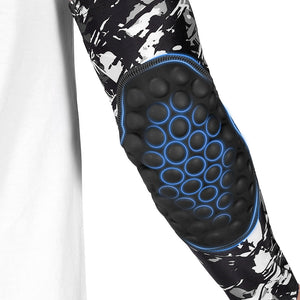
- Padded Elbow Sleeves: These integrate foam or gel pads into the fabric, usually over the bony prominence of the elbow. They offer enhanced protection against minor bumps, scrapes, and light falls. The padding is typically flexible, allowing for a good range of motion while still cushioning impact. They are ideal for sports like volleyball, basketball, or skateboarding where sliding or minor impacts are common.
- Guard-Style Elbow Protectors: These are designed for more significant impact absorption. They often feature harder shells or denser, more rigid padding that might be secured with straps. While they provide superior protection, they can be bulkier and may restrict some movement. These are typically used in sports like mountain biking, extreme skateboarding, or certain martial arts where serious falls or collisions are expected.

The choice between a simple elbow sleeves, padded, or guard-style comes down to your sport's demands and your risk of direct impact. A general compression sleeve can offer minor buffering, but for anything more, specialized protection is required.
Common Questions & Misconceptions About Elbow Compression Sleeves
Are compression sleeves a "cure" for elbow pain?
No. Compression sleeves provide support, reduce swelling, increase warmth, and improve proprioception, which can significantly alleviate symptoms and aid recovery. However, they are not a cure for underlying injuries. Always consult a healthcare professional for diagnosis and treatment of persistent pain.
Can wearing an elbow sleeve cut off my circulation?
When sized correctly, an elbow compression sleeve should enhance blood flow (especially graduated compression), not restrict it. If you experience numbness, tingling, coldness, or discoloration in your hand or fingers, your sleeve is too tight, and you should remove it immediately.
How long should I wear my elbow compression sleeve?
This depends on your needs. For athletic support, wear it during your activity. For recovery or managing chronic pain, you might wear it for several hours, but it’s generally not recommended to sleep in them unless advised by a professional. Always listen to your body and remove the sleeve if discomfort arises.
Are sleeves only for athletes?
Absolutely not! While popular with athletes, elbow compression sleeves are beneficial for anyone experiencing elbow discomfort from daily activities, repetitive motions, arthritis, or recovering from a minor injury.
Your Next Steps to Confident Elbow Support
Choosing the "best" elbow compression sleeve means selecting the one that aligns perfectly with your body, your activity, and your specific needs. By focusing on material density, compression type, design elements, and evaluating fit tolerance and retention, you’re empowered to make an informed decision.
Consider these final steps:
- Define Your Need: Are you seeking warmth, daily comfort, performance support, or impact protection?
- Measure Accurately: Use manufacturer sizing charts diligently.
- Prioritize Factors: Decide which aspects (breathability, thickness, specific compression) are most important for your use case.
- Explore Options: Look for features like flatlock seams, moisture-wicking fabrics, and thoughtful design. If you're ready to explore high-quality options, check out our selection of best elbow sleeves.
Remember, investing in the right elbow support is an investment in your active lifestyle and well-being. And while a good best hip support brace can make a huge difference for hip stability, applying the same thoughtful evaluation to your elbow can lead to lasting comfort and confidence.