Can a Shoulder Brace Help Atraumatic Shoulder Instability?

Atraumatic shoulder instability presents a distinct clinical challenge because it occurs without a single traumatic event or physical injury. Patients experiencing this condition often describe a persistent feeling of looseness, slipping, or frequent partial dislocations during everyday movements. Unlike traumatic instability, which often involves torn ligaments or labral detachment, non-traumatic cases frequently stem from generalized joint laxity, muscle imbalance, or faulty neuromuscular control. Non-surgical management serves as the primary standard of care for restoring joint function. Dynamic support, combined with targeted physical therapy, helps improve joint positioning and dynamic stability over time.
Mechanics of Non-Traumatic Shoulder Instability
Understanding how the shoulder joint functions clarifies why non-traumatic instability requires a targeted functional approach. The glenohumeral joint is designed for maximum mobility, relying heavily on dynamic muscle stabilizers rather than rigid bone structures.
Pathophysiology and Joint Laxity
Atraumatic instability typically develops due to systemic tissue elasticity or gradual muscular imbalance. When ligamentous constraints are naturally soft or stretched, the humeral head slides excessively within the shallow glenoid cavity. Over time, subtle dynamic errors lead to repeated subluxations during simple functional reach or overhead activities.
Role of Dynamic Support in Joint Positioning
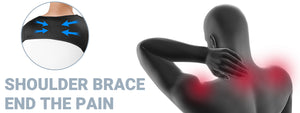
External dynamic devices assist unstable joints through continuous physical cues and compression. Wearing a double shoulder compression sleeve offers gentle joint centering, encouraging proper alignment without completely immobilizing the upper body. This controlled restriction limits extreme ranges of motion where dislocations are most likely to occur.
Sensorimotor Feedback and Proprioception
Enhanced sensory input is a key benefit of external compression. Continuous skin contact stimulates localized mechanoreceptors, sending immediate neurological feedback to the central nervous system. This heightened awareness allows surrounding muscle groups to react faster and hold the joint securely in place during active movement.
Functional Benefits of Compression Devices
Compression garments and targeted external supports deliver multi-faceted functional assistance to individuals managing joint laxity.
Joint Centering and Mechanical Stability
Maintaining proper alignment between the humerus and glenoid reduces strain on weakened capsular tissues. An effective fivali double compression shoulder brace applies even pressure across both shoulder girdles, stabilizing the anterior and posterior aspects of the joint simultaneously. This structural balance minimizes dynamic translation during daily active use.
Muscle Activation and Coordination
Compression encourages balanced activation of the rotator cuff and scapular stabilizer muscles. By providing a subtle resistance feedback loop, external supports help correct abnormal muscle activation patterns that often develop as compensatory habits in unstable joints.
Bilateral Postural Support
Asymmetry in shoulder movement frequently worsens instability symptoms. Utilizing a double shoulder brace provides balanced upper-body alignment, pulling rounded shoulders back and stabilizing the thoracic area. Equal weight distribution prevents one side from compensating excessively for the opposite joint.

Choosing the Right Shoulder Brace
Selecting the correct dynamic external support involves balancing compression levels, material properties, and freedom of movement.
Single Versus Dual Shoulder Designs
Single-shoulder sleeves target localized issues, but dual-shoulder garments offer superior posturing for bilateral laxity. Selecting a double shoulder compression sleeve ensures uniform tension across the upper back, reducing compensatory strain on the non-injured side and maintaining structural symmetry.
Material Breathability and Daily Comfort
Long-term user compliance depends heavily on material quality. Modern designs feature lightweight, moisture-wicking neoprene blends or specialized knits that allow heat to escape during physical activity. Breathable fabrics reduce skin irritation, making extended wear feasible throughout typical daily routines.
Adjustability and Custom Fit
Proper fit ensures maximum sensory feedback and joint alignment without compromising circulation. High-quality options feature adjustable chest straps and customizable arm cuffs, allowing users to tailor the pressure gradients according to their unique anatomy and activity levels.
Integrating Support into Rehabilitation Protocols
External compression devices yield the best practical outcomes when integrated thoughtfully into comprehensive joint stabilization programs.
Combining Brace Use with Physical Therapy
Compression garments do not replace active muscle strengthening. Instead, wearing a double shoulder compression sleeve during active rehabilitation provides temporary stability, allowing individuals to perform strengthening exercises with greater confidence and reduced mechanical displacement.
Managing Wear Time and Muscle Dependence
Continuous year-round wearing without physical training can lead to muscular laziness. Users should wear structural supports during high-demand physical tasks or active movement sessions, while actively engaging in unbraced strengthening exercises to build native muscle control.
Progressive Loading and Gradual Weaning
As rotator cuff strength and dynamic muscle control improve, reliance on external compression should decrease. Gradually reducing brace usage during low-risk tasks encourages the body's natural neuromuscular system to maintain long-term shoulder stability independently.
Comparative Overview of Dynamic Support Options
Selecting the right level of support requires evaluating mechanical rigidity, functional mobility, and targeted use cases.
| Support Category | Compression Level | Mobility Level | Ideal Application |
| Lightweight Elastic Sleeve | Mild | Full | Daily low-impact activities and mild proprioceptive feedback |
| Double Shoulder Brace | Moderate to Firm | Controlled | Bilateral instability, posture correction, and active tasks |
| Rigid Mechanical Immobilizer | High | Severely Restricted | Acute post-injury immobilization or post-surgical protection |
Practical Guidelines for Long-Term Shoulder Management
Managing non-traumatic joint laxity requires a consistent, multi-faceted approach focused on active control, dynamic posture, and protective habits.
Daily Movement Strategies
Avoid sustained positions that strain the joint capsule, such as hanging heavy items from extended arms or sleeping with arms elevated overhead. Keeping movements within a comfortable visual field protects vulnerable lax tissues from unnecessary mechanical stress.
Enhancing Core and Scapular Strength
The shoulder girdle relies directly on a stable foundational platform. Strengthening the serratus anterior, rhomboids, and lower trapezius muscles ensures smooth scapular tracking, reducing joint subluxation risks during reaching movements.
Long-Term Joint Protection and Vitality
Dynamic joint laxity remains an ongoing mechanical characteristic rather than a temporary structural defect. Integrating targeted compression tools like Fivali into active routines helps individuals remain functional, comfortable, and confident in their upper-body movements over the long term.
-
Posted in
Brace, shoulder, Shoulder pain