Can You Use Knee Sleeves for Leg Extensions?
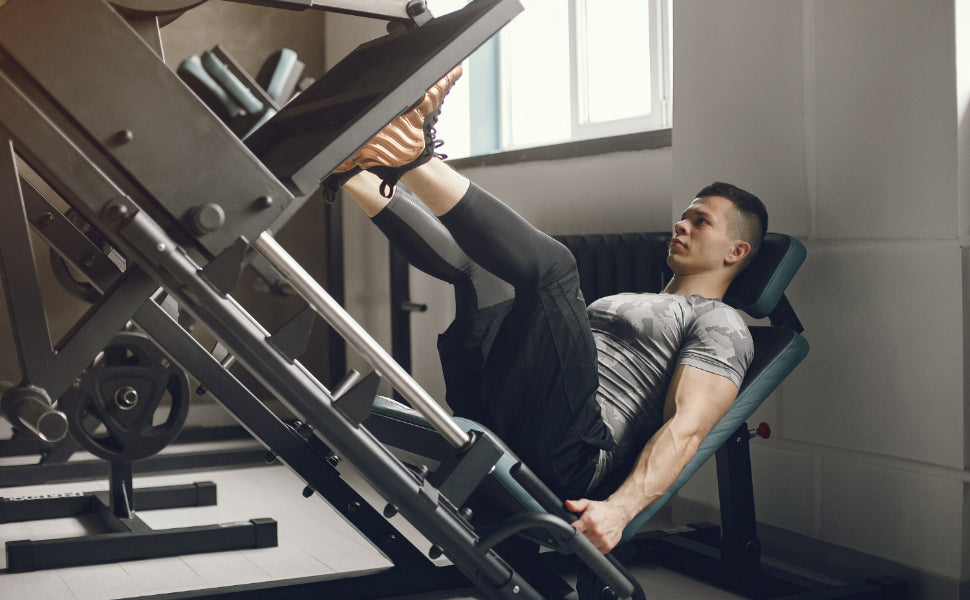
Leg extension exercises serve as a classic staple in resistance training routines focused on quadriceps development. By targeting the front thigh muscles in isolation, lifters can build localized strength, enhance muscular detail, and increase quad volume. However, because leg extensions isolate the knee joint without assistance from surrounding muscle groups, heavy loads can place unique demands on joint tissue. As training intensity escalates, strength athletes frequently evaluate protective accessories to support their training. Wearing neoprene joint compression gear during machine workouts can alter how tension, thermal temperature, and force vectors interact with the joint. Evaluating the mechanics of open-kinetic-chain knee extensions helps determine how compression garments optimize training sessions while keeping joint surfaces comfortable.
Biomechanics of Open-Kinetic-Chain Extensions
Machine leg extensions differ fundamentally from compound lower-body exercises like squats, lunges, or leg presses. Understanding these mechanical differences clarifies why knee strain often feels more concentrated during quad isolation work.
Shear Force Mechanics
In compound exercises, the foot remains fixed against a surface while multiple joints move together, distributing load across hips, knees, and ankles. In contrast, leg extensions operate as open-kinetic-chain movements where the foot moves freely against resistance anchored at the lower shin.
-
Patellar Tendon Strain: The leverage created by the machine pad places peak mechanical strain directly behind the kneecap and along the patellar tendon near full extension.
-
Reduced Posterior Muscle Contribution: Because the hamstring muscles remain inactive during quadriceps isolation, the anterior cruciate ligament and patellar tissue absorb the entirety of the load.
-
Joint Axis Stress: The rotational axis of the machine concentrates torque directly through the lateral center of the knee joint.
Compression Dynamics
Neoprene sleeves wrap tightly around the leg joint to establish tactile exterior pressure. This mechanical encasement creates firm superficial tension that assists in stabilizing soft tissue structures as the lower leg moves through flexion and extension ranges.
Performance and Support Advantages
Adding neoprene compression gear to isolation workouts provides several measurable benefits for athletes who train with elevated volume or progressive resistance.
-
Superior Thermal Insulation: Thick neoprene retains natural body heat, rapidly warming local subcutaneous tissue. Operating an am relieve knee sleeve maintains warm synovial fluid within the joint capsule, ensuring low friction during continuous movement cycles.
-
Proprioceptive Feedback Loop: The tactile skin contact provided by elastic compression enhances spatial awareness. Increased sensory input helps lifters maintain conscious control over movement velocity, preventing sloppy rep execution.
-
Reduction of Micro-Lateral Deviation: Firm external compression keeps the kneecap tracking smoothly within the femoral groove, reducing unnecessary side-to-side friction under maximum weight stress.
-
Consistent Joint Warmth During Rest: Between high-intensity sets, muscle temperatures drop quickly. Wearing an am relieve knee sleeve preserves warmth during rest intervals, keeping tendons supple for subsequent sets.
-
Localized Force Dispersal: External compression spreads heavy pulling forces across a wider surface area around the patella rather than allowing tension to focus on a single insertion point.
Support Gear Comparison
Choosing the appropriate lower-body support gear relies on training goals, movement complexity, and personal comfort preferences.
| Gear Category | Material Density | Primary Function | Ideal Application |
| Neoprene Sleeves | Flexible Rubber Compound | Heat & Compression | Isolation & General Lifting |
| Heavy Power Wraps | Rigid Woven Canvas | Mechanical Energy Rebound | Maximal Squat Overload |
| Elastic Bandages | Thin Stretch Fabric | Light Local Pressure | Casual Warm-up Support |
Sleeve Thickness Options
-
5mm Compression Sleeves: Ideal for lighter high-repetition sets, warm-ups, and machine-based exercises where maximum flexibility is desired.
-
7mm Compression Sleeves: Designed for heavier strength work, offering robust support, maximum warmth, and firm joint compression.
Material Construction Quality
Durability remains an essential factor when selecting workout gear. High-quality sleeves designed by brands like Fivali feature contoured anatomical stitching, reinforced seams, and durable neoprene that resists stretching or slipping during intense leg sessions.
★ Fivali Top Pick
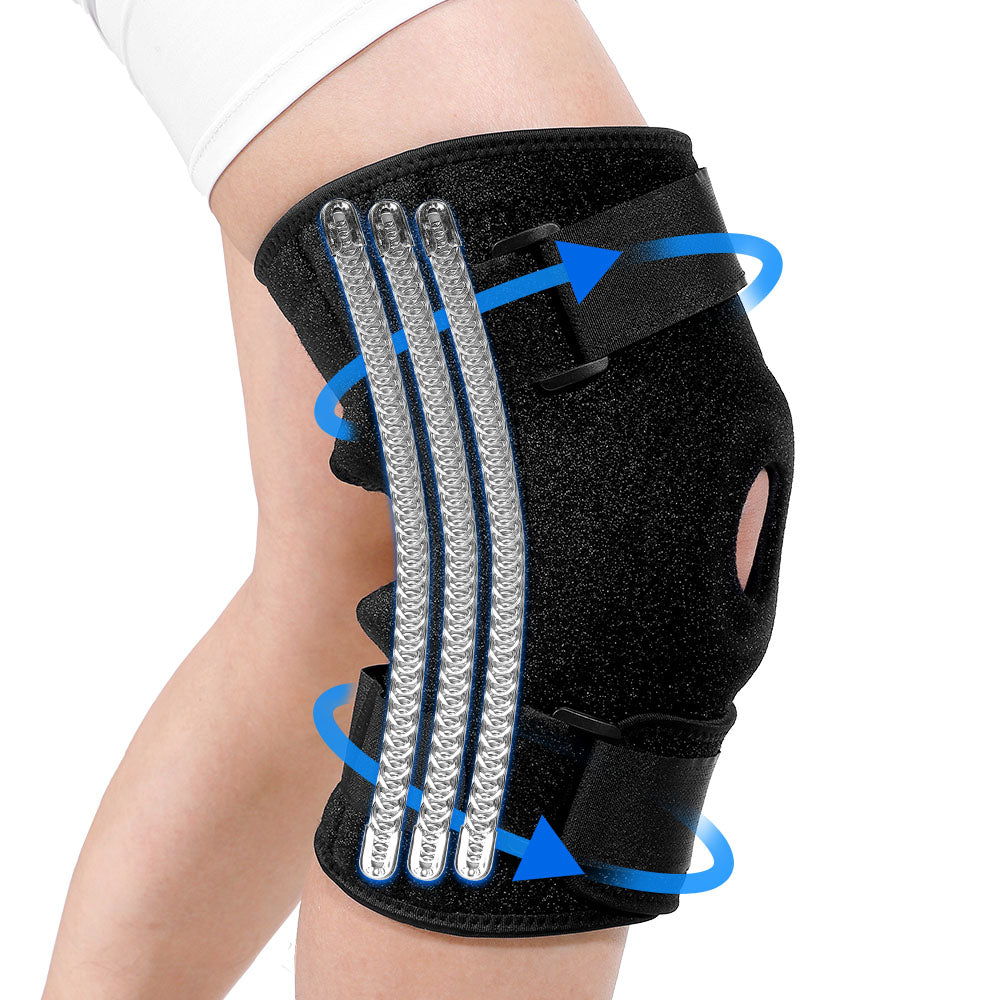
- Triple Metal Springs Stabilizers for Reinforcement
- Plus Size Fit for Obese People, Large Legs
- 3D Breathable Circular Wrapping
- Flexible Velcro Design for Strong Adhesion
- Zero Slip During Lifts, Bends, Walks
Machine Setup and Exercise Execution
To maximize the functional benefits of joint support, lifters must ensure proper machine geometry and precise movement control. Supportive garments enhance joint comfort, but incorrect setup can still produce unnecessary stress.
Machine Adjustment Guidelines
-
Seatback Distance: Adjust the seat back rest so your lower back rests flat against the support pad with the back of your knees fitting snugly against the edge of the seat.
-
Pivot Axis Alignment: Align the machine rotational axis precisely with the lateral midpoint of your knee joint to ensure natural joint tracking.
-
Ankle Pad Placement: Position the padded roller pad directly across the lower shin just above the ankles, avoiding placement against the top of the feet.
Lifting Technique Rules
-
Controlled Acceleration: Avoid explosive jerking motions from the bottom stretched position to prevent sudden impact forces on the patellar tendon.
-
Peak Contraction Pause: Contract the quadriceps fully at the top of the movement, pausing briefly without locking the joint out aggressively.
-
Smooth Eccentric Lowering: Lower the weight slowly over two to three seconds to maintain constant muscular tension throughout the descent.
Strategic Workout Integration
Integrating compression accessories into a lower-body workout routine requires deliberate planning to gain full benefits without developing overreliance.
-
Dynamic Warm-Up Routine: Put sleeves on at the start of your warm-up to accelerate deep tissue temperature increases before attempting heavy working sets.
-
Progressive Weight Loading: Increase machine resistance gradually across sets while utilizing an am relieve knee sleeve to ensure optimal joint comfort as working loads get heavier.
-
In-Between Set Care: Keep sleeves pulled up completely during rest periods to prevent joint cooling, especially in air-conditioned gym environments.
Fabric Care and Maintenance
Proper care extends the functional lifespan of synthetic support gear and preserves elastic structural integrity over time.
-
Regular Washing Habits: Sweat, skin oils, and chalk accumulate inside neoprene cells. Hand wash sleeves in cold water using mild liquid detergent after every few workout sessions.
-
Proper Drying Techniques: Never place neoprene garments in high-heat electric dryers. Lay them flat in a well-ventilated shaded area to air dry completely.
-
Storage Considerations: Avoid folding compression sleeves tightly or crushing them under heavy weight plates in gym bags to prevent permanent neoprene creasing.
Long-Term Joint Longevity Strategies
Relying exclusively on support gear without addressing underlying movement mechanics or structural muscular balance can hinder athletic development over extended timeframes.
-
Balanced Muscular Development: Balance quadriceps isolation work with hamstrings, glutes, and hip strength exercises to maintain proper agonist-antagonist strength ratios.
-
Tendon Adaptation Timelines: Tendons and ligaments adapt to progressive training loads slower than muscular tissue. Modulate overall training volume to allow connective tissue time to adapt.
-
Recovery and Hydration: Adequate water consumption and quality sleep support connective tissue elasticity and joint lubrication across intense training phases.
Comprehensive Summary
Using protective knee sleeves during leg extension workouts offers distinct advantages for performance, comfort, and joint stability. Compression garments provide localized heat retention, improve joint tracking, and enhance spatial proprioception during open-kinetic-chain quadriceps isolation. Combining high-quality compression gear with accurate machine alignment, controlled rep execution, and balanced training loads creates an optimal environment for building quadriceps size and strength while maintaining long-term joint comfort.
-
Posted in
knee