How to Treat Gout in Ankle at Home?
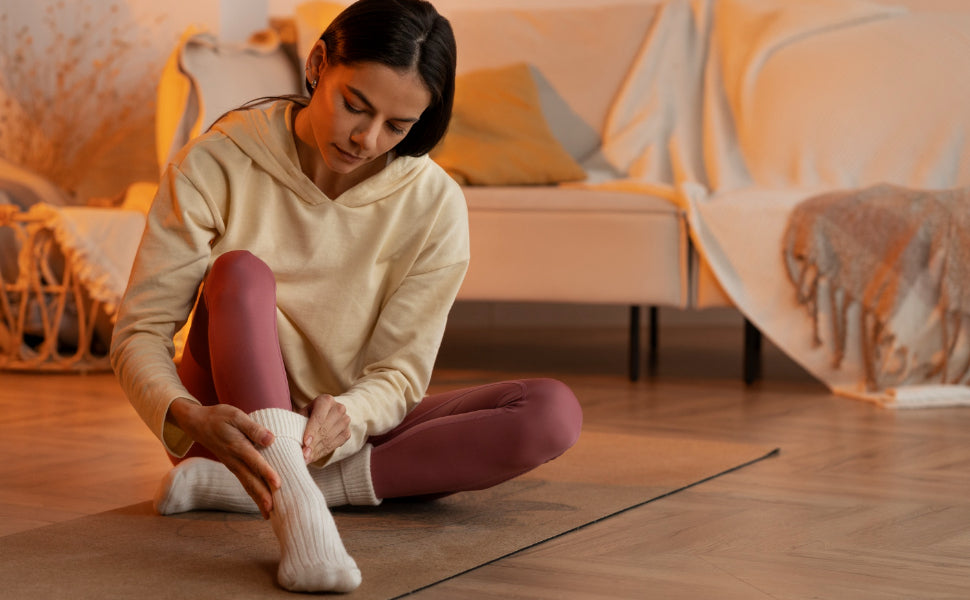
Ankle gout can strike suddenly, turning a routine morning into an agonizing experience. This form of inflammatory arthritis occurs when uric acid crystals build up in the ankle joint, leading to intense pain, swelling, redness, and stiffness. Managing a severe flare at home requires a combination of immediate symptom relief, proper lifestyle adjustments, and effective physical joint support. By implementing targeted strategies, individuals can reduce pain, protect their mobility, and shorten the duration of painful episodes.
Immediate Relief Strategies for Ankle Gout Flares
When a gout flare occurs, fast action is essential to lower inflammation and alleviate discomfort. Taking early measures helps manage the intense swelling that makes walking or standing nearly impossible.
Apply Cold Therapy to Reduce Swelling
Ice is one of the most effective natural tools for numbing acute joint pain. Applying an ice pack wrapped in a thin towel to the affected ankle for 15 to 20 minutes several times a day reduces blood flow to the inflamed area, which directly minimizes swelling and dulls severe pain sensations. Avoid applying ice directly to bare skin to prevent tissue irritation.
Elevate the Affected Leg
Gravity plays a major role in controlling fluid buildup around inflamed joints. Elevating the painful ankle above the heart level helps drain excess fluid and reduces throbbing pressure. Resting the lower leg on pillows while lying down or sitting back in a comfortable recliner provides significant ease during the peak hours of a flare.
Rest and Limit Weight Bearing
Continuing to walk or place heavy pressure on an inflamed ankle joint can worsen tissue irritation and prolong the flare. Rest is vital during the first 24 to 48 hours. Staying off the foot as much as possible allows the body to clear uric acid accumulation without additional physical friction damaging the sensitive joint tissues.
Joint Stabilization and Support Solutions
Protecting the ankle during and after a gout attack helps prevent secondary discomfort and maintains stability when movement becomes necessary. Utilizing supportive gear provides structural relief to tender ligaments and surrounding muscles.
Choosing an Ankle Brace for Pain Management
Wearing a functional ankle brace for pain relief provides light compression and limits unexpected side-to-side movements that aggravate sensitive joints. Compression helps reduce localized fluid retention while giving the wearer confidence during basic daily movements. A gentle brace designed for swelling control serves as a great tool during the recovery phase.
Finding the Best Ankle Stabilizer for Daily Mobility
During recovery, the joint requires rigid or semi-rigid protection to avoid twisting. Selecting the best ankle stabilizer ensures proper alignment of the foot and ankle complex. Stabilizers with adjustable straps allow users to customize the tight fit based on current swelling levels. A high-quality device like a Fivali option offers customizable compression straps that support the joint while catering to fluctuating inflammation levels.
Utilizing Everyday Ankle Support for Long-Term Comfort
As the acute gout attack subsides, transitioning to an everyday ankle support sleeve or light wrap offers continuous warmth and low-profile protection. Consistent everyday ankle support reduces joint fatigue and assists with weight distribution when resuming normal household chores or workplace walking.

Dietary Modifications to Lower Uric Acid
Long-term management of gout relies heavily on dietary adjustments. Uric acid is produced when the body breaks down purines, compounds found naturally in many common foods. Modifying daily nutritional choices lowers uric acid production and prevents recurrent joint inflammation.
Increase Daily Water Intake
Hydration is fundamental in flushing excess uric acid through the kidneys before it can crystallize in the joints. Drinking eight to twelve glasses of water daily helps dilute uric acid levels in the blood. Staying consistently hydrated also supports overall renal function and keeps joints well-lubricated.
Avoid High-Purine Foods and Beverages
Certain foods trigger gout attacks by significantly increasing uric acid levels. Eliminating or sharply limiting red meat, organ meats, shellfish, and foods rich in high-fructose corn syrup lowers flare frequency. Additionally, alcohol, particularly beer, hinders uric acid clearance and should be avoided during and immediately following an ankle flare.
Incorporate Tart Cherries and Anti-Inflammatory Foods
Tart cherry juice and fresh cherries contain powerful antioxidants known as anthocyanins, which help lower uric acid levels and decrease joint inflammation. Adding fresh berries, leafy greens, olive oil, and low-fat dairy products into daily meal planning builds a solid foundation against systemic inflammation.
Physical Activity and Gentle Joint Care
Once acute inflammation eases, keeping the ankle flexible without overexerting the joint helps restore normal range of motion and prevents joint stiffness.
Gentle Range of Motion Exercises
Soft, non-weight-bearing exercises encourage circulation without straining the ankle. Simple exercises like seated ankle circles, toe flexes, and writing the alphabet in the air with the toes help restore joint mobility. Perform these movements slowly, stopping immediately if sharp discomfort arises.
Low-Impact Movement for Maintenance
When full weight-bearing becomes comfortable again, low-impact activities like swimming or stationary cycling provide cardiovascular benefits without slamming pressure onto the ankles. Engaging in these gentle workouts keeps surrounding calf muscles strong, which complements the structural support offered by the best ankle stabilizer during daily activities.
Selecting Proper Footwear and Joint Protection
Proper footwear works hand in hand with dynamic wraps and braces. Shoes with wide toe boxes, cushioned midsoles, and solid arch support prevent unnecessary strain on the ankle joint. Wearing well-designed footwear along with an ankle brace for pain management gives full structural defense during prolonged standing or walking.
Practical Daily Habits to Prevent Future Flares
Establishing daily routines aimed at joint health and systemic balance significantly cuts down the likelihood of recurrent gout attacks in the lower extremities.
Maintain a Healthy Body Weight
Carrying excess body weight increases overall uric acid production and places extra mechanical stress on weight-bearing joints like the ankles and knees. Gradual, sustainable weight loss achieved through balanced nutrition and low-impact exercise relieves physical burden on the lower limbs while helping regulate metabolic function.
Monitor Daily Stress and Rest Patterns
Physical stress, dehydration, and lack of adequate sleep can trigger systemic inflammatory responses that increase susceptibility to gout. Maintaining a consistent sleep schedule and practicing relaxation techniques support immune balance and lower overall inflammation markers.
Wear the Best Ankle Support During Physical Tasks
Preventing joint fatigue during active days helps protect compromised ankles from micro-trauma. Utilizing the best ankle support sleeve during light exercise, gardening, or extended walking periods stabilizes the joint. Integrating reliable ankle brace for pain management alongside lightweight best ankle support gear ensures optimal joint protection throughout every stage of recovery.
Comprehensive Recovery for Ankle Gout
Managing ankle gout at home requires an active approach that merges rapid cooling, elevation, purine-conscious nutrition, and appropriate structural bracing. Utilizing protective support like the best ankle stabilizer or lightweight everyday ankle support offers the balance of compression and motion control required to move comfortably again. By implementing these lifestyle and physical supportive strategies, individuals can reduce flare duration, protect joint integrity, and enjoy long-term comfort at home.
-
Posted in
ankle, Ankle Injuries, Recovery