Do Back Braces Actually Help Posture?

Maintain good alignment throughout the workday presents a continuous challenge, especially for professionals who spend countless hours upright. Physical strain accumulates quietly over time, causing muscle fatigue, slouching, and persistent spinal discomfort. Many workers consider spinal supports to address these issues. The core question remains whether a external support truly corrects alignment habits or simply acts as a temporary crutch.
Understanding how spinal supports interact with human biomechanics helps clarify their true value. Proper postural alignment requires a balance between active muscular engagement and passive spinal structure support. External supports can offer valuable sensory feedback, helping individuals remain mindful of their alignment while minimizing fatigue during long shifts.
The Biomechanics of Standing Alignment
Human posture relies on a delicate balance between spinal structures and muscular endurance. Standing continuously for long periods exerts significant mechanical strain on the lumbar region. As muscles tire, the lower back natural curve flattens, leading to forward head posture, rounded shoulders, and severe lower back pressure.
When body alignment shifts forward, gravitational load increases exponentially on lower back vertebrae. Muscles work overtime to keep the torso upright, eventually leading to exhaustion and compromised posture.
Fatigue and Muscle Engagement
Muscular fatigue remains the primary cause of poor posture during long standing hours. When core and back muscles become exhausted, the body naturally relies on passive structures like ligaments and spinal joints for stability. This shift leads to slumping and increased joint stress.
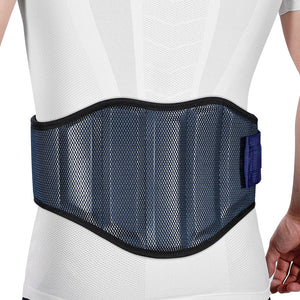
A well designed back brace for standing all day provides targeted compressive force around the midsection. This extra stability takes immediate strain off overworked muscle groups, allowing workers to sustain proper alignment through long shifts without collapsing into a slouched posture.
Proprioception and Muscle Memory
Proprioception refers to the body ability to sense its position in space without visual cues. Passive supports enhance proprioceptive feedback by contacting the skin and underlying tissues.
When slouching occurs, the fabric tightens against the skin, instantly alerting the user to adjust their posture. Over time, this immediate tactile feedback reinforces proper spinal positioning, encouraging better habits even when external support is absent.
Evaluating the Performance of Structural Back Supports
Not all wearable supports offer equal benefits. The market contains diverse options ranging from soft elastic bands to rigid orthotic devices. Selecting a high quality wearable back support ensures an effective balance between comfortable movement and rigid stabilization.
Modern designs focus on ergonomic contouring, breathable textiles, and adjustable tension systems. These features allow individuals to customize compression levels based on specific activity requirements throughout the day.
Lower Back Pressure Relief
Lumbar compression redistributes intra-abdominal pressure, effectively reducing load burdens on lower spinal discs. This mechanical relief prevents micro-trauma from continuous compression during long shifts.
By stabilizing the lower back, a quality support allows the upper body to remain tall and open. Users experience reduced tightness across the shoulders and lower back, creating an easier path toward upright posture.
Core Engagement vs Dependent Reliance
A common concern involves muscle dynamic weakness from relying on external gear. Overusing rigid supports can cause core muscles to disengage, leading to long term muscle weakness.
The goal involves using structural support as a dynamic training tool rather than a constant crutch. Wearing a supportive device strategically during peak fatigue hours helps maintain optimal biomechanics without replacing natural muscular engagement.

Strategic Integration for Everyday Alignment
Maximizing the advantages of external support requires an intentional approach. Integrating physical movement, ergonomic adjustments, and structured wearing schedules delivers optimal long term posture improvement.
Combining supportive gear with targeted core exercises produces better spinal health outcomes than relying solely on external stabilization.
Gradual Adjustment Schedules
Introducing new alignment gear to a daily routine requires a gradual approach. The body requires time to adjust to new mechanical feedback and altered dynamic pressure points.
-
Start by wearing the device for one to two hours during periods of heavy physical activity or long standing sessions.
-
Gradually increase usage time as muscle endurance improves, taking care to avoid continuous wear beyond recommended daily limits.
-
Remove the support during seated rest periods to encourage natural core activation and dynamic balance.
Core Strengthening Exercises
External alignment support functions best alongside strong internal muscle groups. Building core strength ensures the body maintains proper positioning naturally over time.
-
Plank variations reinforce abdominal endurance and stabilize the central pelvic structure.
-
Bird-dog movements build stability across opposite muscular chains along the spine.
-
Glute bridges strengthen lower body support, reducing primary strain on the lower spine.
Workplace Ergonomics
Relying solely on posture aids cannot completely solve alignment issues if environmental conditions remain poor. Adjusting daily work setups plays a key role in protecting spinal health.
-
Position working surfaces at appropriate elbow height to prevent stooping forward.
-
Use cushioned anti-fatigue mats to absorb heel impact and reduce lower body pressure.
-
Take periodic walking breaks to restore circulation and stretch tight hip flexors.
Choosing Quality Postural Solutions
Selecting effective supportive gear involves reviewing structural durability, breathability, and functional flexibility. High quality products combine firm spinal support with lightweight, flexible materials suitable for active daily routines.
Innovations in orthotic design prioritize user comfort alongside functional effectiveness. Modern options integrate seamlessly under standard clothing, allowing subtle wear in professional or public settings.
Material Engineering and Breathability
Standard orthopedic wear often causes excessive heat buildup and skin irritation during extended use. Modern lightweight textiles solve this problem by incorporating advanced moisture wicking channels and micro-perforated panels.
breathable fivali back brace ensures comfortable temperature regulation throughout busy workdays. Lightweight elastic fabrics maintain firm compressive strength while allowing freedom of movement during standard bending or twisting actions.
Customized Adjustability Options
Body shapes vary widely, meaning static one-size-fits-all options rarely deliver sufficient support. Adjustable dual strap systems allow users to fine-tune compression levels around the waist and lumbar spine precisely.
Customized tension adjustments help maintain firm positioning without restricting deep breathing or causing stomach discomfort. Proper adjustment guarantees consistent posture support across different working conditions.
Comparative Benefits of Alignment Gear
| Feature | Standard Elastic Belts | High Quality Ergonomic Brace |
| Light Compression | High | High |
| Proprioceptive Feedback | Moderate | High |
| Rigid Lumbar Support | Low | High |
| Breathability | Low | High |
| Customized Fit | Low | High |
Investing in specialized structural gear ensures durability, targeted pressure distribution, and higher long term usability compared to basic flexible bands.
Real World Wearable Support Applications
Individuals working across various demanding industries experience clear advantages from utilizing specialized supports during daily shifts.
-
Retail employees standing on hard concrete floors benefit from reduced lower back exhaustion during peak service hours.
-
Warehouse staff lifting moderate loads receive helpful stability feedback that promotes safer spinal mechanics.
-
Healthcare professionals moving constantly during extended shifts experience reduced physical fatigue across the upper and lower back.
Using a durable Fivali product provides the reliable structural support required to navigate long, physically demanding work environments comfortably.
Practical Steps Toward Sustainable Posture Improvement
Achieving lasting posture improvements requires combining smart alignment aids with healthy daily habits. External supports provide essential guidance and tension relief, helping break persistent slouching habits while building stronger muscle awareness.
Combining strategic brace usage, targeted core conditioning, and proper ergonomic setups creates a comprehensive plan for long term spinal health. Relying on quality options like a back brace for standing all day offers immediate physical comfort and sets a solid foundation for better alignment habits over time.
Final Perspective on Posture Assistance
Using external support devices serves as a valuable practical step toward building sustainable spinal alignment habits. While these tools do not replace the fundamental role of natural core strength and movement, they provide crucial stability during physically taxing hours. By combining high performance gear with smart physical habits, individuals can effectively minimize back fatigue, protect spinal integrity, and maintain strong posture throughout their daily lives.
-
Posted in
Back pain causes, Brace, Recovery