How to Get Relief from Waist Pain?

Managing daily household responsibilities often involves repetitive bending, lifting, and standing for long periods. These physical demands can lead to significant discomfort in the mid-section and lower back area. Addressing waist pain requires a combination of ergonomic adjustments, targeted physical activity, and the right supportive tools to maintain long-term mobility and comfort.
Common Causes of Waist Discomfort in Daily Life
The waist and lower back serve as the foundational support for nearly every movement the body makes. Understanding the root of the tension is the first step toward finding a sustainable solution.
- Physical Strain from Housework
Tasks such as vacuuming, mopping, or lifting heavy laundry baskets put immense pressure on the lumbar spine. When the body leans forward repeatedly, the muscles around the waist must work overtime to stabilize the torso, leading to fatigue and soreness.
- Posture Habits During Rest
Even while sitting or sleeping, poor alignment can contribute to lasting pain. Using chairs without proper lumbar support or sleeping on a mattress that is too soft can cause the spine to curve unnaturally, resulting in a dull ache that persists throughout the day.
- Sedentary Tension
Conversely, sitting for extended periods while managing household finances or digital tasks can cause the hip flexors to tighten. This tightness pulls on the lower back, creating a sensation of pressure around the waistline.

Immediate Strategies for Waist Pain Relief
When discomfort strikes, taking immediate action can prevent the muscles from seizing up further. These methods focus on calming the nervous system and reducing localized tension.
Temperature Therapy
-
Heat Application: Using a heating pad or a warm towel for 20 minutes can increase blood flow to the area, relaxing tight muscles and improving flexibility.
-
Cold Compresses: If the pain follows a specific physical strain, applying an ice pack can help manage the sensation of heat and swelling in the soft tissues.
Gentle Movement and Stretching
-
Pelvic Tilts: Lying flat on the back and gently arching then flattening the spine helps mobilize the vertebrae without adding weight.
-
Knee-to-Chest Stretch: This movement lengthens the lower back muscles, providing a gentle release for the waist area.
-
Child’s Pose: A resting stretch that allows the entire back to decompress naturally.
Workspace Adjustments
-
Counter Height: Using a step stool when working at high counters can help shift weight and reduce the load on the waist.
-
Ergonomic Seating: Placing a small pillow behind the lower back while sitting ensures the natural curve of the spine is maintained.
Utilizing Supportive Gear for Stability
In many cases, lifestyle adjustments are more effective when paired with external support. This is particularly true for those who must remain active despite feeling discomfort.
Benefits of Lumbar Support
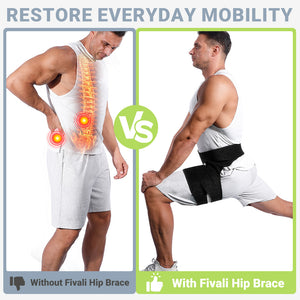
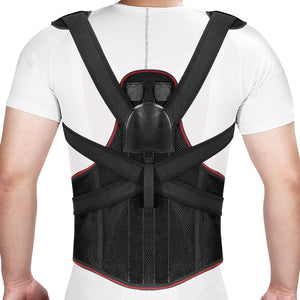
Wearing a back brace for lower back pain provides a physical reminder to maintain proper form. It compresses the abdominal area, which in turn supports the spine and reduces the workload on the waist muscles. This type of support is invaluable during high-intensity chores like gardening or deep cleaning.
Selecting Quality Braces
When choosing a support garment, it is important to look for breathable materials and adjustable tension. A product like Fivali offers the structural integrity needed to stabilize the midsection while allowing for enough range of motion to complete daily tasks. The goal of using such gear is to provide a "second set of muscles" that guards against overextension.
Exercises to Strengthen the Core and Waist
A strong core acts as a natural corset for the body. By strengthening the muscles surrounding the waist, the spine receives better protection from daily wear and tear.
Core Stabilization Movements
-
Bird-Dog: Extending the opposite arm and leg while on all fours builds balance and deep core strength.
-
Plank Variations: Holding a stable position engages the transverse abdominis, which is the muscle layer most responsible for waist stability.
-
Dead Bug: This exercise strengthens the abdominals without putting any strain on the lower back.
Flexibility Routines
-
Cat-Cow Stretch: Moving the spine through its full range of motion helps maintain the health of the intervertebral discs.
-
Hip Flexor Lunges: Opening up the front of the hips reduces the "pull" on the waist area.
-
Torso Rotations: Gentle, controlled twisting helps maintain the elasticity of the obliques and lateral waist muscles.
Ergonomic Lifting Techniques for the Home
Much of the pain experienced in the waist is the result of "micro-injuries" caused by improper lifting. Implementing better mechanics can stop the cycle of pain.
Proper Lifting Mechanics
-
Widening the Base: Keeping feet shoulder-width apart provides a stable foundation.
-
Bending at the Knees: Never bend from the waist; instead, use the power of the legs to lower the body.
-
Keeping the Load Close: Holding objects near the chest reduces the leverage force exerted on the lower back.
Managing Household Loads
-
Dividing Weights: Instead of carrying one massive basket of laundry, move two smaller loads.
-
Using Carts: Utilizing rolling carts for groceries or cleaning supplies eliminates the need for heavy carrying altogether.
-
Height Alignment: Storing frequently used items at waist height prevents unnecessary reaching or bending.
Lifestyle Adjustments for Long-Term Spinal Health
Consistency is the most important factor in managing waist pain. Small, daily choices accumulate to create either a healthy back or a chronic issue.
- Hydration and Tissue Health
The discs between the vertebrae are largely composed of water. Staying hydrated ensures these "shock absorbers" remain plump and effective, preventing the bones of the spine from rubbing together and causing waist pain.
- Footwear Choices
The feet are the foundation of posture. Wearing shoes with adequate arch support can prevent a misalignment that travels up the legs and settles in the waist. High heels or completely flat slippers should be avoided during long periods of standing.
- Stress Management
Stress often manifests physically as muscle tension. The muscles around the waist are particularly susceptible to tightening during periods of high anxiety. Incorporating deep breathing exercises can help the body stay relaxed.
Creating a Recovery-Friendly Environment
The home should be a place where the body can recover from the day's physical demands. Optimizing the environment is a proactive way to reduce discomfort.
Sleep Environment Optimization
-
Body Pillows: Placing a pillow between the knees when sleeping on the side keeps the hips level and the waist aligned.
-
Mattress Firmness: A medium-firm surface is generally considered the most supportive for maintaining the spine's natural shape.
-
Pillow Loft: Ensuring the head pillow is not too high prevents a forward-leaning posture that affects the entire back.
Active Recovery Tools
-
Foam Rollers: Using a roller on the glutes and upper back can indirectly relieve waist tension by loosening the surrounding muscle chains.
-
Massage Balls: Placing a small ball against a wall and leaning into it can help release specific trigger points in the lower back.
The Role of Consistent Support
For many, waist pain is not a one-time event but a recurring challenge. Maintaining a toolkit of solutions is essential for staying functional and pain-free.
Using a back brace for lower back pain is not just for recovery; it can be a preventative measure. Putting on a brace before starting a known "trigger" activity—like vacuuming the whole house—can stop pain before it starts. Brands such as Fivali focus on creating designs that fit into a busy lifestyle, making it easier to prioritize spinal health without slowing down.
Monitoring Progress
Keeping track of which activities trigger pain can help in developing a personalized management plan. Note whether the pain is worse in the morning or evening, and adjust the daily routine accordingly.
Integrating Relief into the Routine
-
Set a timer to stretch every hour.
-
Perform core exercises while watching television.
-
Wear supportive gear during the most physically demanding part of the afternoon.
Relieving waist pain is a multi-faceted process that involves how the body moves, how it is supported, and how it recovers. By focusing on ergonomic habits, strengthening the core, and utilizing reliable support tools, it is possible to manage household duties with comfort and ease. Maintaining a proactive approach ensures that the waist remains strong and resilient for years to come.