Does Waist Trainer Help with Back Pain?
Back pain is one of the most widespread health issues globally, forcing millions of people to search for daily relief. Among the various solutions heavily promoted on social media and health forums, waist trainers frequently pop up as a quick fix. Originally designed for cosmetic waist cinching and body shaping, these garments are often claimed to double as support mechanisms for lower back discomfort. However, understanding whether a waist trainer genuinely alleviates structural discomfort—or simply masks symptoms—requires examining its biomechanical effect on the human spine.
Medical biomechanics and spinal stability rely on internal muscular engagement rather than external compression alone. While waist trainers apply tight pressure around the midsection, their actual impact on spinal alignment, core muscle activation, and back pain relief is far more complex than simple advertisement claims suggest. Exploring how external supports interact with human anatomy helps clarify where waist trainers fall short and where dedicated back support devices provide real, functional value.
The Biomechanics of Waist Trainers and Lower Back Pressure
To evaluate whether a waist trainer aids in mitigating back pain, it is essential to analyze how these compression garments interact with the spine and surrounding musculature. A traditional waist trainer is constructed from rigid or high-compression materials such as latex, neoprene, or boned plastic, designed primarily to pull in the midsection.
Compression vs. Anatomical Support
Waist trainers exert continuous, circumferential compression around the abdominal wall and lumbar area. While this pressure can create a temporary feeling of tightness and stability, compression alone does not equate to targeted spinal stabilization.
-
Abdominal Intra-Pressure: Tight midsection compression increases intra-abdominal pressure, which temporarily reduces the load on lumbar discs.
-
Restricted Mobility: The stiff structure limits bending and twisting, forcing the wearer into an upright stance.
-
Surface-Level Constriction: Compression acts primarily on subcutaneous tissue and surface muscle layers rather than deep spinal stabilizers.
The Impact on Core Musculature
The human spine relies on a complex network of muscles—including the transverse abdominis, multifidus, and pelvic floor—to maintain proper alignment. Prolonged reliance on extreme external compression from waist trainers can lead to unintended consequences for core activation:
-
Muscular Atrophy: Over-reliance on artificial compression causes deep core muscles to disengage, leading to long-term muscular weakness.
-
Shallow Respiration: Restricting the diaphragm alters natural breathing patterns, which are vital for internal abdominal stabilization.
-
Sensory Illusion: The rigid material creates a false sense of core strength without building actual muscle endurance.
Waist Trainers vs. Back Braces for Spinal Alignment
While waist trainers and orthotic braces may look somewhat similar at a glance, their engineering, anatomical intent, and functional materials serve entirely different purposes.
Cosmetic Cinching vs. Orthopedic Stabilization
The primary distinction between standard waist trainers and medical-grade support garments lies in structural design and intent:
-
Waist Trainers: Focus on maximum waist reduction through high-viscosity compression. They squeeze internal organs and soft tissue inward, often escalating pressure on the lower spine.
-
Back Braces: Focus on biomechanical alignment, spinal offloading, and targeted intra-abdominal support without compressing internal organs unsafely.
Structural Comparison Table
| Feature / Aspect | Standard Waist Trainer | Dedicated Back Brace |
| Primary Goal | Cosmetic waist reduction | Spinal stabilization and posture improvement |
| Compression Style | Uniform, circumferential squeeze | Adjustable, targeted lumbar support |
| Impact on Core | Can weaken core muscles over time | Facilitates proper movement and alignment |
| Material Breathability | Low (typically heavy latex or neoprene) | High (breathable mesh, ergonomic stays) |
| Spinal Offloading | Minimal to non-existent | Designed specifically for disc relief |
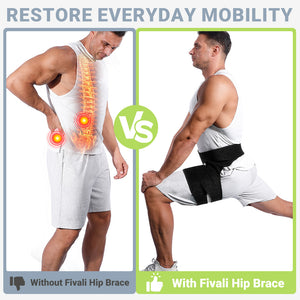
When addressing chronic discomfort, utilizing a designated product like the fivali back brace offers targeted lumbar support structured to reinforce natural spinal curves rather than simply constricting the midsection.
How Posture and Lumbar Support Dynamic Affect Back Pain
Posture plays a pivotal role in the development and relief of back pain. Poor daily habits—such as slouching at a desk, improper lifting techniques, and poor standing alignment—put excess stress on the lumbar vertebrae.
The Illusion of Improved Posture
Wearing a tight waist trainer forces the torso into a hyper-straight posture because the rigid boning physically prevents slouching. However, this posture is passive rather than active.
-
Passive Rigidity: The garment holds the body upright, allowing the body's natural postural muscles to rest instead of working.
-
Rebound Slouching: Once the garment is removed, fatigued muscles struggle even more to maintain an upright position, often worsening posture.
-
Pelvic Tilt Misalignment: Extreme waist cinching can tilt the pelvis unnaturally forward or backward, increasing strain on the lower spine.
Functional Ergonomics and Proper Stabilization
Achieving sustainable relief from back pain requires encouraging active muscle engagement alongside proper external guidance. An ergonomic fivali back brace provides the structural framework necessary to remind the wearer to maintain alignment while permitting natural body movement.
-
Targeted Lumbar Stays: Rigid or flexible stays aligned along the spine stabilize the lower back during physical activities.
-
Adjustable Tension Straps: Dual-pull tension systems allow custom pressure adjustments, ensuring comfortable, non-restrictive support.
-
Promoting Muscle Memory: Proper back support acts as a tactile cue, training the body to hold better posture independently over time.

- Dual Compression Strap
- Ultra-Thin and High-Elastic Fabric
- Effective Lower Back Pain Relief
Potential Risks of Using Waist Trainers for Pain Relief
Relying on a waist trainer as a therapeutic solution for lower back discomfort carries several physical risks that can aggravate existing spinal issues or create new health complications.
Internal Compression and Circulation
The high pressure required to reshape the midsection exerts significant force on internal systems:
-
Organ Displacement: Prolonged tight lacing pushes internal organs out of their natural position, which can strain abdominal tissue.
-
Restricted Blood Flow: Excessive pressure impedes microcirculation in skin and muscle tissues, potentially delaying cellular recovery in sore back muscles.
-
Gastrointestinal Distress: High pressure on the stomach can trigger acid reflux, indigestion, and abdominal discomfort.
Increased Strain on the Lumbar Region
Because waist trainers are not engineered around human spinal biomechanics, they frequently transfer mechanical stress to the wrong areas.
-
Compensatory Movements: Restricting midsection flexibility forces the upper back (thoracic spine) and hips to overcompensate during movement.
-
Increased Disc Pressure: Concentrated lower-edge compression can push against the lower lumbar vertebrae, elevating pressure on intervertebral discs.
-
Exacerbation of Existing Conditions: Conditions like sciatica, spinal stenosis, or herniated discs can deteriorate under improper compression.
Effective Strategies for Long-Term Back Pain Relief
Managing back pain successfully requires a comprehensive strategy focused on strengthening internal structures, improving movement mechanics, and utilizing appropriate supportive equipment when necessary.
Active Core Strengthening Exercises
Developing an internal "muscular corset" is the most effective long-term defense against lumbar strain.
-
Planks and Side Planks: Build isometric endurance in the deep abdominal wall and obliques.
-
Bird-Dogs: Enhance spinal stability and balance by engaging core muscles and back extensors simultaneously.
-
Glute Bridges: Strengthen the posterior chain, reducing unnecessary workload on the lower back muscles.
Ergonomic Modifications and Habits
Small daily adjustments significantly reduce wear and tear on the spine over time.
-
Optimize Workstations: Keep computer screens at eye level and use supportive seating that preserves the natural lumbar curve.
-
Safe Lifting Techniques: Bend at the knees and hips rather than rounding the lower spine when lifting objects.
-
Frequent Movement Breaks: Avoid prolonged sitting by standing and stretching every 30 to 45 minutes.
Utilizing Proper Orthopedic Support
When external assistance is needed during recovery, workouts, or long working hours, using a purpose-built back brace provides safe, practical protection. The Fivali brand develops ergonomic solutions tailored to body mechanics, ensuring users gain stable support without sacrificing comfort or safety. Incorporating a well-designed fivali back brace during heavy lifting or extended periods of standing helps protect vulnerable spinal structures while keeping the body mobile.
Finding the Right Path to Lower Back Comfort
While waist trainers may temporarily force an upright posture, they are not designed to resolve or treat back pain. Their intense, uniform compression can weaken deep core muscles, restrict natural breathing, and potentially increase stress on the lumbar spine over time. Real, lasting comfort relies on building genuine core strength, practicing good ergonomics, and using orthopedic tools engineered specifically for spinal support. Incorporating a specialized fivali back brace during demanding physical tasks offers functional, ergonomic reinforcement that protects the lower back while respecting natural human movement.
-
Posted in
Back pain solutions, Brace