How to Get Rid of Body Pain After Volleyball?
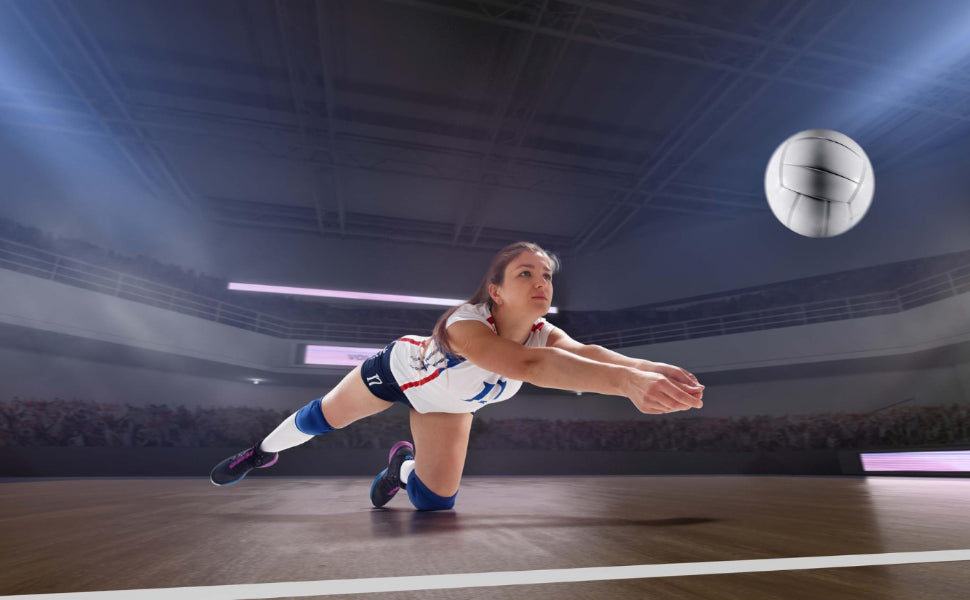
Volleyball places dynamic demands on the human body, requiring explosive jumps, rapid lateral shifts, continuous overhead reaching, and high-velocity impacts. Whether blocking at the net, diving for a dig, or spiking from the backcourt, athletes frequently experience localized muscle soreness, joint stiffness, and acute joint strain. Prompt recovery protocols help reduce systemic fatigue and support long-term musculoskeletal health. Implementing targeted recovery techniques allows players to bounce back quickly and maintain peak physical performance throughout the competitive season.
Post-Match Pain Profiles: Muscle vs. Joint Discomfort
Aggressive movement patterns inherent to the sport subject various muscle groups and connective tissues to high levels of mechanical stress. Recognizing the specific origin of discomfort is the primary step in selecting an appropriate recovery strategy.
Lower Extremity Overload and Delayed Soreness
Eccentric muscle contractions during landing and deceleration generate micro-tears in muscle fibers, leading to delayed muscle soreness. Vertically jumping to attack or block strains the quadriceps, hamstrings, and calves, while repeated overhead serve and spike motions load the rotator cuff and upper back muscles. Pain typically peaks 24 to 48 hours post-match as the body initiates tissue repair.
Impact Trauma to Digits and Hands
Fingers and thumbs bear the brunt of mechanical force when contacting a hard-driven ball. Misjudging a block or absorbing a heavy spike can force digits into unnatural positions. Over-extending or jamming the thumb joint leads to acute pain, localized swelling, and ligament damage. A severe volleyball thumb injury can restrict hand mobility and delay a player's return to the court if immediate protective measures are neglected.
Immediate Phase: Post-Game Decompression Techniques
Taking structured action immediately after stepping off the court limits secondary tissue damage and speeds up the removal of metabolic waste products.
Active Circulation and Temperature Management
Stopping physical activity abruptly causes blood to pool in the extremities. Performing 5 to 10 minutes of low-intensity aerobic activity, such as light jogging or stationary cycling, keeps circulation active and helps maintain healthy muscle length.
Applying cold packs to affected joints within 20 minutes of play constricts blood vessels, minimizing internal swelling and numbing acute pain. Cold therapy is particularly useful for managing a volleyball thumb injury or relieving acute knee soreness. Conversely, applying moist heat 48 hours later relaxes hypertonic muscles, dilates blood vessels, and enhances nutrient delivery to healing tissues.

Rehabilitation Phase: Soft Tissue Release and Joint Support
Systematic myofascial release and active mobility work break up scar tissue, optimize muscle elasticity, and prevent chronic pain syndromes.
Foam Rolling Focus Areas
Self-myofascial release using a high-density foam roller targets fascia restrictions in overloaded tissues. Focusing on specific muscle groups optimizes range of motion:
-
Quadriceps and IT Bands: Roll continuously from the upper hip to just above the knee joint for 60 to 90 seconds to ease knee joint friction.
-
Thoracic Spine and Upper Back: Support the head and roll along the mid-back area to relieve tension caused by forceful spiking motions.
-
Glutes and Piriformis: Cross one ankle over the opposite knee and pivot over the hip gluteal complex to relieve lower back pressure.
Joint Stabilization and Taping Protocols
Proper external support safeguards vulnerable joints while soft tissues repair. Knowing How to Wrap a Thumb for Volleyball using rigid athletic tape or elastic dynamic tape provides targeted stability to the basal joint, restricting hyper-extension without eliminating essential functional movement.
Utilizing a specialized thumb brace for volleyball during off-court recovery phase reinforces joint alignment and supports faster soft tissue recovery. High-quality support designs from brands like Fivali offer ergonomic stabilization, allowing players to recover efficiently without sacrificing comfort or daily mobility. Wearing a dedicated volleyball thumb brace delivers structural alignment, dampens impact forces, and protects vulnerable joints during routine post-match tasks.
Long-Term Prevention: Conditioning and Alignment
A robust body resists fatigue, absorbs high-velocity impacts, and recovers rapidly between matches. Incorporating preventative strategies into regular training cycles minimizes recurring post-game pain.
Core and Kinetic Chain Reinforcement
Building balanced strength around major structural joints distributes impact forces evenly across the kinetic chain. Strengthening the deep core muscles stabilizes the pelvis during jumping and landing phases, reducing lower back strain. Rotator cuff exercises using resistance bands strengthen the deceleration phase of the spiking motion, stabilizing the shoulder joint.
Protective Hand Maintenance Practices
Maintaining hand strength and joint integrity reduces the frequency of traumatic sprains. Implementing protective measures prior to competition keeps digits secure:
-
Grip and Extension Exercises: Perform regular hand conditioning using resistance bands to fortify tendons around the wrists and fingers.
-
Proactive Taping: Apply supportive taping before high-intensity practice to act as a preventative barrier against a severe volleyball thumb injury.
-
Ergonomic Support Integration: Wear a flexible thumb brace for volleyball during drills to absorb shock from direct ball contact.
☆ Fivali Top Picks

- Thumb Protection
- Metal Support
- Aid in Injury Recovery
- Seamless Integration into Daily Life
Daily Maintenance: Systematic Recovery Habits
Consistent daily habits maximize tissue repair, lower systemic stress, and keep players performing at high standards. Deep sleep stages trigger growth hormone secretion, which drives cell repair and muscle tissue rebuild. Aiming for 8 to 9 hours of quality sleep per night accelerates physical recovery, sharpens reaction times, and balances nervous system fatigue.
Alternating between warm and cold water immersion stimulates rapid vasodilation and vasoconstriction. This pumping action enhances systemic blood flow, reduces muscle soreness, and promotes metabolic waste clearance from deep muscle beds. Combining hydrotherapy with active rest days keeps the body agile for upcoming training sessions.
Restoring Peak Athletic Performance
Overcoming body pain after intense volleyball matches requires a multi-faceted approach combining active cool-downs, targeted myofascial release, proper nutrition, and targeted external support. Utilizing protective equipment like a volleyball thumb brace ensures soft tissues recover properly after severe impacts. Integrating structured conditioning protocols alongside proper stabilization techniques minimizes pain, protects joint integrity, and keeps players performing comfortably at full potential.
-
Posted in
Joint, Recovery, Wrist Injury