Back to School Fitness: How Students Can Prevent Sports Injuries This School Year

As students return to classrooms, high school and middle school athletic programs resume full operations across the country. School sports seasons foster teamwork, physical fitness, and personal development. However, the sudden shift from summertime leisure to intense athletic conditioning brings a sharp rise in bodily stress. Implementing structured injury prevention strategies allows student athletes to maintain peak performance while staying safe on the field, court, and track.
Why Sports Injury Prevention Matters During the School Season
The autumn semester represents one of the busiest periods for school sports activities. Student athletes across various disciplines engage in rigorous training schedules to prepare for competitive play.
Autumn serves as a major peak for school sports:
-
Football: High-impact collisions, rapid changes of direction, and heavy physical contact require extensive bodily preparation.
-
Volleyball: Continuous jumping, rapid lateral shuffling, and overhead striking put repeated stress on upper and lower extremities.
-
Basketball training: Year-round court drills, jumping exercises, and quick deceleration movements place strong demands on joints.
-
Running: High-mileage track and cross-country workouts subject the lower body to continuous ground impact.
A sudden increase in training intensity after summer break frequently leads to physical strain. When student athletes move rapidly from relative rest to full-speed athletic drills, the body struggles to adapt quickly. This transition often triggers severe Knee pain, an acute Ankle sprain, a painful Muscle strain, or chronic Joint fatigue. Establishing consistent body conditioning and biomechanical support reduces these risks substantially.
Common Sports Injuries Among Student Athletes
Understanding the primary types of physical trauma that affect young competitors helps coaches, parents, and athletes recognize early warning signs before minor aches become debilitating problems.
Knee Injuries and Patellar Issues
The knee joint absorbs enormous dynamic loads during acceleration, jumping, and stopping:
-
ACL injury: Anterior cruciate ligament tears frequently occur during non-contact pivot movements, sudden stops, or awkward landings from jumps.
-
Runner's knee: Also known as patellofemoral pain syndrome, this overuse condition causes aching around the kneecap due to continuous repetitive impact.
-
Patellar pain: Tendon inflammation directly below the kneecap stems from rapid increases in jumping or running volume without adequate recovery.
Ankle Sprains in Court and Field Sports
Ligament damage around the ankle joint remains the single most common lower-limb trauma in youth athletics:
-
Frequent occurrence: Extremely common in football, basketball, and volleyball due to unpredictable surface contact and rapid footwork.
-
Mechanism: Sudden changes of direction, landing on an opponent's foot, or rolling the foot inward stretches or tears lateral stabilizing ligaments.
Shoulder and Elbow Injuries from Overhead Movements
Upper extremity strain primarily affects athletes involved in throwing or overhead striking sports:
-
Baseball: Repetitive overhand pitching places immense stress on the medial elbow ligaments and rotator cuff tendons.
-
Tennis: High-velocity serves and forehand drives demand repetitive wrist extension and shoulder rotation.
-
Volleyball: Repeated spiking and serving generate continuous torque through the shoulder girdle.
7 Essential Back to School Fitness Tips for Student Athletes
Adopting a methodical approach to daily training safeguards youth athletes against structural breakdown throughout the academic calendar.
Progressive Training Load Strategy
Returning to full-intensity drills immediately after weeks of summertime rest invites tissue breakdown. Athletic conditioning must build gradually over several weeks. Increasing workout duration, volume, and intensity by small incremental percentages allows muscles, tendons, and ligaments to adapt without overloading.
Dynamic Warm-Up Protocols
Every athletic session should open with active movements rather than static stretching. Dynamic warm-up routines elevate core body temperature, increase blood circulation to working muscles, and prime the nervous system for explosive movements. Effective protocols include leg swings, high knees, walking lunges, and mobility exercises for major joints.
Targeted Joint Stabilization Exercises
Building strength in the muscles surrounding primary joints provides an internal shock-absorption system. Exercises focusing on knee stability—such as single-leg squats and Romanian deadlifts—strengthen the quadriceps and hamstrings. Meanwhile, ankle flexibility and balance training on unstable surfaces reinforce lateral stabilizers.
Utilization of Protective Athletic Gear
External supports provide crucial stabilization during high-impact athletic movements:
-
Structural knee brace support: Provides lateral support and patellar tracking alignment during demanding lateral movements.
-
Protective ankle brace options: Limits excessive inversion and eversion without restricting natural dorsiflexion required for running.
Selecting high-quality equipment, such as protective gear from Fivali, delivers dependable structural alignment for young competitors navigating tough training routines.
☆ Fivali Top Picks
|
Plus Size Knee Brace for Sports with Rubber Pad FKH04 – 1 Pack
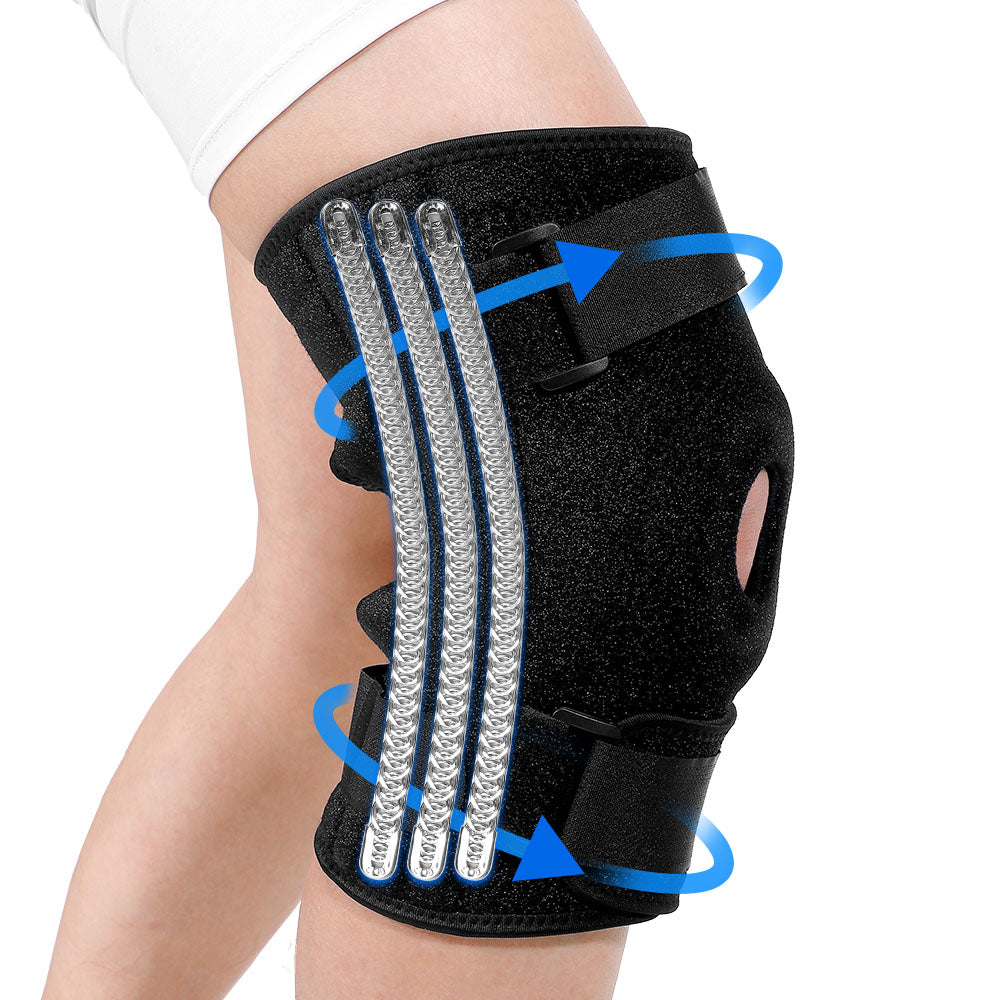 • Triple Metal Springs Stabilizers for Reinforcement
• Plus Size Fit for Obese People, Large Legs • 3D Breathable Circular Wrapping • Flexible Velcro Design for Strong Adhesion • Zero Slip During Lifts, Bends, Walks |
Fivali Adjustable Compression Ankle Stabilizer Brace 1 Pack FAH02
 • Great Ankle Compression
• 2 Side Panels for Upgraded Support • Ultra‑Breathable and Stretchy Material • Slim Design to Fit Your Any Shoes • Comfort & Freedom on Active Movement |
Monitoring Physical Signals
Distinguishing between normal muscle soreness and early injury pain prevents severe tissue trauma. Muscle soreness typically feels like a dull ache across broad muscle groups 24 to 48 hours after exercise. Sharp, localized joint discomfort or swelling signals potential structural harm that requires immediate rest and professional evaluation.
Hydration and Systemic Function
Adequate fluid intake maintains joint lubrication, muscle elasticity, and metabolic function. Student athletes must hydrate consistently before, during, and after physical activity. Proper hydration prevents early onset fatigue, which is a major contributing factor to poor form and accidental mechanical injuries.
Structured Post-Training Recovery
Physical adaptations occur during recovery periods rather than active workouts. Youth athletes need eight to ten hours of quality sleep nightly to facilitate tissue repair. Incorporating light cool-down walks, post-workout nutrition rich in proteins and carbohydrates, and scheduled rest days preserves long-term athletic durability.
Choosing the Right Sports Braces for Student Athletes
Selecting appropriate external support devices tailored to specific athletic disciplines enhances safety and boosts performance confidence.
Football Protection
Gridiron athletes endure constant impact and unpredictable physical contacts. A specialized football knee brace offers rigid lateral reinforcement to protect internal ligaments against contact forces, stabilizing the joint during heavy blocking and tackling drills.
Basketball Support
Court sports require rapid acceleration, sharp cuts, and continuous vertical jumping. Utilizing Basketball Ankle Braces stabilizes the talocrural joint, significantly reducing rolling risks during tight turns or when landing near other players' feet.
Volleyball Reinforcement
Repetitive striking and diving drills create unique mechanical demands on upper extremities. Wearing a Volleyball Wrist Brace provides necessary joint stabilization during impact with the ball while defending against hyper-extension during floor dives.
Running Mechanics
Distance runners subject their lower joints to thousands of repetitive strikes per session. A light Running Knee Brace aids patellar tracking, reduces continuous ground-vibration stress, and minimizes localized inflammation over long distances.
Weight Training and Power Sports
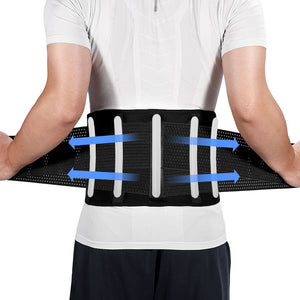
Off-season strength conditioning and high-load gym routines place heavy compression forces on the lumbar spine. Applying a supportive Back Brace Support reinforces core stability, maintains proper spinal alignment during squats or deadlifts, and guards against lower back strain.

Long-Term Health Strategies for Youth Athletes
Prioritizing physical preparation, structural reinforcement, and proper recovery transforms the school sports experience into a safe, rewarding endeavor. By taking proactive steps to manage training stress and adopting specialized protective equipment, student athletes build a resilient physical foundation that supports sustainable performance throughout the entire school year.
-
Posted in
sports