Is a Compression Sleeve Good for Elbow Bursitis?

Dealing with a swollen, painful elbow can make even the simplest daily tasks—like reaching for a coffee mug or typing on a keyboard—feel like a monumental challenge. When the small, fluid-filled sac at the tip of the elbow becomes inflamed, a condition known as elbow bursitis, finding immediate relief becomes the top priority. One of the most common questions for those navigating this discomfort is whether a compression sleeve is an effective tool for recovery.
Elbow bursitis, often referred to as "student's elbow" or "miner's elbow," occurs when the olecranon bursa is irritated. This results in visible swelling, tenderness, and restricted movement. Compression therapy has long been a staple in sports medicine for managing soft tissue injuries, but its application specifically for bursitis requires a nuanced understanding of how pressure affects fluid accumulation and joint mechanics.
Mechanics of Elbow Bursitis and Compression
The olecranon bursa sits between the loose skin and the pointy bone at the back of the elbow. In its healthy state, it is nearly flat, providing a frictionless surface for the skin to glide over the bone. When it becomes inflamed due to trauma, repetitive pressure, or certain systemic conditions, it fills with excess fluid, creating a protrusion that looks like a small ball under the skin.
A compression sleeve works by applying graduated external pressure to the tissues surrounding the joint. This pressure serves a dual purpose: it limits the space available for fluid to accumulate and encourages the lymphatic system to reabsorb existing swelling. By compressing the area, the sleeve helps stabilize the bursa, preventing it from being further irritated by the constant rubbing of skin against bone during arm extension and flexion.

Benefits of Using a Compression Sleeve
- Reduction of Edema and Swelling
The most immediate benefit of a compression sleeve is its ability to manage edema. Because the bursa is located just beneath the skin, it is highly reactive to external pressure. A well-fitted sleeve provides a consistent "squeeze" that prevents the bursa from expanding further. This is particularly useful after an acute injury or during a flare-up caused by repetitive activity.
- Improved Proprioception and Stability
Wearing a sleeve increases proprioception, which is the body's ability to perceive its position in space. For someone with an elbow injury, this heightened awareness often leads to more careful movement patterns, reducing the likelihood of accidental bumps or jarring motions that could exacerbate the inflammation. While it does not provide the rigid immobilization of a heavy-duty elbow support brace, a sleeve offers enough tactile feedback to remind the wearer to protect the joint.

- Heat Retention and Blood Flow
Most compression sleeves are made from materials like neoprene or high-grade elastic blends that retain body heat. Warmth helps keep the surrounding muscles and tendons supple, which can alleviate the secondary stiffness often associated with bursitis. Increased localized warmth also promotes blood circulation, which is essential for the natural metabolic processes that clear inflammatory markers from the injured site.
Choosing Between a Sleeve and an Elbow Support Brace
When managing elbow bursitis, it is important to distinguish between a lightweight sleeve and a more robust elbow support. Each serves a specific function depending on the severity of the condition and the activity level of the individual.
Comparison of Support Levels
- Compression Sleeves: These are typically thin, breathable, and designed for all-day wear. They provide mild to moderate compression and are ideal for low-impact daily activities or the later stages of recovery.
- Elbow Support Brace: A dedicated elbow support for tendonitis often includes straps, padding, or even structural stays. These are better suited for individuals who need to prevent the elbow from reaching certain angles or for those who work in environments where the elbow is prone to direct impact.
When to Prioritize Padding?
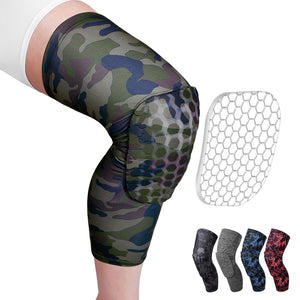
For bursitis specifically, a sleeve with an integrated silicone or foam pad over the olecranon process is often superior to a standard tubular sleeve. The padding provides a "shield" for the bursa, allowing the wearer to rest their arm on a desk or table without putting direct pressure on the inflamed sac.
1. Proper Application and Fit
The effectiveness of compression is entirely dependent on the fit. A sleeve that is too tight can restrict arterial blood flow or pinch nerves, leading to numbness and tingling in the hand. Conversely, a sleeve that is too loose will fail to provide the necessary hydrostatic pressure required to move fluid out of the bursa.
2. Measuring for the Correct Size
To find the right fit, measurements should be taken around the widest part of the forearm and the mid-bicep. Most manufacturers provide a sizing chart based on these circumferences. If the measurement falls between two sizes, opting for the smaller size usually provides better therapeutic compression, provided it does not cause discomfort.
3. Material Considerations
- Neoprene: Offers excellent heat retention and durability but may cause sweating or skin irritation during prolonged use.
- Knit Fabric: Highly breathable and moisture-wicking, making it suitable for exercise or hot climates. Knit sleeves often provide "targeted" compression zones that are tighter around the joint and looser at the edges.
- Copper-Infused Fabrics: While popular in marketing, the primary benefit of these fabrics is usually the quality of the compression itself rather than the copper content.
Integration with the RICE Protocol
A compression sleeve is most effective when used as part of a broader management strategy. The RICE acronym (Rest, Ice, Compression, Elevation) remains the standard approach for soft tissue inflammation.
- Rest: Avoiding the activity that caused the irritation.
- Ice: Applying cold packs to the bursa to constrict blood vessels and numb pain.
- Compression: Using the elbow support to manage the volume of the swelling.
- Elevation: Keeping the elbow above the level of the heart whenever possible to allow gravity to assist in fluid drainage.
The sleeve essentially handles the "C" in RICE, but it cannot compensate for a lack of rest. If an individual continues to put pressure on the elbow while wearing a sleeve, the bursa is unlikely to heal.
Activity Modification and Integration
Using a compression sleeve should coincide with changes in movement patterns. The sleeve acts as a mechanical aid, but the underlying cause of the bursitis—often repetitive friction—must be addressed.
- Office Work and Ergonomics
For those who develop bursitis from leaning on a desk, a compression sleeve provides a layer of cushioning. However, it is equally important to adjust the height of the chair or use a keyboard tray to ensure the elbows are not constantly compressed against hard surfaces.
- Physical Training
During exercise, a sleeve can help manage the "pumping" action of the muscles, which might otherwise increase fluid flow to an inflamed area. Using an elbow support during weightlifting or repetitive tasks can provide the structural integrity needed to perform movements without stressing the posterior aspect of the elbow joint.
Long-Term Management Strategies
Once the initial swelling of elbow bursitis has subsided, the role of the compression sleeve shifts from active treatment to prevention.
- Gradual Weaning
As the bursa returns to its normal size and the pain dissipates, the reliance on the sleeve can be reduced. Starting with a few hours of "off" time during low-activity periods allows the tissues to regain their natural tone and adaptability.
- Maintenance of the Sleeve
To ensure the elbow support remains effective, it must be cared for properly. Over time, elastic fibers break down, especially when exposed to sweat and frequent washing. Replacing a sleeve every 3 to 6 months ensures that the compression levels remain consistent and therapeutic.
Summary of Compression Efficacy
A compression sleeve is a highly effective, non-invasive tool for managing the symptoms of elbow bursitis. By providing consistent external pressure, it helps control swelling, provides a protective barrier against minor impacts, and improves the wearer's awareness of their joint positioning. While it may not be sufficient for cases requiring total immobilization—where a more rigid Fivali elbow brace compression support would be appropriate—it remains a versatile option for the majority of sufferers.
Successful recovery depends on choosing a sleeve with the right balance of pressure and comfort, ensuring it includes padding if direct pressure is a concern, and using it consistently during activities that typically trigger irritation. When used correctly, compression therapy can significantly accelerate the return to normal function and reduce the discomfort associated with this common joint condition.