Is There a Brace for Rotator Cuff Injury?
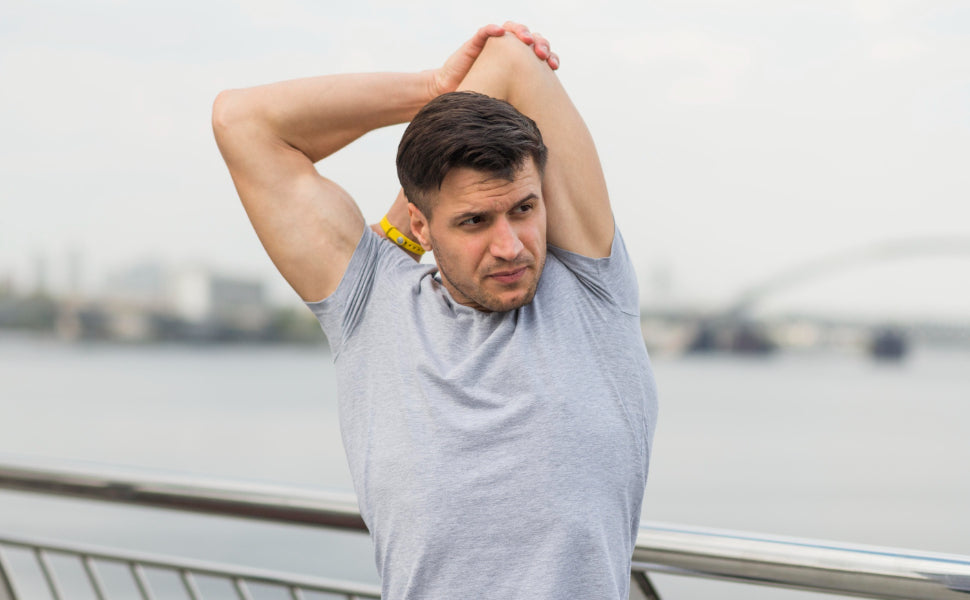
Recovering from a rotator cuff injury presents a complex physical challenge for outdoor enthusiasts, athletes, and active individuals alike. The shoulder joint offers exceptional mobility, which inherently reduces its structural stability. When the tendons surrounding the upper arm bone suffer tears, strains, or inflammation, maintaining proper support becomes a top priority during daily activities and athletic performance. Understanding how supportive devices aid the rehabilitation process empowers individuals to select appropriate gear for active recovery.
Understanding Shoulder Support for Rotator Cuff Recovery
Rotator cuff injuries stem from repetitive overhead motions, sudden impact, or progressive tissue wear over time. While serious injuries often necessitate medical evaluation and physical therapy, external support plays a major role in managing comfort during routine movements.
How Shoulder Braces Provide Anatomical Support
A dedicated brace offers structural reinforcement by limiting movements that stress the rotator cuff tendons. Proper application helps maintain alignment, gentle compression, and localized warmth.
Compression improves blood circulation to surrounding muscular tissues, which assists in easing localized stiffness. Furthermore, gentle sensory pressure keeps the wearer aware of joint positioning, reducing sudden or erratic movements during physical exercise.
Primary Functions of Brace Support
Supportive devices for rotator cuff issues serve three main functional roles during daily routines:
- Dynamic Stabilization: Helping restrict extreme external rotation or high overhead extensions that agitate torn or inflamed tendons.
- Pain Reduction through Compression: Providing consistent thermal insulation and elastic tension around the glenohumeral joint.
- Postural Alignment: Drawing the shoulders back to prevent slouching, which minimizes impingement on sensitive subacromial structures.
Types of Braces Designed for Shoulder Conditions
Selecting the correct model depends heavily on the severity of the tendon strain, daily activity levels, and personal comfort preferences.
Neoprene Sleeves and Dynamic Wraps
Flexible neoprene wraps are common for mild strains, swelling control, and everyday joint warming. These products wrap around the chest and upper arm, offering lightweight stability without restricting healthy range of motion.
For active individuals returning to trail running, hiking, or field sports, dynamic wraps offer a balanced mix of freedom and control.
Adjustable Immobilizers and Sling Systems
Sling immobilizers are structured to hold the upper arm completely still against the torso. These rigid systems are generally reserved for post-surgical recovery or acute, severe tendon tears where any joint motion risks further tissue damage.
Targeted Sports Braces
Athletes engaged in high-impact or repetitive overhead sports often seek targeted equipment to protect vulnerable joints during aggressive movements. Products like a volleyball shoulder brace are designed specifically to withstand repeated overhead spiking and serving actions while retaining full range of joint movement. Choosing the best shoulder brace for sports ensures that performance stays high while structural vulnerabilities remain protected.
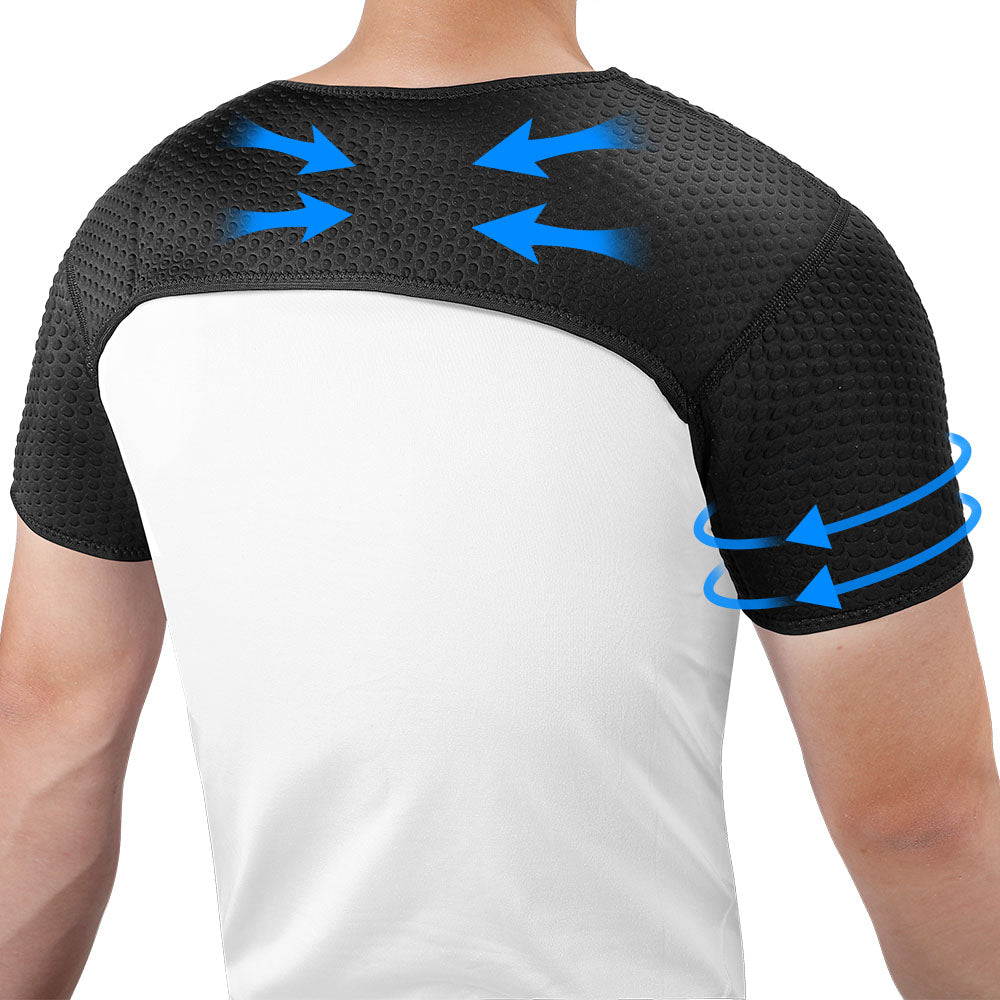
✧ Fivali Double Shoulder Compression Sleeve for Sports and Daily Lives FSR01
- Soft and Comfortable Fabric
- Provides Stability During Physical Activity
- Helps Pain Relief and Injury Prevention
- Gently Compresses and Supports Sore Muscles and Joints
- Thin and Lightweight Design
Features to Evaluate When Choosing a Shoulder Brace
The efficacy of a protective device relies on material quality, adjustment capabilities, and proper fit.
Material Selection and Breathability
Because outdoor activities involve sweat and varying weather conditions, moisture-wicking fabric is essential. High-grade neoprene, breathable mesh panels, and anti-microbial linings prevent skin irritation during prolonged wear.
Strap Adjustability and Security
A quality brace features strong hook-and-loop fasteners alongside adjustable chest straps. Custom fit options allow users to calibrate compression levels based on current recovery phases or specific activity demands.
Range of Motion and Anatomical Fit
Over-restricting a shoulder joint can lead to joint stiffness over time. The ideal design provides robust stabilization at the end-ranges of motion while permitting normal movement during controlled physical exertion.
Integrating Shoulder Braces into an Active Lifestyle
Using protective gear effectively requires clear strategies tailored to individual fitness routines and functional needs.
Trail Running and Hiking Adaptations
Trail navigation requires active arm swinging for balance. A well-fitted brace keeps the shoulder joint centered, reducing jarring impacts transmitted through trekking poles or sudden falls on uneven terrain.
Water Sports and Paddling Activities
Kayaking, canoeing, and paddleboarding demand continuous internal and external arm rotation. Utilizing supportive braces for the shoulder during water training helps distribute pull forces across larger back muscles, taking direct pressure off small rotator cuff tendons.
Court Sports and High-Impact Athletics
Volleyball, tennis, and basketball place high demands on upper-limb joints. Wearing a specialized volleyball shoulder brace allows players to generate overhead power while protecting sensitive tissue from overextension. Investing in the best shoulder brace for sports gives active players the confidence needed to return to competitive environments safely.
Quality Engineering in Modern Athletic Support
Modern sports gear manufacturers focus on ergonomic designs that mirror natural human movement. Brands like Fivali design anatomical wraps that combine elastic compression with targeted strapping systems, ensuring that active individuals maintain stability without sacrificing agility.
Proper alignment, flexible chest bands, and durable fasteners remain key hallmarks of high-performance orthopedic gear engineered for long-term durability.
Proper Maintenance and Usage Strategies
To maximize the longevity and performance of supportive gear, proper maintenance and wear habits are necessary.
Cleaning and Fabric Care
Sweat, dirt, and body oils break down synthetic fabrics over time. Hand washing orthopedic supports in cold water with mild soap preserves elastic fibers and maintains structural integrity. Air drying out of direct sunlight prevents shrinkage and material degradation.
Gradual Usage Rules
Relying entirely on external joint supports can lead to secondary muscular weakness if worn continuously without engaging core shoulder muscles. Utilizing braces for the shoulder during high-risk physical activities while allowing the joint to rest untethered during quiet periods supports natural strength retention.
Key Considerations Before Buying Support Gear
Finding the ideal product requires analyzing personal daily demands, comfort requirements, and physical exertion levels.
Sizing Accuracy
Accurate measurements of chest circumference and upper arm diameter are critical. A brace that is too tight restricts blood flow, while a loose wrap offers insufficient structural support.
Bilateral Versatility
Many modern designs offer universal fits suitable for either the left or right shoulder. This versatility adds long-term value for athletes managing bilateral joint fatigue or alternating recovery needs.
Ease of Application
Self-application is a vital feature for independent athletes. Look for designs featuring front-facing tension straps and quick-release buckles that allow one-handed adjustment.
Maximizing Recovery and Long-Term Joint Stability
Restoring strength and mobility to damaged rotator cuff tendons demands patience, proper mechanics, and appropriate equipment. Incorporating stabilization gear into routine training sessions shields vulnerable joints against unexpected shocks, excessive stress, and repetitive strain. Modern designs allow outdoor enthusiasts, court athletes, and active individuals to pursue their passions while maintaining essential joint protection. Selecting properly fitted gear equips every user with the stability required to navigate active pursuits with peace of mind.
-
Posted in
Brace, shoulder, Shoulder pain