Should You Brace When Running?
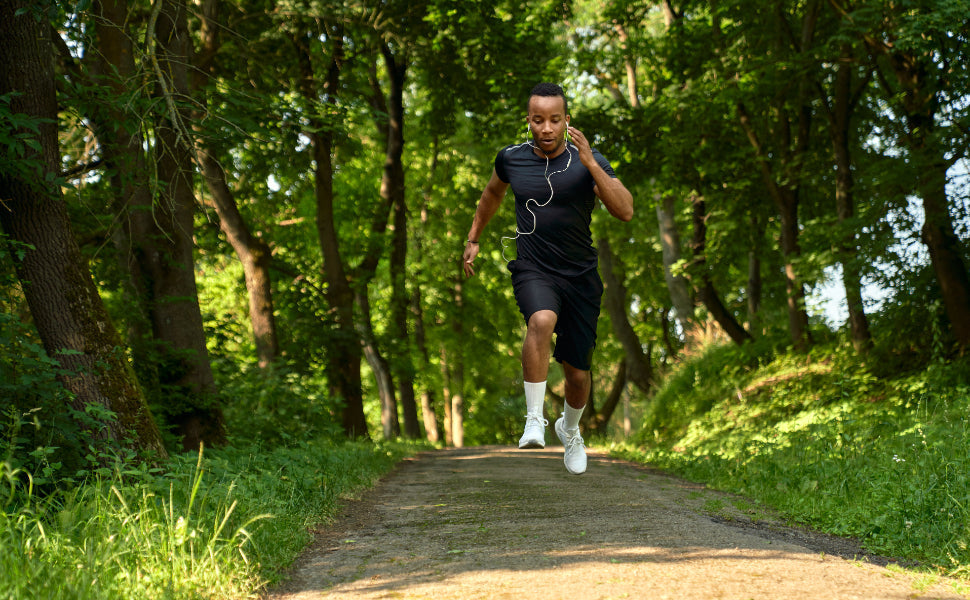
Running is a high-impact activity that challenges the human body’s structural integrity with every stride. For many athletes, the question of whether to wear a running brace is a pivotal point in their training journey. While the body is remarkably adaptable, the repetitive nature of long-distance running or sprinting can place immense stress on the musculoskeletal system. Understanding when to implement external support and how it integrates with a comprehensive fitness strategy is essential for longevity in the sport.
The Critical Importance of Joint Protection for Runners
Joint protection is not merely about avoiding pain; it is about preserving the mechanical efficiency of the body over decades. Every time a runner’s foot strikes the ground, the impact forces can reach up to three to four times their body weight. These forces are absorbed by the cartilage, ligaments, and tendons of the feet, ankles, knees, and hips.
Without adequate protection—whether through natural biological shock absorption or external aids—these tissues undergo micro-trauma. Over time, cumulative stress can lead to degenerative changes such as osteoarthritis or chronic inflammation. Protecting the joints ensures that the structural "hardware" of the runner remains functional, allowing the cardiovascular "software" to continue improving without being sidelined by physical breakdowns.

Biomechanics of Running: Impact on the Joints
The biomechanics of running involve a complex kinetic chain. The process begins with the initial contact phase, where the heel or midfoot hits the ground, creating a ground reaction force. This force travels upward through the ankle, which must provide stability while allowing for necessary pronation.
The knee acts as the primary shock absorber in this chain. During the stance phase, the knee flexes slightly to dissipate energy, putting significant pressure on the patellofemoral joint. If the alignment of the hip or the stability of the ankle is compromised, the knee often compensates by twisting or collapsing inward. This misalignment increases friction and uneven wear on the articular surfaces. Understanding this chain reaction explains why a knee brace for running is often used to maintain proper patellar tracking and structural alignment during high-mileage weeks.
Indicators That Joints Require Extra Support
Recognising the early warning signs of joint distress can prevent a minor ache from becoming a season-ending injury. The body often communicates its limits through subtle physical cues before sharp pain occurs.
- Localized Swelling: Persistent puffiness around the kneecap or ankle bone after a run indicates inflammation within the joint capsule.
- Instability or "Giving Way": A sensation that the joint is loose or might collapse during lateral movements or uneven terrain suggests ligamentous laxity.
- Morning Stiffness: If joints feel rigid or "rusty" for the first twenty minutes after waking up, it may be a sign of overworked cartilage.
- Crepitus: Audible grinding or popping sounds accompanied by discomfort often point to tracking issues or surface friction within the joint.
Common Running Injuries and Their Underlying Causes
Most running injuries are overuse injuries, resulting from the "too much, too soon" phenomenon. When the volume or intensity of training exceeds the tissue's ability to repair itself, injury occurs.
- Patellofemoral Pain Syndrome (Runner’s Knee)
This is often caused by improper tracking of the kneecap in the femoral groove. Weak hip abductors or excessive pronation can cause the patella to rub against the bone, leading to dull, aching pain behind the kneecap.
- Achilles Tendonitis
Repeated stress on the tendon that connects the calf muscles to the heel bone causes inflammation. This is frequently linked to tight calf muscles, poor footwear, or a sudden increase in hill training.
- Iliotibial (IT) Band Syndrome
The IT band is a thick band of fascia that runs from the hip to the knee. When it becomes too tight, it rubs against the outside of the knee joint. This is often a result of weak gluteal muscles and repetitive flexion-extension cycles.
- Ankle Sprains and Chronic Instability
Tearing or stretching the ligaments on the outside of the ankle is common when running on trails or uneven surfaces. Once a ligament is stretched, an ankle support for running may be necessary to provide the proprioceptive feedback needed to prevent recurrent rolls.
Enhanced Comfort and Risk Reduction Through Bracing
Utilising a running brace serves two primary functions: mechanical stabilisation and proprioceptive enhancement. Mechanically, a brace limits excessive or harmful ranges of motion, such as the inward collapse of the knee or the rolling of an ankle. By keeping the joint within its optimal "safety zone," the brace reduces the shearing forces that damage tissue.
From a proprioceptive standpoint, the compression provided by a brace increases the brain’s awareness of the joint's position in space. This heightened sensory input allows the surrounding muscles to fire more efficiently, providing dynamic stability. For a runner recovering from an old injury, this added support can reduce the psychological fear of re-injury, allowing for a more natural and fluid running gait.
Strengthening and Flexibility Drills to Complement Bracing
A brace should be viewed as a tool, not a crutch. To achieve long-term joint health, it must be paired with exercises that build the body’s internal support system.
- Targeted Strength Work
- Glute Bridges: Strengthening the posterior chain helps control hip rotation, which directly impacts knee alignment.
- Single-Leg Squats: These improve balance and strengthen the quadriceps and stabilisers around the knee.
- Calf Raises: Building resilient calf muscles protects the Achilles tendon and provides better "pop" during the toe-off phase.
- Flexibility and Mobility
- Dynamic Stretching: Leg swings and hip circles before a run prepare the joints for the range of motion required.
- Myofascial Release: Using a foam roller on the quads, calves, and IT bands can alleviate the tension that pulls joints out of alignment.
- Ankle Dorsiflexion: Improving the upward flex of the foot prevents the knee from overcompensating during the gait cycle.
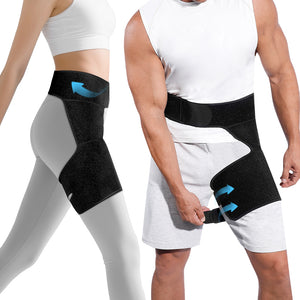
Fivali Recommendation

- Premium Breathable & Elastic Materials
- Adjustable Straps for Secure Fit
- Great Ankle Compression
- Speed up Ankle Recovery & Pain Relief

- Triple Metal Springs Stabilizers for Reinforcement
- Plus Size Fit for Obese People, Large Legs
- 3D Breathable Circular Wrapping
- Flexible Velcro Design for Strong Adhesion
- Zero Slip During Lifts, Bends, Walks
Running Form Techniques to Diminish Joint Impact
While gear and strength are vital, the way a runner moves determines the baseline stress placed on the body. Minor adjustments in form can significantly decrease the load on the lower extremities.
- Cadence Optimization
Increasing the number of steps per minute (aiming for 170–180 steps) usually results in a shorter stride length. A shorter stride prevents "overstriding," where the foot lands far in front of the body's center of gravity. Overstriding creates a braking effect that sends a massive shockwave directly into the knee and hip.
- Midfoot Striking
Encouraging a midfoot land rather than a heavy heel strike allows the arch of the foot and the Achilles tendon to act as natural springs. This spreads the impact force more evenly across the foot and ankle, rather than concentrating it in the bony structures of the heel and knee.
- Core Engagement and Posture
Maintaining an upright posture with a slight forward lean from the ankles (not the waist) keeps the center of mass over the landing foot. A strong core prevents the pelvis from tilting, which ensures that the legs remain in a mechanically advantageous position.
Progressive Loading Strategies for Safe Training
The body requires time to undergo physiological adaptations. Bone density, tendon strength, and ligament elasticity develop much more slowly than cardiovascular fitness.
The "10% Rule" is a standard guideline, suggesting that weekly mileage should not increase by more than 10% over the previous week. However, loading is not just about distance; it also includes intensity and vertical gain. When introducing a new variable, such as hill repeats or speed work, it is wise to keep the total volume stagnant. This "stair-step" approach to training allows the joints to consolidate the gains from previous weeks without reaching a breaking point.
Recognizing the Need for Professional Advice
While self-management and bracing are effective for many, there are moments when specialized expertise is required. If pain is sharp, stabbing, or causes a limp that alters the running gait, it is time to consult a sports biomechanics expert or a physical therapist.
Furthermore, if a joint shows signs of "locking" (being unable to fully straighten or bend) or if there is persistent numbness in the extremities, professional diagnostic tools may be needed to rule out structural tears or nerve impingement. A professional can provide a gait analysis to determine if the need for a knee brace for running stems from a foot arch issue or a hip weakness, ensuring the solution addresses the root cause rather than just the symptom.
Summary of Joint Health for Runners
Longevity in running is a result of a balanced approach to stress and recovery. Incorporating a Fivali running brace can be a strategic move for those managing existing sensitivities or navigating high-intensity training cycles. By combining external support with rigorous strength training, mindful biomechanics, and a disciplined approach to progressive loading, runners can safeguard their joints against the rigors of the road. The goal is always to move with efficiency and ease, ensuring that the passion for running can be sustained for a lifetime.