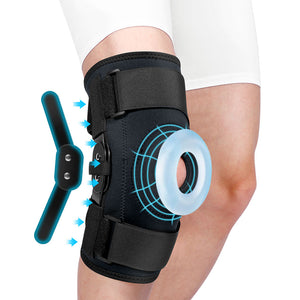
Can You Wear a Back Brace to Bed?
Maintaining spinal alignment is a cornerstone of musculoskeletal health, yet many individuals struggle with finding the right balance between support and comfort during rest. The question of whether one should you wear a back brace to bed is a common inquiry for those managing chronic pain, recovering from surgery, or dealing with structural deformities like scoliosis. While back braces serve as vital tools for stabilization, their utility during the night requires a nuanced understanding of biomechanics and sleep hygiene.
Daytime vs. Nighttime Use of Back Support
The primary function of a back brace changes depending on the wearer's activity level. During the day, back brace support is typically utilized to limit excessive motion, provide compression during lifting, or remind the wearer to maintain proper posture while sitting or standing. In an upright position, gravity exerts a constant downward force on the vertebrae, and the muscles are actively engaged in stabilization.
At night, the body enters a state of muscular relaxation. The gravitational load on the spine is significantly reduced when lying horizontally. Consequently, the rigid support required to counteract weight-bearing stress during the day may become restrictive or even counterproductive at night. Daytime braces are often designed for mobility, whereas nighttime braces—when prescribed—are specifically engineered to maintain a static position over several hours.
Scenarios for Wearing a Back Brace During Sleep
There are specific medical and structural circumstances where a specialist might determine that a patient can you sleep with a back brace on effectively.
- Recovery from Spinal Surgery
Following procedures such as spinal fusion or laminectomy, the spine requires absolute stabilization to ensure bones heal in the correct alignment. In these instances, a rigid orthosis is often mandated 24/7 for a set period. The brace acts as a protective "cast" for the spine, preventing accidental twisting or rolling that could jeopardize the surgical site.
- Management of Progressive Scoliosis
For adolescents with idiopathic scoliosis, nighttime bracing is a standard evidence-based intervention. Specific braces, such as the Providence or Charleston bending braces, are designed exclusively for sleep. These devices apply hyper-corrective forces that are too intense for walking but are highly effective when the body is recumbent and growing.
- Acute Spinal Fractures
In the case of compression fractures or stress reactions (spondylolysis), keeping the spine immobilized during sleep prevents further displacement. The brace ensures that the vertebrae remain in a neutral position, facilitating the natural ossification process without the interference of nocturnal movement.
When to Avoid Wearing a Back Brace to Sleep
In many cases, wearing a brace to bed without a specific clinical requirement can lead to adverse effects on spinal health and sleep quality.
-
Risk of Muscle Atrophy
The muscles surrounding the spine, known as the core stabilizers, need regular engagement to remain strong. If a brace provides constant support 24 hours a day, these muscles can begin to weaken or atrophy. Over-reliance on external support during sleep can result in a "lazy" core, making the spine more prone to injury once the brace is removed.
-
Potential for Skin Irritation and Pressure Sores
Back braces are often made of rigid plastics, metal stays, and thick elastic. During sleep, a person may not notice if a brace is pinching the skin or cutting off circulation. Prolonged pressure on specific points can lead to skin breakdown, rashes, or pressure ulcers, particularly in areas where bone is close to the surface, such as the hips or ribs.
-
Interference with Deep Sleep Cycles
Sleep is a restorative process for the central nervous system. A bulky or restrictive brace can prevent an individual from reaching deep REM sleep. Frequent waking due to discomfort or the inability to change positions can lead to chronic fatigue, which actually lowers the body’s pain threshold, potentially worsening the perception of back pain.
Comfort: The Essential Factor for Nocturnal Support
If a brace is necessary for sleep, the design must prioritize the intersection of stabilization and comfort. A brace that is too tight can restrict breathing and digestion, while one that is too loose fails to provide the necessary medical benefit.
- Breathability and Materials
Nighttime braces should ideally be constructed from moisture-wicking materials. Body temperature naturally fluctuates during sleep, and heat trapped under a synthetic brace can lead to excessive sweating and discomfort. High-quality foam liners and ventilated shells are preferred for long-term nocturnal use.
- Freedom of Movement for Limbs
While the goal is to stabilize the torso, the Fivali brace should not unnecessarily restrict the movement of the shoulders or legs. Proper fitment ensures that the patient can still find a comfortable sleeping posture, such as side-sleeping with a pillow between the knees, without the brace digging into the thighs or armpits.
Connection to Broader Sleep and Spinal Health Discussions
The discussion regarding whether one should you wear a back brace to bed is closely linked to the wider field of sleep ergonomics. It intersects with debates over mattress firmness, pillow loft, and the biomechanics of sleep positions.

Many people turn to back braces at night as a substitute for a poor sleep environment. If a mattress is sagging, the spine falls out of alignment, causing pain. In this context, the brace is a "band-aid" solution. Experts often suggest that optimizing the sleep surface is a more sustainable approach to spinal health than relying on a wearable device. Furthermore, the conversation ties into the "movement is medicine" philosophy, which argues that total immobilization should be a last resort rather than a default setting for general backache.
Determining Suitability for Nighttime Bracing
Deciding whether to incorporate a brace into a sleep routine involves a thorough assessment of symptoms and underlying causes.
- Nature of the Pain: Is the pain mechanical (triggered by movement) or inflammatory (persistent regardless of position)? Mechanical pain might benefit from the stability of a brace, while inflammatory pain might be aggravated by the heat and restriction.
- Nocturnal Mobility: Does the individual toss and turn frequently? Those who move a lot in their sleep may find a brace helpful in preventing painful "jerking" motions, or they may find it dangerously restrictive.
- Physical Indicators: Signs that a brace might be helpful include waking up with significantly less pain than when going to bed, or a reduction in morning stiffness. Conversely, if waking up reveals numbness in the legs or new pressure marks on the skin, the brace is likely unsuitable.

- Better Posture Correction
- Adjustable Velcro Straps
- Soft and Breathable Fabric
Suggestions for Navigating Sleep with a Back Brace
For those who must wear a brace during the night, certain strategies can make the experience more tolerable and effective.
-
Gradual Acclimatization
Rather than attempting a full eight hours on the first night, it is often helpful to wear the brace for short intervals during evening relaxation. This allows the skin and muscles to adapt to the pressure before the body enters a deep sleep state, where it cannot consciously adjust.
-
Layering for Protection
Wearing a thin, seamless cotton undershirt beneath the brace can prevent friction and absorb moisture. This layer acts as a barrier against plastic edges and prevents the buildup of bacteria on the brace itself, which is essential for maintaining skin integrity.
-
Strategic Pillow Placement
A brace changes the body’s silhouette and center of gravity. Using a body pillow or a wedge pillow can help "fill the gaps" created by the brace, ensuring that the limbs are supported and the spine remains in a neutral, stress-free position.
Summary of Guidelines
|
Consideration |
Benefit of Nighttime Bracing |
Risk of Nighttime Bracing |
|
Spinal Alignment |
Prevents harmful twisting/bending. |
May cause a rigid, unnatural posture. |
|
Muscle Health |
Rests overactive, spasming muscles. |
Leads to potential core weakening. |
|
Skin Integrity |
N/A |
Potential for sores and irritation. |
|
Sleep Quality |
Reduces pain-related awakenings. |
Can cause discomfort and insomnia. |
The decision to wear a back brace support during the night should never be made lightly. While it offers a sanctuary of stability for those recovering from trauma or managing structural curves, for the average person with general back fatigue, the risks of muscle atrophy and sleep disruption often outweigh the benefits. Balancing the need for immobilization with the body's natural requirement for movement and rest is the key to long-term spinal vitality.
-
Posted in
Back pain solutions, Brace