Activity Matched Ankle Protection Basics for Active Users
Signaling the unofficial kickoff to the active summer season, our calendars quickly fill up with weekend 5Ks, outdoor basketball tournaments, and long trail hikes. But as we transition from winter treadmills to rugged outdoor terrain, our joints face a sudden shift in demands.
Picture this: Sarah, an avid trail runner, borrows her brother’s rigid basketball brace to protect a mild sprain on her weekend run. Instead of feeling supported, her foot feels heavy, her stride is completely thrown off, and she ends up with knee pain by mile three.
Why did this happen? Because she used the right tool for the wrong job.
When it comes to safeguarding your joints, a one-size-fits-all approach is a myth. Different activities subject your body to completely different biomechanical stresses. Understanding how to match your protection to your specific activity is the secret to staying active, confident, and pain-free all summer long.

The Biomechanics of Movement: Breaking Down Ankle Stress
To understand activity-matched protection, we first need to look at what exactly we are protecting against. Your ankle is a marvel of engineering, but depending on how you move, it is constantly battling four major types of physical stress:
- Lateral Loads: The side-to-side forces generated when you suddenly change direction. Think of a tennis player lunging for a volley or a basketball player cutting to the hoop.
- Repetitive Impact: The continuous, rhythmic shock absorbed by your joints over time. This is the primary stress for road runners and walkers.
- Uneven Terrain: Unpredictable surfaces that force the foot to constantly micro-adjust, challenging your proprioception (your body's awareness of its position in space).
- Prolonged Standing: Constant, low-grade pressure that leads to fatigue, fluid buildup, and mild instability over long work shifts or casual wear.
The Activity-Stress-Protection Matrix
Once you identify the primary stress of your activity, choosing the right support becomes surprisingly intuitive. Here is how we map the demands of your favorite activities to the specific structural support you actually need.
Court Athletes (Basketball, Tennis, Volleyball)
- The Stress: Extreme lateral loads, quick pivots, and explosive jumps.
- The Problem: Court sports are notorious for inversion sprains—that dreaded moment when you land awkwardly on someone else's foot and your ankle rolls outward.
- The Matched Protection: You need high structural integrity. Look for semi-rigid or rigid supports with side stabilizers or robust figure-8 strapping systems. These act as an external ligament, preventing the foot from rolling laterally while still allowing vertical jumps. If you are hitting the sand or the hardwood this holiday weekend, specific gear like volleyball ankle supports are engineered to prevent these high-velocity rolls without weighing you down.
Runners (Road and Trail)
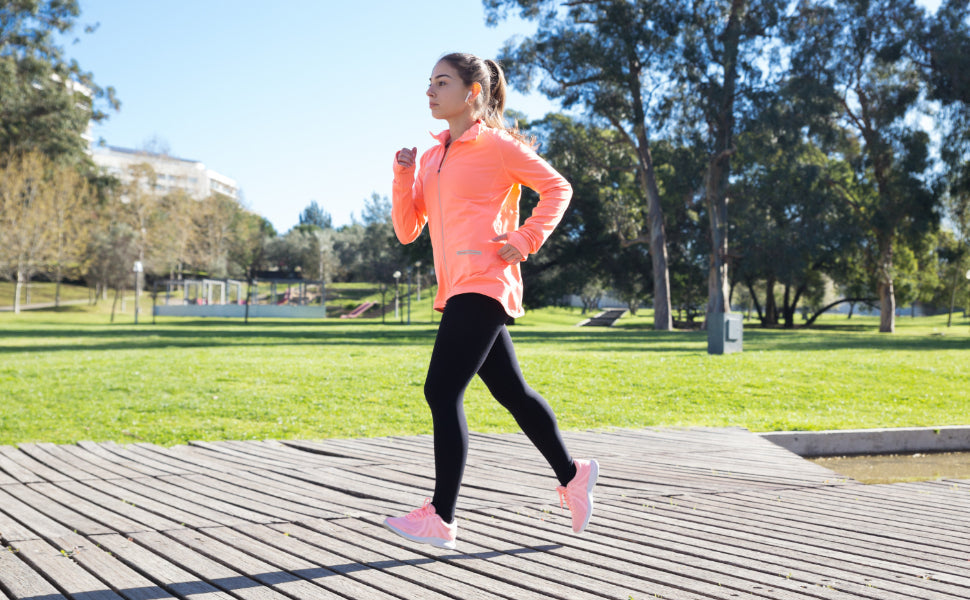
- The Stress: Repetitive impact and continuous forward motion (plantar/dorsiflexion).
- The Problem: Rigid braces restrict the natural heel-to-toe roll necessary for a smooth running gait. Wearing a bulky court brace on a run forces other joints to overcompensate for the lack of mobility.
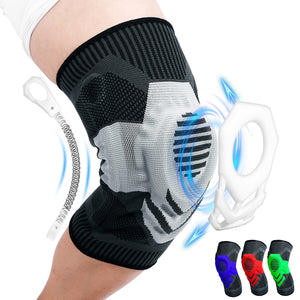
- The Matched Protection: Runners need low-profile, highly breathable sleeves that offer mild stabilization without stiffness. You want to maintain a full range of forward motion while providing sensory feedback to the skin to enhance balance. Interestingly, repetitive impact heavily affects the kinetic chain above the ankle as well. This is why many distance athletes combine lower limb care with a knee brace for running to absorb the shock that travels up the leg during those long summer miles.
Hikers and Outdoor Adventurers
- The Stress: Uneven terrain, steep inclines, and carrying heavy backpacks.
- The Problem: The trail is unpredictable. A sudden slip on a loose rock can stretch ligaments past their physical limit before your brain even registers the fall.
- The Matched Protection: Hikers benefit from hybrid support. Often, a sturdy, high-top hiking boot serves as the primary defense. If you need extra support underneath, a lace-up brace or a strong wrap that fits comfortably inside the boot is ideal. It provides the firm tension needed for varied terrain without the bulky plastic hinges that cause friction blisters on long treks.
Everyday Users and Post-Activity Relief
- The Stress: Prolonged standing, fluid buildup, and the healing phase of minor tweaks.
- The Problem: Heavy braces are too cumbersome for the office or relaxing at home, yet the joint still feels weak, tired, or puffy by the end of the day.
- The Matched Protection: Everyday users need flexible, comfortable stabilization. A high-quality compression ankle brace is perfect for this, as it improves circulation, helps reduce swelling, and provides gentle proprioceptive feedback to keep the joint aligned throughout the day.
When you are specifically dealing with acute post-workout recovery, combining that compression with cold therapy is incredibly effective. An ice ankle brace is an excellent recovery tool to pull out of the freezer after a long day on your feet. Similar principles apply to full-leg fatigue, where a flexible compression knee brace can help manage the systemic stress of standing during a long shift.
Beyond the Brace: The Holistic Recovery Ecosystem
Here is a crucial "aha moment" in joint health: an external support is a bridge, not a permanent destination. Activity-matched protection is most effective when it is part of a broader ecosystem that prioritizes natural physical strengthening.

A common misconception is that wearing a support will automatically weaken your muscles. In reality, a properly matched brace provides the confidence and stability needed to keep moving, which is essential for healthy blood flow and healing. However, your reliance on the brace should ideally decrease as your intrinsic strength increases.
- Strengthen the Base: Focus on exercises that build the intrinsic muscles of the foot and the calf complex. Calf raises and towel scrunches are excellent starting points.
- Train Your Brain (Proprioception): Balance exercises, like standing on one leg on a soft cushion, train your nervous system to react faster to sudden shifts in terrain.
- Respect the Kinetic Chain: Remember that joints don't work in isolation. Weakness at the base often travels upward. For example, poor ankle mobility might lead someone to seek out a patellofemoral knee sleeve because their knee is taking on the rotational stress that a stiff, unsupported ankle cannot safely absorb. Addressing the root cause down low protects your joints up high.
Frequently Asked Questions About Ankle Protection
How many hours a day should you wear an ankle support?
Unless advised by a healthcare professional, you shouldn't wear a rigid or semi-rigid brace all day. They are designed for active use—wear them during the specific activity that stresses the joint (e.g., during the basketball game or the hike). Lightweight compression sleeves, however, can generally be worn for longer durations to manage daily fatigue and swelling.
Can I sleep with my brace on?
It is generally not recommended to sleep in tight, restrictive braces unless specifically instructed for post-injury immobilization. Your joints need time to rest, breathe, and move naturally without constriction while you sleep.
Will wearing a brace weaken my ankle over time?
Not if used correctly. If you wear a heavy-duty brace all day, every day for months without doing any strengthening exercises, you may develop dependency. But using targeted support specifically during high-risk activities allows you to move confidently while you build up your natural strength through active rehab.
Next Steps for Your Active Summer
As you prepare your gear for the upcoming Memorial Day festivities and the vibrant summer months ahead, take a moment to evaluate your current joint protection strategy. Are you using a generalized solution for a highly specific problem?
By matching your protection to the precise biomechanical demands of your favorite activities, you don't just reduce the risk of re-injury—you unlock the confidence to push harder, run further, and play longer. Equip yourself with the right knowledge, choose the right support, and get out there to enjoy a healthy, pain-free season.