Runner's Knee Pain? How to Choose the Right Brace for Fast Relief
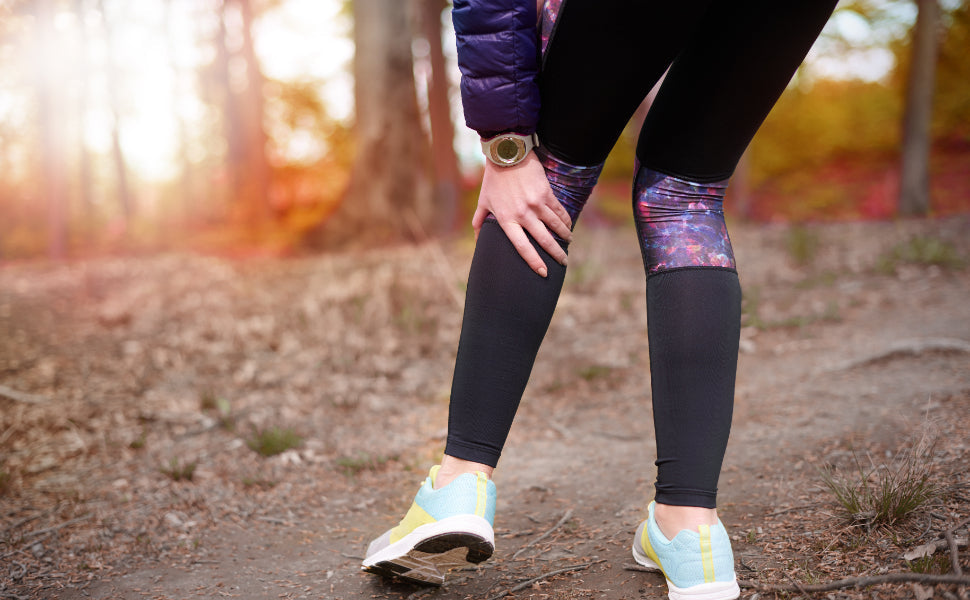
It’s a feeling almost every runner knows. That first, unwelcome twinge in your knee during a run. At first, you try to ignore it, hoping it’s just a momentary complaint. But then it returns, a dull ache that sharpens when you go downstairs or stand up after sitting for a while. This frustrating pain, often called "runner's knee," can feel like a major setback, but it’s really just your body sending you a signal. It's asking for a little more support.
The key to getting back on track isn't just grabbing any brace off the shelf. The best support for you depends entirely on what your specific pain is telling you. Understanding the "why" behind your ache is the first step toward finding the perfect partner for your knee.

This image visualizes runner's knee pain locations alongside three common brace types, clarifying how each brace targets specific symptoms for effective relief.
First, What Exactly Is "Runner's Knee"?
While it sounds specific, "runner's knee" is a catch-all term for a condition called Patellofemoral Pain Syndrome (PFPS). In simple terms, this is what we call runner's knee when the kneecap (patella) doesn't track smoothly in the groove of the thigh bone (femur).
Think of your kneecap as a train and the groove in your thigh bone as the tracks. When everything is aligned, the train glides effortlessly. But if muscle imbalances—often stemming from weak hips or glutes—or overuse pull the train slightly off the tracks, you get friction and irritation. That irritation is the pain you feel.
What Your Knee Pain Is Telling You
Your symptoms are clues that point to the root cause of your discomfort. Learning to interpret them is crucial for choosing the right support:
- Is the pain a sharp, specific ache right below your kneecap? This often points to patellar tendonitis, where the tendon connecting your kneecap to your shinbone is inflamed.
- Is it a dull, grinding pain around or behind the kneecap? This is the classic sign of a tracking issue, where the kneecap isn't gliding properly. It usually feels worse when walking down stairs or hills.
- Is it a general feeling of mild soreness and swelling all over the knee? This suggests widespread inflammation or a need for better sensory feedback to your brain about your knee's position in space (a concept called proprioception).
Decoding Knee Braces: Matching Your Symptoms to the Right Support
Not all braces are created equal because they aren't designed to solve the same problem. Let's break down the common types and what they do best.
For Targeted Tendon Pressure: The Patellar Strap
If your pain is located right below the kneecap, a simple patellar strap can be a game-changer.
- What it is: A small, focused strap that sits just under your patella.
- How it helps: It applies gentle, upward pressure on the patellar tendon. This subtly changes the angle of force, redistributing the load away from the irritated area and providing immediate relief for many runners with tendonitis.
- Best for: Localized, sharp pain directly below the kneecap.
For General Aches and Awareness: The Compression Sleeve
When your knee just feels "off"—a little swollen, a bit achy, and not quite stable—a compression sleeve is often the perfect starting point.
- What it is: A snug, elastic sleeve that provides uniform pressure across the entire knee joint.
- How it helps: The gentle compression helps reduce swelling and improve blood flow, which can ease pain. More importantly, it enhances proprioception. The constant feedback from the sleeve makes you more aware of your knee's movement, encouraging better form and stability. Many athletes use a knee brace to prevent injury and for this exact reason.
- Best for: Mild, generalized pain, minor swelling, and improving joint awareness during and after runs. Consider a compression sleeve for this type of support.
For Unstable Kneecaps: The Patellar Stabilizing Brace
If you experience that grinding sensation or feel like your kneecap is "slipping," you likely need help with tracking. This is where a knee stabilizer shines.
- What it is: A sleeve or wraparound brace with a built-in feature—often a C-shaped or U-shaped buttress made of gel or foam—that fits around the kneecap.
- How it helps: This buttress acts like a guide, gently nudging the kneecap to stay centered in its groove as you bend and straighten your leg. It directly addresses the tracking problem that causes so much friction and pain. When people ask, "Does a knee brace help with Patellofemoral Pain Syndrome?" this type of brace is often the most effective answer.
- Best for: Pain around or under the kneecap, grinding sensations, and feelings of instability.

This flowchart guides runners in matching their specific knee symptoms to the most suitable brace type, promoting informed brace selection based on pain characteristics.
Common Myths About Runner's Knee Braces: Busted
Navigating the world of knee support can be confusing, especially with so much conflicting advice. Let's clear up a few common misconceptions.

This comparison highlights and corrects common myths surrounding knee brace use for runner's knee, empowering readers with evidence-based facts.
Myth 1: Tighter is always better.Reality: A brace should be snug, but not constricting. Over-tightening can cut off circulation and cause more harm than good. You should be able to slide two fingers comfortably under the brace.
Myth 2: A brace is a permanent cure.Reality: A brace is a valuable tool to manage symptoms and keep you active, but it's not a magic fix. The long-term solution lies in addressing the underlying cause, which is usually related to muscle weakness or poor biomechanics. Think of a brace as a supportive teammate while you do the real work of strengthening and rehabilitation.
Myth 3: More rigid support is always superior.Reality: For most cases of runner's knee, bulky, hinged braces are overkill. They can restrict natural movement and cause your supporting muscles to become lazy. The goal is to support, not immobilize.
A Brace is Part of the Plan, Not the Whole Solution
The most important takeaway is that a knee brace works best as part of a comprehensive recovery strategy. While it helps manage pain, you should also focus on:
- Strengthening: Exercises for your hips, glutes, and quadriceps are essential for correcting the muscle imbalances that lead to poor kneecap tracking.
- Stretching: Focus on flexibility in your hamstrings, quads, and IT band.
- Form: Consider having your running form analyzed. Small adjustments can make a huge difference.
- Rest: Listen to your body. Don't push through sharp pain.
When you're trying to decide should you brace when running, think of it as giving your knee the confidence to perform while you work on building its own natural, long-term strength.
Your Checklist: Is It Time to Consider a Knee Brace?
If you're on the fence, run through this quick checklist. If you answer "yes" to two or more, it might be time to explore different types of knee braces.
- Your knee pain continues for more than a few days, even with rest.
- The discomfort causes you to change your running stride to compensate.
- You feel pain or instability during daily activities like walking down stairs.
- You want an extra layer of support and confidence as you return to running after an injury.
- Your knee pain is a recurring issue that flares up whenever you increase your mileage.
For those dealing with overweight knee pain relief, the right brace can also provide crucial support by offloading stress on the joint, making activity more comfortable and sustainable.
Frequently Asked Questions
Q: How do I choose the right knee brace for my specific pain?
A: The best brace depends on your symptoms. If you have sharp pain directly below the kneecap, a patellar strap is ideal. For general soreness, mild swelling, and better joint awareness, a compression sleeve works well. If you feel grinding or instability around the kneecap, a patellar stabilizing brace offers the best support for proper tracking.
Q: Is a knee brace a permanent cure for runner's knee?
A: No, a brace is a tool to manage symptoms and support you while you recover. The true long-term solution involves addressing the root cause through strengthening exercises for hips and glutes, stretching, and improving your running form. The goal is to build your own natural support system.
Q: Can wearing a knee brace make my knee muscles weaker?
A: It can if you rely on it passively without doing corrective exercises. However, when used correctly, a brace allows you to stay active and perform your strengthening exercises with less pain. Think of it as a partner in your rehabilitation, not a crutch that replaces muscle function.
Q: What if my knee pain feels more like a burning sensation?
A: A burning feeling often indicates inflammation or nerve irritation. While the braces discussed can help manage general discomfort, understanding the specific cause of a burning sensation is key. To learn more, explore these common causes and treatments for a burning knee.
Q: How tight should my knee brace be?
A: Your brace should be snug enough to stay in place without sliding, but not so tight that it restricts circulation. A good rule of thumb is that you should be able to comfortably slide two fingers underneath the brace. It should support, not constrict.