What Causes Chronic Lower Back Pain Understanding the Main Factors

Have you ever woken up with a persistent ache in your lower back that just won't seem to go away? Or perhaps a sudden tweak from a simple movement turned into weeks of nagging discomfort? You're not alone. Chronic lower back pain is a pervasive issue, affecting millions worldwide. It’s more than just a passing nuisance; it’s a complex puzzle with many interconnected pieces.
Often, we look for a quick fix – a stretch, a pill, or a single solution to make the pain disappear. But when pain becomes chronic (meaning it lasts 12 weeks or more), it usually signifies something deeper. It’s a signal that your body is dealing with a combination of structural changes, age-related wear and tear, and daily habits that, over time, create a perfect storm of discomfort. Understanding why your back pain persists is the crucial first step toward finding lasting relief and reclaiming your active life.
Let’s explore the common culprits behind chronic lower back pain, transforming industry jargon into clear insights that help you see your situation in a new light.

Understanding the Foundation: Your Lower Back Anatomy
Before diving into what causes pain, a quick refresher on your lower back (the lumbar spine) can be incredibly helpful. It’s a marvel of engineering, designed for both strength and flexibility. It consists of:
- Vertebrae: Five strong bones stacked one on top of the other.
- Intervertebral Discs: Gel-filled cushions between each vertebra, acting as shock absorbers and allowing movement.
- Ligaments: Strong fibrous bands that hold the vertebrae together.
- Muscles: Layers of muscles that support the spine and enable movement.
- Nerves: Spinal nerves that branch out from the spinal cord to send signals throughout your body.
When one or more of these components are compromised, pain can arise. When that compromise persists or worsens due to ongoing stress, it transitions from acute (short-term) to chronic (long-term) pain.
The Core Drivers of Chronic Lower Back Pain
Chronic lower back pain rarely has a single cause. Instead, it’s often a blend of structural issues, degenerative processes, and daily lifestyle choices that accumulate over time.
1. Structural & Degenerative Issues: The "Wear and Tear" Factor
Think of your spine like a building. Over decades, even the best-built structures show signs of wear. Similarly, your spine undergoes natural changes, but certain factors can accelerate these, leading to persistent pain.
- Disc Degeneration: This is perhaps the most common underlying cause. Your intervertebral discs, those spongy cushions, can gradually lose their water content and elasticity as you age. They become less effective at absorbing shock, making the vertebrae rub together more or placing more stress on surrounding structures. While disc degeneration is a natural part of aging for many, it can become painful when nerve compression or instability occurs.
- Herniated or Bulging Discs: Sometimes, the soft inner material of a disc pushes out through a tear in its tough outer layer. This "bulge" or "herniation" can press on nearby nerves, causing sharp pain, numbness, or weakness that can radiate down the leg (sciatica).
- Spinal Stenosis: This condition involves a narrowing of the spinal canal, which houses the spinal cord and nerves. This narrowing can put pressure on these vital structures, leading to pain, tingling, and weakness, especially during walking or standing. It's often caused by bone spurs or thickened ligaments resulting from degenerative changes.
- Osteoarthritis (Spondylosis): Just like other joints, the small facet joints in your spine can develop arthritis. The cartilage protecting these joints can wear away, leading to friction, inflammation, and pain. Bone spurs can also form, further contributing to stenosis or nerve impingement.
2. Lifestyle & Mechanical Stress: The "Everyday Habits" Factor
Beyond the internal structures, how you live and move significantly impacts your back health. These factors often compound existing structural issues.
- Muscle Imbalance and Weak Core: Your core muscles (abdominal, back, and gluteal muscles) act as a natural corset for your spine. If these muscles are weak or imbalanced – for instance, strong chest muscles paired with weak back muscles, or tight hip flexors paired with weak glutes – your spine loses vital support. This forces other muscles to overcompensate, leading to fatigue, strain, and chronic pain. Ever felt that constant dull ache after a day of sitting? A weak core is often a major contributor.
- Repetitive Strain: Many jobs and hobbies involve doing the same movements over and over again. Lifting, twisting, bending, or even prolonged sitting can create microtraumas in your back muscles, ligaments, and discs. Over time, these small injuries don't fully heal, leading to chronic inflammation and pain. Recognizing the early warning signs of repetitive strain injury is key to prevention.
- Poor Ergonomics: How you set up your workspace, how you sit, stand, and even sleep directly impacts your spinal alignment. Slouching, hunching over a computer, or using an ill-suited chair can put immense, unnatural pressure on your discs and muscles. This sustained poor posture isn't just uncomfortable; it actively contributes to muscle imbalance and accelerates disc degeneration. Learning about understanding your posture can be incredibly insightful.
- Excess Body Weight: Carrying extra weight, especially around your midsection, shifts your center of gravity forward. This pulls on your lower back muscles and ligaments, increasing the stress on your lumbar spine and discs. It can exacerbate conditions like disc degeneration and osteoarthritis.
- Physical Inactivity: A sedentary lifestyle is a significant risk factor. Lack of movement leads to weaker muscles, reduced flexibility, and poorer circulation, all of which contribute to a less resilient spine that's more prone to pain.
- Smoking: Believe it or not, smoking impairs blood flow to the discs, hindering their ability to receive nutrients and heal. It can accelerate disc degeneration and make back pain more severe and difficult to treat.
Why Pain Lingers: The Cycle of Chronicity
You might wonder, "Why does my back hurt all the time, even when I'm resting?" This is the core question of chronic pain, and it often involves a deeper biological shift.
Initially, an injury causes acute pain – a clear signal that something is wrong. However, if the underlying issues aren't addressed, or if certain factors perpetuate inflammation and nerve sensitivity, the pain can become "hardwired" into your nervous system. This is known as central sensitization.

In chronic pain, your nervous system can become overly sensitive, sending pain signals even when there's no ongoing tissue damage. This cycle is often fueled by:
- Fear-Avoidance: Fearing movement, you might become less active, which ironically weakens your muscles further and stiffens your joints, perpetuating the problem.
- Psychological Factors: Stress, anxiety, and depression can amplify pain perception. How? Stress tightens muscles and releases inflammatory chemicals, while chronic pain itself can lead to mood disorders, creating a powerful feedback loop. Poor sleep, often linked to stress, also hinders your body's ability to repair itself.
Beyond the Obvious: Uncovering Hidden Factors & Misconceptions
When dealing with persistent back pain, it’s easy to fall into common traps or misunderstandings.
Why Good Posture Can Feel Bad (At First)
Many people who try to correct their posture report that it initially makes their back pain worse. This is a common and often frustrating experience. Here’s why:
- Muscle Re-education: If you've been slouching for years, your body has adapted to that position. Muscles might have become weak in some areas and overly tight in others. When you suddenly try to sit or stand "straight," you're asking dormant muscles to activate and tight muscles to lengthen. This can feel strenuous, awkward, and even painful as your body works to re-learn proper alignment.
- Increased Awareness: Being mindful of your posture also means you're more acutely aware of the sensations in your back. What was once a subconscious slouch is now a conscious effort, bringing discomfort to the forefront.
Think of it like learning a new exercise. It feels hard and uncomfortable until your muscles strengthen and adapt. Consistency is key here.

Common Myths Debunked
- Myth: Pain always means damage.Reality: While acute pain often signals damage, chronic pain is more complex. Due to central sensitization, your nervous system can generate pain signals even when tissues have healed. Pain is an output of the brain, not always a direct measure of tissue damage.
- Myth: Bed rest is always best for back pain.Reality: While short-term rest might be necessary after an acute injury, prolonged bed rest often makes chronic back pain worse. It leads to muscle deconditioning, stiffness, and perpetuates fear-avoidance. Gentle, progressive movement is almost always better for long-term recovery.
- Myth: You just have to live with it.Reality: While chronic pain requires a long-term management approach, it doesn't mean you can't significantly reduce your pain and improve your quality of life. Understanding the causes empowers you to make targeted changes.
Your First Steps Towards Lasting Relief
Understanding the intricate web of causes behind your chronic lower back pain is the most empowering step you can take. It shifts your perspective from seeking a magic bullet to embracing a comprehensive, long-term approach.
- Seek Professional Guidance: If your pain is severe, accompanied by numbness, weakness, or bladder/bowel issues, or if it doesn't improve with self-care, consult a healthcare professional. They can provide an accurate diagnosis and tailor a treatment plan.
- Embrace Movement & Strengthening: Regular, gentle exercise tailored to your condition is crucial. Focus on strengthening your core, glutes, and back muscles, and improving flexibility. This might include walking, swimming, yoga, or specific physical therapy exercises.
- Optimize Your Environment: Pay attention to your ergonomics at work and home. Adjust your chair, desk, and computer screen. Consider how you lift, bend, and carry objects. Even subtle changes, like addressing an arched lower back can make a big difference.
- Manage Lifestyle Factors: Address excess weight, quit smoking, and prioritize stress reduction techniques (meditation, deep breathing) and adequate sleep. These holistic changes are powerful allies in your fight against chronic pain.
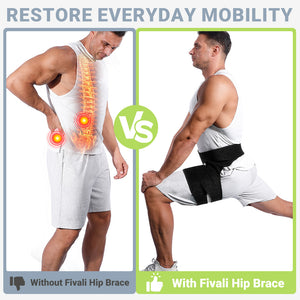
- Consider Supportive Options: As part of a broader strategy, supportive tools can provide relief and aid recovery. For instance, well-designed back braces for chronic pain can offer immediate support, improve posture, and reduce strain during activities. They can be valuable allies in re-training muscles and managing discomfort while you work on long-term solutions. Explore various back support products designed for active lifestyles.
Conclusion
Chronic lower back pain isn't a life sentence; it's a call to understand your body better and adopt a proactive, long-term approach. By recognizing the roles of structural changes, degenerative processes, and your daily habits, you gain the knowledge to make informed decisions. This journey requires patience and consistency, but the reward is a healthier, more active life. As you plan your summer activities and prepare for outdoor fun, remember that prioritizing your back health today means enjoying those moments fully tomorrow.