


Got Elbow Pain? You Might Have Tennis Elbow (Even if You Don't Play)

Ever reach for your morning coffee and feel a twinge on the outside of your elbow? Or maybe you notice a persistent ache after a long day of typing or a weekend spent gardening. It’s easy to dismiss it as a simple strain, something that will just "work itself out." But that nagging pain could be an early warning from your body, signaling the start of a common but widely misunderstood condition: lateral epicondylitis, better known as tennis elbow.
And here’s the first surprise: most people who get it have never even held a tennis racket.
This condition affects painters, plumbers, chefs, office workers, and anyone whose daily life involves repetitive gripping or wrist movements. Understanding what’s really happening inside your arm is the first step toward stopping that minor ache from becoming a major problem.
The Real Story: What's Happening Inside Your Elbow
When you hear about an injury ending in "-itis," like tendinitis, you probably think of inflammation—a fire alarm from your body signaling swelling and irritation. For years, experts thought tennis elbow was exactly that. But we now know that’s only a tiny part of the story, especially when the pain becomes chronic.
The more accurate term for what’s happening is tendinosis.
Think of it this way:
- Tendinitis is like a sudden, hot fire (acute inflammation). It’s an immediate response to an injury.
- Tendinosis is like a rope that’s slowly fraying from constant use (degeneration). There isn't much inflammation, just weakened, damaged tissue.
Lateral epicondylitis is primarily a case of tendinosis. It’s caused by cumulative micro-tears in a specific forearm muscle's tendon—the Extensor Carpi Radialis Brevis (ECRB)—right where it attaches to the bony bump on your outer elbow (the lateral epicondyle). Over time, these tiny tears overwhelm your body's ability to repair them, leading to a weakened tendon and that all-too-familiar pain.
Everyday Culprits: The Surprising Activities Causing Microdamage
Because tennis elbow is a wear-and-tear issue, it’s fundamentally one of the common symptoms of a repetitive strain injury. It’s not one dramatic event but thousands of small, seemingly harmless movements that add up. These movements typically fall into two categories:
1. Repetitive or Forceful Gripping
Every time you clench your fist or grip an object, you engage the forearm muscles that extend your wrist. When done repeatedly or with force, this action pulls on the ECRB tendon.
Common Triggers:
- Using tools like screwdrivers, hammers, or paint rollers
- Extensive gardening, pruning, or raking
- Carrying heavy grocery bags or a briefcase
- Shaking hands firmly
- Cooking activities like chopping and stirring
2. Resisted Wrist Extension
This is any motion where you bend your wrist upward against some form of resistance. This movement directly strains the ECRB tendon at its attachment point on the elbow.
Common Triggers:
- Prolonged use of a computer mouse and keyboard
- Lifting objects with your palm facing down (like a frying pan)
- Sports activities involving backhands (tennis, badminton)
- Playing musical instruments like the guitar or violin
Are You Feeling It? Early Warning Signs You Shouldn't Ignore
Catching tennis elbow early makes a world of difference. Ignoring these signs allows the tendon microdamage to worsen, making recovery longer and more difficult. Pay attention if you notice:
- A Tender Spot: The most classic sign is tenderness or pain when you press on the bony bump on the outside of your elbow.
- Pain with Gripping: A weak grip or a sharp pain when you try to hold a cup, turn a key, or open a jar.
- Aching Forearm: A dull, constant ache that radiates from your elbow down into your forearm muscles.
- Morning Stiffness: Your elbow and wrist may feel stiff and achy when you first wake up.
- Discomfort with Extension: Pain when you try to lift something with your palm down or bend your wrist backward.

It's important to note that if your pain is primarily on the inner side of your elbow, you might be experiencing a different condition related to the medial epicondyle, commonly known as Golfer's Elbow.
What to Do When You First Notice the Signs
If any of those early signs sound familiar, don't panic. Acting now can prevent the issue from escalating. The key concept to understand is offloading—reducing the strain on that overworked ECRB tendon to give it a chance to heal.
Here are some immediate first steps:
- Modify, Don't Stop: Complete rest is rarely the answer. Instead, identify the trigger activities and find ways to modify them. Use two hands to lift a heavy pan, take more frequent breaks from typing, or use ergonomic tools.
- Apply Ice: After an activity that causes soreness, applying an ice pack to the tender spot for 15-20 minutes can help manage discomfort.
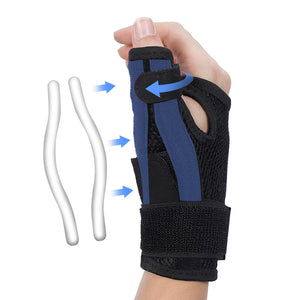
- Consider Support: This is where supportive devices come in. They are a primary tool for offloading the tendon. Finding the right support is a crucial part of a recovery plan, and a guide on treating tennis elbow brace options can help you navigate the choices. Different styles work for different people, from a simple counterforce brace that changes the angle of pull on the tendon to full sleeves that provide compression. Ultimately, discovering the best elbow brace for tendonitis for your specific needs can make a significant impact on your ability to stay active without pain.
Frequently Asked Questions (FAQ)
What is tennis elbow, really?
It’s more than just simple inflammation. True tennis elbow, or lateral epicondylitis, is primarily a condition of tendinosis. This means the pain comes from the gradual degeneration and micro-tearing of a specific tendon on the outside of your elbow due to chronic overuse, not a sudden inflammatory event.
Do I have to play tennis to get tennis elbow?
Absolutely not. While the name is historical, most people develop the condition from common daily and occupational activities. Actions like prolonged typing, using tools, gardening, or even cooking can cause the repetitive strain that leads to tennis elbow.
What are the early warning signs of tennis elbow?
The earliest signs include a tender spot on the bony bump of your outer elbow, a noticeably weaker grip, sharp pain when gripping or lifting objects (like a coffee cup or a doorknob), a persistent dull ache in your forearm, and stiffness in the elbow, especially in the morning.
What should I do first if I think I have tennis elbow?
The primary goal is to reduce strain on the affected tendon. You should start by modifying the activities that cause pain, applying ice for 15-20 minutes after an irritating activity to manage discomfort, and considering the use of a supportive elbow brace to offload the overworked tendon and promote healing.
Is my pain tennis elbow or something else?
A key indicator of tennis elbow is pain localized to the *outside* of your elbow. If your pain is primarily felt on the *inner* side of your elbow, you might be experiencing a different but related overuse condition, commonly known as Golfer's Elbow.
Your Next Step: From Awareness to Action
Recognizing that nagging elbow ache for what it is—a sign of tendon overuse and microdamage—is the most important step you can take. You now understand that it’s not just random pain; it’s a specific issue caused by specific movements.
By catching the signs early and taking simple steps to offload the stressed tendon, you can prevent a minor annoyance from turning into a debilitating problem. You're now equipped with the knowledge to listen to your body and take control, paving the way to stay active, healthy, and pain-free.







)