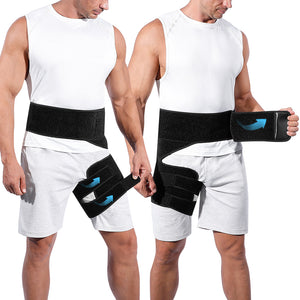
Does a back brace really help your back?

As the weekend approaches and we gear up for—pulling the grill out, tackling overdue yard work, and planning those first cold-weather hikes—the last thing anyone wants is to be sidelined by back pain. Yet, for millions of people, a sudden tweak or a chronic ache is an unwelcome guest at every summer gathering.
When that familiar twinge hits, the instinct is to seek immediate relief. For many, a back brace seems like the logical next step. But if you've ever started researching them, you've likely hit a wall of conflicting information. Are they a vital tool for healing, or a crutch that will eventually weaken your core?
If you are looking to understand the real science behind spinal support, you are in the right place. Let's unpack the evidence-based mechanisms, debunk the pervasive myths, and explore exactly how and when external support can genuinely help your back.
The Core Mechanics: How a Back Brace Actually Works
Understanding why a brace helps requires looking beyond the fabric and straps to the physiological changes that happen when you wear one. Scientific research points to four distinct mechanisms by which braces reduce pain and improve function.

1. Spinal Unloading via Intra-Abdominal Pressure
Think of your midsection like a balloon. When a brace wraps snugly around your torso, it compresses your abdomen, slightly increasing the intra-abdominal pressure. This internal pressure pushes against your spine from the front, effectively sharing the weight load that your spinal discs and lower back muscles normally carry alone. This "unloading" effect can offer immediate relief to compressed discs and tired muscles.
2. Motion Control and Micro-Movement Limitation
When a muscle or ligament is strained, even the tiniest movements can trigger sharp pain and restart the inflammatory cycle. A brace acts as an external stabilizer. It doesn't entirely freeze your movement, but it restricts the end-range motions (like deep bending or twisting) that aggravate acute injuries.
3. Enhanced Proprioception (Body Awareness)
Proprioception is your brain's awareness of where your body is in space. When you wear a supportive garment, the physical sensation of the fabric against your skin sends continuous tactile feedback to your brain. This constant reminder naturally encourages you to hold a better posture and move with more biomechanical mindfulness, reducing careless movements that lead to injury.
4. Posture Correction
Slouching places immense disproportionate stress on the lower back. Whether it's a targeted lumbar support for your lower back or a full-torso design, braces manually guide your spine into a more neutral, healthy alignment. By shifting you out of painful postures, they give overtaxed muscles a chance to rest and recover.
The Big Myth Debunked: Do Braces Weaken Your Muscles?
If you've hesitated to use support because someone warned you that "braces weaken your muscles," you are not alone. It's the most common fear surrounding spinal garments.

The "use it or lose it" theory suggests that if a brace is doing the work, your core muscles will simply turn off and atrophy. However, evidence-based research tells a very different story when braces are used correctly.
Rather than causing muscle weakness, a properly utilized brace actually enables muscle engagement. Severe pain shuts down muscle function; it makes you sedentary, which is the true cause of muscle atrophy. By reducing pain, a brace allows you to stay mobile, walk comfortably, and participate in physical therapy.
We call this the "Brace as a Bridge" concept. The garment isn't a permanent destination; it's a temporary bridge that carries you over the chasm of acute pain, landing you safely on the side of active recovery and rehabilitation.
Who Benefits Most? Conditions Where Braces Shine
Not all back pain is created equal, and neither is the effectiveness of bracing. Understanding which conditions predictably respond well to external support can help you make a more informed choice.

- Acute Muscle Strains and Sprains: Did you lift a heavy cooler awkwardly during that Memorial Day barbecue? For sudden, acute injuries, short-term bracing minimizes painful micro-movements while the tissue heals.
- Mechanical Low-Back Pain: This is the general, everyday ache that worsens with specific movements or prolonged standing. A brace helps by unloading the spine and improving proprioception.
- Post-Operative Support: After spinal procedures, surgeons often recommend rigid braces to strictly limit mobility and ensure proper healing of the surgical site.
- Specific Structural Conditions: Conditions like spondylolisthesis (where a vertebra slips forward) or osteoarthritis can benefit from the stabilization a brace provides, reducing the nerve friction that causes pain.
The Limits: What a Brace Can’t Fix Alone
While the benefits are highly documented, it is equally important to understand the limitations. Transparency is key to long-term health.
Short-Term Symptom Relief vs. Long-Term Structural Change
A brace is a fantastic tool for managing symptoms, but it is not a standalone cure for underlying structural flaws. It will not magically heal a herniated disc or permanently realign your spine without additional effort on your part.
The Risk of Overreliance
While the "muscle atrophy" myth is largely overstated for normal users, psychological dependence is a real risk. If you wear a brace 24/7 for months on end without doing any physical therapy, you risk becoming mentally reliant on it to feel secure.
The Golden Rule: Pair with Exercise
The ultimate goal of using a brace is to reduce your pain enough so that you can exercise. Integrating core-strengthening exercises, stretching, and physical therapy alongside your brace usage is the undisputed formula for lasting success.
Frequently Asked Questions (FAQ)
Q: How do I know which one to choose?
A: Finding the right fit depends on your specific injury and lifestyle. When people begin searching for the best back brace for lower back pain, they should look for adjustable compression, breathable materials, and targeted support pads. (If you are doing advanced technical research, such as using search operators like site:www.fivalifitness.com to hunt down specific material compositions, always prioritize multi-strap systems for customized fit).
Q: I sit at a desk all day. Will this help my posture?
A: Many people trying to correct "desk slump" ask, do back straighteners work? Yes, they work highly effectively via proprioception—giving your brain that gentle, physical reminder to pull your shoulders back and align your spine during long seated hours.
Q: What do actual users say about long-term use?
A: Reading through fivali back brace reviews highlights a common theme: users experience the most success when they use the brace during strenuous activities (like gardening, lifting, or long drives) and take it off while resting.
Moving Forward: Empowering Your Spine Health
So, does a back brace really help? The science says yes—when used as a targeted, temporary ally rather than a permanent crutch. By providing spinal unloading, guiding posture, and offering the stability needed to engage in active rehabilitation, the right support can be a game-changer for your mobility.
As you look to move past the pain and get back to living an active life, understanding these foundational mechanics is your first step. Your next step is evaluating which features—from rigid stays to breathable fabrics—will best serve your unique recovery journey. With the right knowledge and the right tools, you can ensure that back pain doesn't get the final say on your summer plans.