An Elite Support System for NCAA Tennis Elbow Players: the Fivali Elbow Brace
In the high-stakes arena of NCAA sports, elite athletes constantly push their physical boundaries to achieve peak performance. However, the rigorous demands of collegiate training and competition often expose these competitors to debilitating overuse injuries. Among the most prevalent disruptions to an athlete’s season is lateral epicondylitis, commonly known as tennis elbow. Managing this condition requires a sophisticated approach that balances immediate pain relief with long-term joint stabilization. As a prominent name in sports accessories, Fivali develops targeted solutions designed to enhance athletic performance and promote injury prevention. This analysis explores how the Fivali Elbow Brace serves as an unparalleled support and recovery system for NCAA athletes navigating the complexities of tennis elbow.

Biomechanics of Tennis Elbow: Causes and Symptoms in Collegiate Sports
Tennis elbow is a painful condition caused by repetitive stress and chronic overuse of the forearm muscles, specifically the extensor carpi radialis brevis tendon. In collegiate athletics, the repetitive microtrauma generated during high-velocity movements can lead to micro-tearing and subsequent inflammation around the lateral epicondyle.
NCAA athletes across multiple disciplines are highly susceptible to this condition due to specific mechanical demands:
-
Racquet Sports: Repetitive backhand strokes, improper grip mechanics, and high-tension racquet strings transfer excessive vibrational shock directly to the elbow joint.
-
Basketball: Continuous wrist extension and forearm pronation during shooting, passing, and dribbling place a chronic load on the extensor tendons.
-
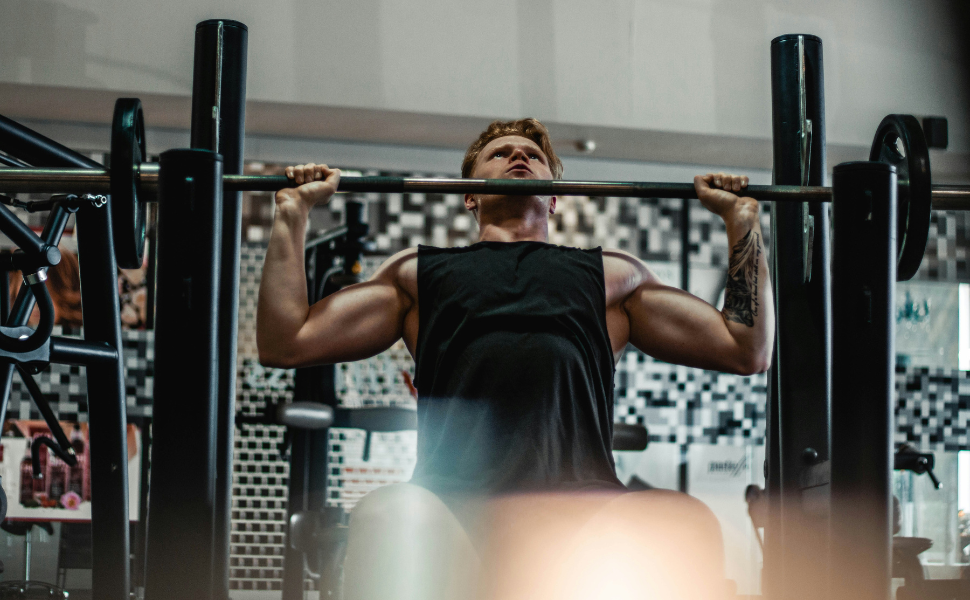
Weightlifting: Heavy gripping during Olympic lifts, deadlifts, and pull-ups creates intense isometric tension in the forearm, accelerating tissue fatigue.
The resulting symptoms often manifest as localized pain, acute tenderness, and burning sensations on the outer part of the elbow. Over time, this inflammation significantly weakens grip strength and hinders overall biomechanical efficiency, directly impacting an athlete’s competitive edge and daily training capacity.
Advanced Engineering: A New Paradigm for NCAA Competitors
Addressing the physical challenges faced by elite student-athletes requires orthopedic support that goes beyond basic compression. The Fivali Elbow Brace represents a significant advancement in sports engineering, specifically tailored to meet the rigorous demands of NCAA-level competition. Built with high-grade, breathable materials and designed through meticulous anatomical modeling, this brace delivers localized structural reinforcement to the forearm.
By strategically redistributing the forces that travel through the forearm muscles, the brace minimizes the stress placed on the damaged tendon insertion point. This targeted mechanical offloading creates an optimal environment for tissue recovery while allowing athletes to maintain their training schedules without exacerbating the injury.
Anatomical Compression: Balancing Comfort and Flexibility
A critical requirement for any collegiate sports brace is the ability to provide reliable stability without sacrificing wearer comfort. The Fivali Elbow Brace utilizes a tailored compression profile that conforms precisely to the unique contours of the human arm.
Strategic Pressure Distribution
The advanced knit fabric exerts a precise gradient compression that stimulates localized blood circulation. Increased blood flow enhances oxygen and nutrient delivery to the affected tendons, which accelerates the natural cellular repair process.
Thermo-Regulated Moisture Management
Intense NCAA training sessions generate significant heat and perspiration. The moisture-wicking properties of the premium fabric prevent sweat accumulation, reducing skin irritation and slipping. This ensures the brace remains securely in place during explosive movements.
Non-Restrictive Structural Grip
Unlike traditional, rigid splints that can cause muscle atrophy or circulation blockages, this innovative tennis elbow band provides a gentle yet firm hold. The flexible matrix architecture supports the soft tissue while allowing the muscles to expand and contract naturally during exertion.
Kinetic Freedom: Achieving Unrestricted Court Performance
In competitive sports, split-second reactions and fluid movements dictate success. Equipment that alters an athlete’s natural mechanics can lead to secondary injuries or a decline in technical precision. The design philosophy behind the Fivali Elbow Brace prioritizes complete kinetic freedom.
-
Precision Execution: Tennis players can follow through on high-velocity serves and backhands without feeling mechanical resistance from the brace.
-
Unhindered Agility: Basketball players retain the wrist and forearm flexibility necessary for precise ball handling and optimal shooting release angles.
-
Dynamic Adaptation: The low-profile structure fits seamlessly under team uniforms and travel gear, eliminating bulkiness and distracting friction.
By preserving a full range of motion, the brace ensures that the neuromuscular pathways remain uninterrupted. Athletes can execute complex, high-intensity patterns with the confidence that their equipment is working in harmony with their natural biomechanics.
Structural Stabilization: Empowering the Elite Athlete
The primary mechanical objective of the Fivali Elbow Brace is to stabilize the elbow joint and its surrounding musculature during high-stress activities. By absorbing vibrational shock and dampening repetitive micro-oscillations, this tennis elbow band reduces the overall load experienced by the lateral epicondyle.
| Performance Attribute | Impact of Standard Sleeves | Impact of Fivali Elbow Brace |
| Targeted Tendon Offloading | Minimal / Generalized | High / Precision Compression Pad |
| Joint Stabilization | Low | Structural Guarding |
| Material Breathability | Standard Neoprene (Heat Trapping) | Advanced Moisture-Wicking Knit |
| Mobility Retention | Resisted Movement | Fluid Range of Motion |
This targeted stabilization acts as a protective shield during explosive athletic movements. Decreasing the strain on vulnerable soft tissues allows the brace to empower NCAA athletes to maintain their competitive edge, safely push their physical limits, and navigate their recovery protocols with minimal downtime.
The Strategic Choice for Collegiate Athletic Programs
Integrating high-performance support gear into an athlete's routine is essential for managing the physical tolls of a demanding season. The Fivali Elbow Brace offers athletic departments and trainers a reliable, non-invasive solution for managing lateral epicondylitis. Its blend of durable materials, anatomical compliance, and targeted compression makes it a vital tool for keeping players safe and active.
By choosing specialized equipment, athletic programs can address minor tendon strains before they escalate into chronic, season-ending injuries. This proactive approach to joint care preserves player health, optimizes training consistency, and ensures that the entire roster remains ready to compete at the highest level.
Achieving Peak Performance with Advanced Joint Support
For NCAA athletes confronting the pain of lateral epicondylitis, securing the right equipment is vital for maintaining competitive longevity. The Fivali Elbow Brace delivers a precise balance of targeted compression, joint stabilization, and unhindered mobility. Its advanced design enables student-athletes to manage discomfort effectively while protecting their bodies from repetitive stress. Incorporating this high-caliber tennis elbow band into a daily training regimen allows dedicated competitors to overcome physical setbacks, protect their long-term health, and focus entirely on dominating their sport.