Maximize Your Comfort with Fivali Ankle Supports
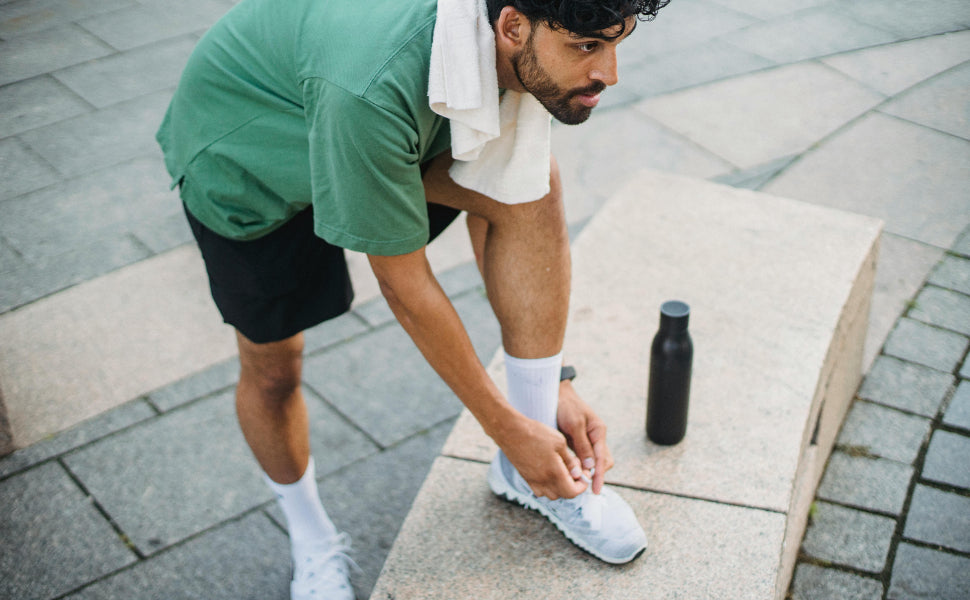
The thunderous pop of a tennis ball meeting a perfectly timed racket is one of the most satisfying sounds in sports. But behind every powerful serve, sharp cross-court volley, and sudden baseline recovery lies a complex network of muscles, tendons, and joints working under immense pressure. Tennis is a game of micro-adjustments, rapid lateral deceleration, and explosive vertical leaps. On hard courts, clay, or grass, the human ankle bears the brunt of these dynamic forces. A single misstep can sideline an athlete for weeks. This is why securing the right tennis ankle support plays a crucial role in ensuring stability, preventing debilitating injuries, and unlocking an athlete’s full potential on the court.
High-performance athletes, ranging from dedicated weekend warriors to elite NCAA competitors, require gear that matches their intensity. High-quality ankle support products are no longer just rehabilitation tools; they are essential components of a modern athlete's toolkit. By diving into the engineering behind specialized sports gear, this article will explore how advanced ankle braces provide all-round protection, elevate court movement, and ensure maximum comfort during the most demanding matches.
The Dynamics of Movement on the Tennis Court
To appreciate the necessity of proper bracing, it helps to break down the sheer physical demands of a typical tennis match. Unlike running, which primarily involves forward linear motion, tennis is a multidirectional sport. Players must constantly transition from dead sprints to sudden stops, followed immediately by lateral slides or backward jumps.
Lateral Stress and Changes of Direction
When sliding out to reach a wide forehand, the ankle joint undergoes severe inversion and eversion stresses. Without adequate reinforcement, the risk of rolling the ankle outward—resulting in a lateral sprain—increases exponentially. Proper support acts as an external ligament, absorbing the initial shock of these abrupt changes in direction.
Rotational Forces and Kinetic Energy
Power in tennis originates from the ground up. As a player coils their body to unleash a serve or a heavy topspin groundstroke, torque travels up through the feet and ankles. If the ankle joint is unstable, kinetic energy is lost, reducing stroke power and increasing the load on the knees and lower back.
Comprehensive Coverage for Optimal Protection
Advanced athletic gear must offer more than just a tight wrap; it requires an anatomically precise architecture. Modern engineering achieves this through an integrated design that delivers comprehensive coverage to the ankle joint, tendons, and ligaments.
By strategically placing support elements throughout the brace, high-tier tennis ankle support offers optimal protection during intense sports activities. Whether executing a quick split-step at the net or engaging in explosive accelerations from the baseline, an integrated brace acts as a trusted shield. This safeguarding mechanism protects the ankle from potential injuries while providing the exact structural stability needed to perform at peak capacity without hesitation.
Furthermore, this comprehensive coverage helps maintain proper alignment. When the talus and calcaneus bones are held in their natural tracking positions, the entire lower leg operates with greater biomechanical efficiency, preventing premature fatigue during long, grueling three-set matches.

Heel Wrap Guards Against Friction
A common complaint among tennis players utilizing traditional braces is the development of painful blisters and hot spots. The constant friction generated by rapid footwork inside a tightly laced tennis shoe can quickly turn a protective gear piece into a source of agony.
Micro-Movement Mitigation
Innovative heel wrap designs solve this problem by anchoring the brace firmly to the back of the foot. By minimizing the micro-movements between the skin, the brace, and the shoe lining, the heel wrap drastically reduces the risk of discomfort and potential chafing.
Focus and Concentration Enhancement
Distractions on the court can cost crucial points. A minor blister can alter a player's gait, leading to compromised form and reduced speed. With an advanced heel wrap system, athletes can move with confidence, knowing their foot is securely locked in place and free from unnecessary friction that could hinder the game.
Sock Cuff Elasticity for Added Pressure
Compression therapy is a cornerstone of modern sports science. The integration of an elastic sock cuff into a tennis ankle brace applies gentle, consistent pressure to support the ankle and improve blood circulation.
| Feature | Primary Function | Athletic Outcome |
| Elastic Sock Cuff | Targeted graduated compression | Improved localized blood flow |
| Pressure Application | Joint position awareness (Proprioception) | Enhanced balance and quicker reflexes |
| Snug Fit Architecture | Reduces interstitial fluid buildup | Decreased swelling and faster recovery |
This added pressure promotes stability, reduces swelling, and aids in faster recovery after intense workouts or matches. The elasticity of the sock cuff ensures a snug, contoured fit without compromising comfort, allowing players to wear the brace for extended periods—through practice sessions and marathon tiebreakers alike—without feeling restricted.
Additionally, the sensory feedback provided by a snug sock cuff enhances proprioception—the body's natural ability to sense its position in space. For a tennis player, heightened proprioception means faster subconscious adjustments to uneven court surfaces, resulting in better balance and quicker reaction times.
Material Innovation and Breathability
Sweat accumulation is another major challenge faced by athletes wearing protective footwear gear. A damp, heavy brace not only feels uncomfortable but also loses its structural integrity and slips out of place.
Modern tennis ankle support utilizes advanced moisture-wicking synthetic blends that draw sweat away from the skin, channeling it to the outer layers of the fabric where it can evaporate rapidly. These lightweight materials feature microscopic perforations that allow air to circulate freely around the foot. Keeping the foot cool and dry prevents material breakdown, extends the brace's lifespan, and ensures consistent support from the first warm-up rally to the final match point.
Choosing the Right Support Level
Not every player requires the same level of bracing. Understanding the spectrum of support helps athletes select the appropriate gear for their specific physical needs and court conditions.
Sleeve-Style Supports
Ideal for players recovering from minor strains or those seeking preventative warmth and mild compression. These offer maximum flexibility and easily slip into standard tennis shoes without changing the fit.
Strap and Lace-Up Braces
Designed for athletes requiring moderate to maximum stability. Utilizing figures-of-eight straps, these duplicate the effects of professional athletic taping, offering rigid defense against lateral rolls while maintaining comfortable forward and backward flexion.
Elevate the Game with Fivali
For NCAA athletes and sports enthusiasts alike, finding the perfect balance between rigid protection and fluid mobility is paramount. This is where Fivali ankle support products stand out as an innovative solution. The all-round protection provided by these designs, combined with specialized features like the heel wrap and sock cuff elasticity, delivers the exact stability, comfort, and support needed to unleash full potential on the court.
No player should compromise their performance or risk unnecessary injuries due to substandard equipment. Prioritizing ankle protection is a direct investment in longevity and competitive success. Exploring the diverse range of Fivali products allows athletes to experience the profound difference that dedicated engineering can make in a sports journey. Every step on the court demands precision, power, and confidence—attributes that are fully realized when the foundations of the body are securely supported.
-
Posted in
Healthy Lifestyle, Joint, Pain, sports