Can you run with a hip brace?

With Memorial Day weekend just around the corner, marking the unofficial kickoff to the summer running season, many athletes are gearing up for long trail runs, neighborhood 5Ks, and sunny track workouts. But if you’ve been dealing with a nagging ache in your hip, you might be wondering how to safely participate in the summer miles ahead.
One of the most common questions athletes ask when recovering from mild tweaks or dealing with chronic discomfort is: Can I actually run with a hip brace?
It’s a valid concern. Runners are hyper-aware of their bodies, and the idea of strapping something around a major joint brings up anxieties about altered gait, reduced speed, and the fear of creating new injuries.
The short answer is yes—you can run with a hip support, provided you choose the right one and integrate it thoughtfully into your routine. Let’s explore the mechanics of running with added support, how to ensure it doesn't hold you back, and exactly what to look for when making your choice.
The Biomechanics: How Hip Supports Actually Work
Before wrapping anything around your joints, it helps to understand what the best hip support brace is actually doing while you run. It's not about rigidly locking the joint in place; instead, it relies on three core principles:
- Compression: Gentle, sustained pressure helps increase blood flow to the surrounding muscles, keeping them warm and potentially reducing inflammation during repetitive impact.
- Proprioception: This is a fancy term for your body's spatial awareness. The physical sensation of the fabric against your skin sends constant feedback to your brain, reminding your muscles to engage properly and supporting better running form.
- Targeted Stability: A well-designed support redistributes the physical load, taking a fraction of the stress off fatigued tendons and ligaments so you can move with greater confidence.
Will It Alter Your Gait or Reduce Performance?
The biggest fear most runners have is that a brace will artificially change their stride, leading to compensatory injuries in the knees or lower back.
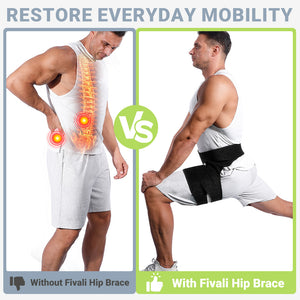
If you are wearing an overly rigid, bulky device meant for strict immobilization, it absolutely will alter your gait—and you shouldn't run in it. However, a sports-focused hip brace is engineered specifically to permit a natural range of motion. It allows for normal hip extension (your leg pushing back) and flexion (your knee driving forward) while subtly limiting the excessive lateral (side-to-side) micro-movements that often cause pain.
Instead of reducing performance, many runners find that the right support improves their runs by eliminating the subconscious limping or stride-shortening that happens when you're trying to protect a sore joint.
Key Features of a Runner-Friendly Design
Not all supports are created equal, especially when you plan to log miles in them. If you want to maintain your mechanics, look for these non-negotiable features:
- Low-Profile Fit: Running requires repetitive motion. Anything bulky will inevitably cause severe chafing within the first mile. A sleek design that fits smoothly under or over running shorts is essential.
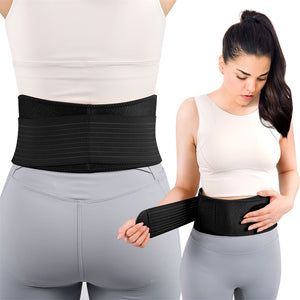
- Secure but Flexible Support: The material should offer a multi-directional stretch. You want the sensation of a firm hug around your hip and upper thigh, not the feeling of a rigid cast.
- Moisture-Wicking Materials: As we head into the heat of summer, sweat management becomes crucial. Breathable, perforated fabrics prevent overheating and keep the support from sliding down your leg as you sweat.
- Adjustability: Your muscles expand slightly as blood pumps into them during a run. Customizable straps allow you to loosen or tighten the fit dynamically on the go.

How to Safely Test Your Support on the Run
You shouldn't unbox a new support and immediately head out for a 10-mile long run. Integration should be gradual. Here is a safe testing protocol:
- The Living Room Test: Put it on and do some bodyweight squats, lunges, and high knees in your home. It should feel supportive but shouldn't pinch or restrict your movement.
- The Walk-Run Interval: Take it outside for an easy 20-minute session. Alternate between two minutes of running and one minute of walking.
- The Form Check: Pay close attention to your foot strike and stride length. Are you subconsciously shortening your stride on the braced side? If so, you may have the straps too tight.
- Post-Run Assessment: After taking it off, assess your skin for any hot spots or chafing, and note how your hip feels as it cools down.
Signs It's Helping vs. Hindering
Green Flags (It's Helping):
- Your perceived effort feels lower because you aren't bracing against pain.
- Your stride length feels balanced and symmetrical.
- You experience less stiffness in the hours following your run.
Red Flags (It's Hindering):
- You feel new aches in your knee, ankle, or lower back (a sign your gait is altered).
- You experience numbness or tingling down your leg (it's too tight).
- You feel actively restricted when trying to drive your knee upward.
Choosing Your Level of Support: Sleeves vs. Sturdy Braces
Deciding what to wear depends entirely on your specific activity level and your body's needs.
For Daily Easy Miles: A lightweight compression sleeve is usually perfect. It provides that essential proprioceptive feedback and keeps the muscles warm. It’s ideal for runners dealing with very mild strains, general fatigue, or those looking to stay proactive about their joint health during high-mileage weeks.
For Higher Impact or Specific Conditions: If you are managing more pronounced instability, tackling aggressive trail running, or navigating chronic conditions, you may need a sturdier option with adjustable strapping systems. For instance, runners looking for the best hip brace for arthritis often benefit from designs that offer customizable compression to manage joint swelling and provide targeted offloading during impact.
Frequently Asked Questions
Can I run wearing a hip brace after surgery?
Returning to high-impact activities like running after surgery requires professional clearance. While functional supports are excellent tools during the later stages of rehabilitation to provide confidence and stability, your physical therapist or surgeon must give you the green light before you hit the pavement.
Should I wear it over or under my running clothes?
This depends on the design. Low-profile sleeves are meant to be worn directly against the skin for maximum compression and proprioceptive benefits. Sturdier supports with thick velcro straps are often more comfortable when worn over a thin, moisture-wicking base layer to prevent friction.
Where can I find the right hip support for running based on my intensity?
Look for brands that categorize their gear by activity level. A good running support should explicitly mention dynamic movement, breathability, and flexibility in its design specifications.
Final Thoughts for Your Summer Miles
Hip discomfort shouldn't force you to miss out on the beautiful summer running season ahead. By understanding the biomechanics of how these supports work, prioritizing runner-specific features like flexibility and moisture-wicking materials, and taking the time to test your gear properly, you can stay active and pain-free.
Remember, a brace is an excellent tool to facilitate safe movement, but it works best when combined with a holistic approach to your health—including proper stretching, targeted strength training, and listening to your body's cues on the road. Lace up, stay supported, and enjoy the miles ahead!