Unlock Safe Movement: Navigating Life and Walking with a Hip Abduction Brace

You’ve just been handed a hip abduction brace. As you look at the straps, pads, and rigid supports, one overwhelming question probably pops into your mind: “How am I supposed to walk in this thing?” Especially with Memorial Day and the promise of summer just around the corner, the thought of being sidelined can be frustrating.
The good news? The answer to "Can you walk with a hip abduction brace?" is almost always yes. But it’s not about walking the way you used to. It's about learning a new, temporary way to move—one that protects your healing hip while allowing you to regain your independence safely.
Think of this guide as your friendly co-pilot for that journey. We’ll break down what your brace actually does, how your walk will adapt, and how you can confidently and safely get back on your feet.
The Surprising Truth About Your Brace: It's a Reminder, Not a Restraint
One of the biggest "aha moments" for people new to a hip abduction brace is realizing its true purpose. It's easy to see it as a hard shell meant to immobilize you completely. In reality, it’s more of a biomechanical coach.
A hip abduction brace is designed to be a reminder. Its primary job is to prevent your hip from moving into risky positions—specifically, moving your leg inward (adduction) or bending your hip too far forward (flexion). By keeping your leg in a slightly outward position (abduction), it protects a healing surgical site or helps a developing joint stay in the correct socket. It doesn't lock your joint; it guides it, allowing for safe, controlled movement within a prescribed range.

This principle is crucial whether the brace is for an adult recovering from surgery or a toddler with developmental dysplasia of the hip (DDH). The goal is the same: protect the joint so you can keep moving.
Mastering Your New Walk: Gait Adaptations and Assistive Devices
Your first steps in a hip brace will feel different, and that's okay. Your body is smart, and it will naturally find a new way to move to accommodate the brace. This is called gait adaptation.
Expect a few changes:
- A Wider Stance: The brace holds your leg out, so your base of support will naturally be wider.
- Shorter, Slower Steps: You won't be winning any races. Focus on deliberate, controlled steps to maintain balance.
- A More "Mechanical" Feel: Your leg won’t swing as freely, making your walk feel less fluid.
These changes are not just normal; they’re necessary for stability. To support your new gait and prevent falls, assistive devices are your best friends. A walker or crutches provide extra points of contact with the ground, giving you the confidence to move safely, especially in the early stages.
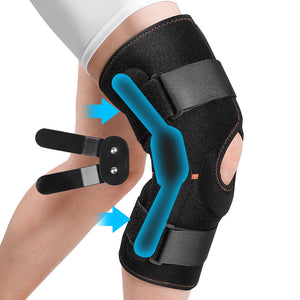
It's also important to remember that changing how you walk affects your whole body. The new mechanics can put different stresses on your other joints. If you feel new strain in your knee, for example, a supportive knee brace for swollen knee can provide comfort. It’s natural to wonder about supporting other joints during recovery; many people even ask, should i wear an ankle brace while running, which shows that thinking about total body support is common when your movement changes.

Beyond Walking: Navigating Daily Life Safely
Mobility isn't just about walking from point A to point B. It's about sitting down for a meal, getting into a car, and using the bathroom. These simple tasks require new strategies when you're wearing a hip abduction brace.
Follow these "hip precautions" to stay safe:
- Avoid Low Chairs: Getting up from a low, soft couch can put your hip in a vulnerable position. Opt for firm, higher chairs and consider a raised toilet seat.
- Don't Cross Your Legs: This is one of the key movements your brace is designed to prevent. Be mindful of this when sitting.
- Keep Knees Apart: When you sit or stand, focus on keeping your knees separated to maintain the proper hip alignment.
- The "Log Roll" Technique: When getting in and out of bed, keep your braced leg straight and move your entire body as one unit.
A well-designed hip brace will offer the necessary support while being mindful of these daily realities, striking a balance between protection and practical function.
Your Roadmap to Recovery: Progressive Walking and When to Get Help
Walking with your brace isn't a single event; it's a phased process that you'll work through with your doctor or physical therapist. While your specific plan will be tailored to you, the progression generally follows a predictable path. A clear plan is especially important for those navigating recovery after a major procedure like a hip replacement surgery.
- Phase 1: Assisted Steps: Your first steps will likely be with a physical therapist, using a walker for maximum support and bearing only a small amount of weight on the affected leg.
- Phase 2: Building Confidence: As you get stronger, you'll gradually increase your weight-bearing and the distance you walk, still using a walker or crutches.
- Phase 3: Increasing Independence: You may transition from a walker to crutches or a single cane as your balance and strength improve.
- Phase 4: Brace-Assisted Walking: Eventually, you’ll be able to walk independently while wearing the brace, having mastered your new gait.

Your Safety Checklist: Are You Ready for Independent Walking?
Before you start walking without an assistive device, run through this mental checklist. You should be able to say "yes" to these points, ideally with your clinician's approval:
- [ ] I have been cleared by my doctor or physical therapist.
- [ ] I can stand comfortably for at least 30 seconds without losing my balance.
- [ ] My pain level is low and manageable during movement.
- [ ] I feel confident and not fearful of falling.
Red Flags: When to Call Your Clinician
Always listen to your body. Contact your healthcare provider immediately if you experience:
- Sudden, sharp pain in your hip.
- Numbness, tingling, or loss of feeling in your leg or foot.
- Significant new swelling or redness.
- A feeling that the brace is loose, or that your hip has shifted.
Choosing the Right Support: What to Look for in a Brace
As you become more familiar with your brace, you'll appreciate features that support your mobility. When comparing options, look for lightweight materials that reduce fatigue and soft, breathable padding for comfort. For many, a thigh support brace adjustable design is key, as it allows you to get a secure, customized fit.
Some people search for a "hip straightener" when what they really need is a brace that provides excellent alignment support. Finding a hip straightener that is both supportive and comfortable can make a significant difference in your recovery journey.
Frequently Asked Questions (FAQ)
Q1: What is the main purpose of a hip abduction support?
Its primary job is to prevent your hip from moving into risky positions, like moving your leg inward (adduction) or bending your hip too far forward (flexion). By keeping your leg in a slightly outward position (abduction), it protects a healing site or helps a developing joint stay in the correct socket. It acts as a guide for safe, controlled movement.
Q2: How will my walking pattern change with a hip abduction support?
You can expect a wider stance, as the support holds your leg out. Your steps will likely be shorter and slower, focusing on deliberate movements for balance. Your walk may also feel more "mechanical" since your leg won't swing as freely. These adaptations are normal and help ensure stability.
Q3: Is it okay for my child to walk in their hip abduction support?
Yes. For toddlers with conditions like DDH, walking is an important part of development. While there might be a very slight delay, the support does not seriously affect a child's ability to learn to walk. Children are often very creative, finding ways to crawl, sit, and move to explore their world with the support on.
Q4: Will the support make my muscles weaker?
This is a common concern. While the support restricts certain motions, it doesn't shut your muscles off. Physical therapy is a critical part of the process, providing targeted exercises to maintain strength in your hips, glutes, and legs. Using your muscles by walking is also key to preventing significant weakness.
Q5: How do I manage daily tasks like getting dressed?
Plan ahead! Lay out your clothes before you start. Sit on the edge of a sturdy chair or bed to get dressed. Dress your supported leg first, and undress it last. Loose-fitting pants, shorts, or skirts are much easier to manage than tight clothing.
Q6: How long will I need to wear the support?
This depends entirely on your specific condition and your doctor's protocol. It could be a few weeks to several months. The most important thing is to follow your provider's instructions exactly to ensure the best possible outcome.
Your hip abduction brace may seem intimidating at first, but it is a powerful tool on your road to recovery. By understanding its purpose and learning how to adapt your movement, you can navigate this phase with confidence. It’s a temporary journey, and each step forward is a step closer to getting back to the summer barbecues, walks in the park, and activities you love.