Do Hip and Thigh Braces Help with Piriformis Syndrome?

Piriformis syndrome causes severe discomfort, sharp buttock pain, and radiating sciatic sensation down the leg. When the small piriformis muscle in the deep buttock area becomes tight, inflamed, or spasms, it compresses the nearby sciatic nerve. Finding targeted relief without relying solely on medication leads many individuals to investigate targeted support devices. Targeted external stabilization reduces movement strain, alleviates muscle pressure, and supports daily mobility while natural tissue healing occurs.
Deep Dive into Piriformis Syndrome Mechanisms
The piriformis muscle plays a crucial role in lower body mechanics, assisting in hip rotation and stabilizing the pelvic joint during movement. Because the sciatic nerve runs directly underneath or occasionally through the piriformis muscle, any swelling or hypertonicity immediately impinges the nerve.
Common Triggers for Deep Gluteal Strain
-
Repetitive running, cycling, or forward lunging movements
-
Prolonged sitting on hard surfaces or sitting with poor posture
-
Sudden pelvic twist or unnatural directional changes during sports
-
Abrupt changes in training intensity or improper warmup routines
-
Structural leg length discrepancies causing uneven hip alignment
The Physiological Chain Reaction
When irritation sets in, muscle guarding causes the piriformis to shorten and harden. This creates continuous pressure on the sciatic nerve, triggering radiating pain, numbness, and burning sensations down the posterior thigh and calf. Stabilizing the pelvic region helps de-escalate this constant muscle contraction.
Evaluating External Joint and Muscle Stabilization
External supports function by gently compressing soft tissues, redistributing weight load, and limiting micro-movements that aggravate irritated muscles. Using a hip braces and supports solution helps limit excessive internal rotation of the femur, directly reducing the stretch and strain placed on the piriformis muscle.
Benefits of Targeted Compression
-
Improves local blood circulation to speed up natural muscle recovery
-
Provides continuous proprioceptive feedback to prevent erratic movement
-
Keeps soft tissues warm, making deep gluteal muscles more pliable
-
Offloads weight from the affected hip joint during weight-bearing activities
Restricting Aggravating Ranges of Motion
Over-extending or sharply rotating the hip joint reactivates muscle spasms. A well-designed hip compression brace surrounds the pelvis and upper thigh, establishing outer resistance that reminds the user to keep movements within a safe, functional range.
Analyzing Sciatic Nerve Compression Relief
Because piriformis syndrome closely mimics lumbar sciatica, many people wonder about nerve-focused bracing solutions. Questions like do sciatic nerve leg braces work often arise when pain radiates below the knee.
How Nerve Bracing Interfaces with Muscle Tightness
-
Leg braces that apply targeted pressure below the knee act on distal nerve pathways to disrupt pain signaling.
-
High-thigh compression sleeves stabilize the hamstring and adductor groups, preventing secondary muscle compensation.
-
Combining pelvic stability with upper thigh compression directly addresses the root compression site at the hip joint.
Dual-Action Stabilization Strategies
Addressing both the pelvic origin and the lower thigh path offers comprehensive stabilization. For those managing daily activity strain, a specialized hip braces and supports system secures the pelvic girdle while allowing necessary functional motion for walking and light exercising.
Core Features to Seek in a Support Device
Not all support wraps offer the specific structural alignment needed for deep muscle irritation. Choosing an effective design requires looking at material flexibility, adjustability, and overall anatomical fit.
Key Construction Elements
-
Dual-tension elastic straps to customize pelvic compression levels
-
Breathable, moisture-wicking neoprene or synthetic composite fabric
-
Non-slip interior lining to prevent slipping down during active walking
-
Ergonomic contouring that sits flat against the lower back and groin
Quality Design and Reliability
Trusted design standards ensure consistent pressure across the gluteal region. Incorporating engineered supports from Fivali provides durable outer construction alongside precise strap adjustability tailored for active daily wear.
Aligning Posture and Pelvic Mechanics
Poor pelvic alignment creates uneven stress across the sacrum and hip socket, forcing the piriformis to work overtime just to keep the pelvis balanced. Integrating a hip posture brace assists in keeping the pelvis neutral, preventing forward or backward tilting that aggravates nerve compression.
Structural Postural Improvements
-
Keeps the iliac crests level during extended standing or walking
-
Reduces swayback or excessive arching in the lower back
-
Encourages neutral alignment between the spine, pelvis, and femur
-
Minimizes compensatory hip hitching during normal walking strides
Long-Term Postural Habits
Consistent use of a hip posture brace trains the body to recognize proper alignment. When the pelvis remains balanced, the piriformis muscle relaxes, releasing its tight grip on the underlying sciatic nerve.
Optimal Situations for Wearing a Support
Knowing when to apply compression maximizes comfort and prevents re-injury during daily activities or workout routines.
Recommended Wear Scenarios
-
Extended periods of standing or walking at work or social events
-
Light cardiovascular activities such as treadmill walking or elliptical training
-
Driving or long-distance travel where sitting strain accumulates
-
Performing household chores that involve frequent bending and lifting
When to Rest Without Compression
Continuous round-the-clock wear is rarely necessary. Removing supports while sleeping or relaxing allows the skin to breathe and encourages underlying core muscles to engage naturally without dependent reliance on external straps.
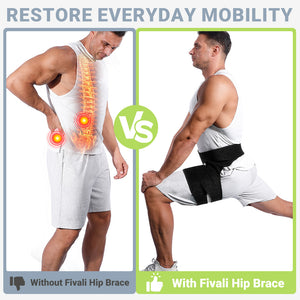
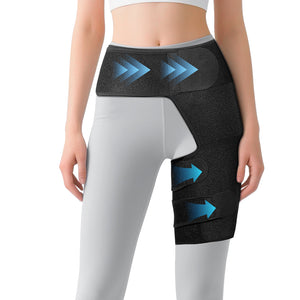
✧ Unisex Hip and Thigh Compression Brace Adjustable Design for Sciatica Thigh Injury Pain Relief FHM04
- Stabilizes Hip & Pelvic Joints
- Supports Muscle & Tendon Fast Recovery
- Targeted Compression for Bursitis & Tendonitis Relief
- Universal Fit for Left and Right Side
- Unisex & One-Size-Fits-Most Design
- Skin-Friendly Fabric for All-Day Comfort

Practical Steps for Applying Pelvic Wraps
Proper application ensures the compression stays focused on the deep gluteal area rather than slipping around the waist or upper thigh.
Step-by-Step Fitting Sequence
-
Secure the main waistband firmly around the upper hips, just below the waistline.
-
Align the thigh strap around the upper leg, ensuring the compression pad sits over the lateral hip joint.
-
Pull the secondary tension straps forward to increase pressure across the rear gluteal region.
-
Test movement by taking a few short steps, adjusting strap tension to eliminate pinching or slipping.
Checking Fit and Comfort
The wrap should feel snug and supportive without causing numbness, skin discoloration, or sharp groin pressure. Proper placement delivers targeted pressure over the hip socket while leaving the abdomen free to breathe naturally.
Complementary Movement Techniques
While a hip compression brace provides critical external support, pairing external stabilization with gentle, non-aggressive movement fosters long-term tissue mobility and strength.
Gentle Mobility Routines
-
Soft foam rolling along the outer hip and quad muscles
-
Controlled hamstring stretches using an exercise strap
-
Gentle standing hip extensions to keep gluteal muscles active
-
Pelvic tilts performed lying flat on a firm mat
Building Core and Hip Stability
Strengthening the surrounding gluteus medius, gluteus maximus, and abdominal muscles prevents the piriformis from taking on excess load. Strong hips maintain joint alignment naturally, reducing the need for continuous external bracing over time.
Long-Term Outlook for Active Recovery
Managing piriformis strain requires a multi-faceted approach centered on stress reduction, movement modification, and joint stabilization. Integrating targeted support tools helps break the cycle of recurring muscle spasms and nerve irritation.
Using a high-quality hip compression brace during high-demand movements provides immediate stability while protecting the deep gluteal structures. Questions regarding do sciatic nerve leg braces work reveal that secondary leg wraps can manage radiating discomfort, but stabilizing the primary pelvic joint remains essential.
Combining dynamic pelvic stabilization, mindful movement, and reliable gear from Fivali creates an optimal environment for tissue recovery. By keeping the pelvic region properly aligned, active individuals can stay mobile, reduce nerve pressure, and return to their favorite activities with confidence.
-
Posted in
Brace, Hip Injury