Are Back Braces Effective in Preventing Lumbar Injury?
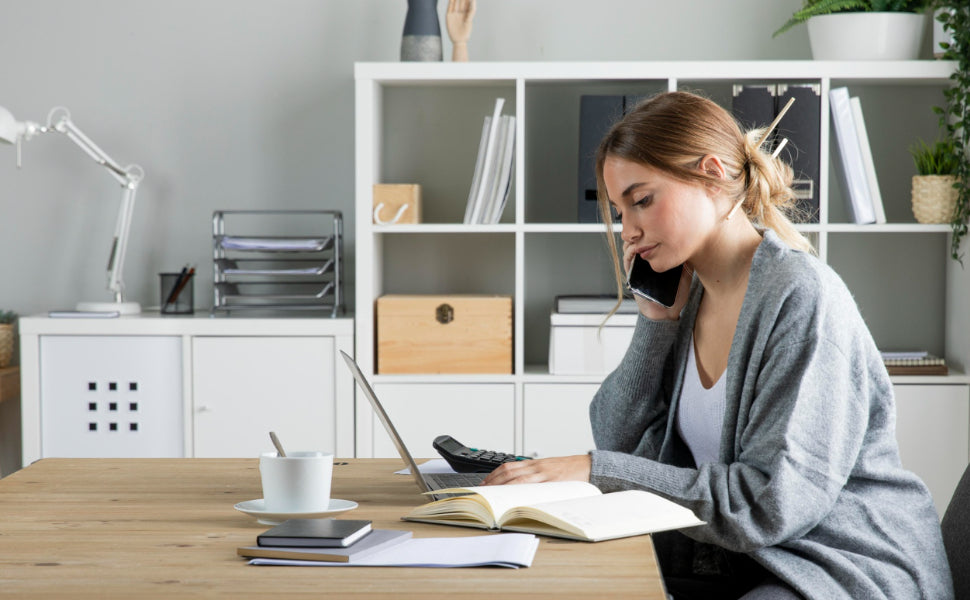
Long hours sitting at a desk often lead to slouching, tight hips, and lower back discomfort. As desk-bound routines become the norm, many office workers and sedentary professionals search for reliable ways to safeguard their spine health. Lumbar support gear has gained massive popularity as a simple, daily intervention. Among the top recommendations in modern ergonomic care, using a fivali back brace is frequently highlighted for maintaining healthy spinal alignment throughout long hours of sitting.
The Reality of Sedentary Living and Lumbar Stress
Extended periods of sitting impose significant biomechanical strain on the human spine. While sitting seems effortless, static postures force the lumbar spine to carry continuous static loads without active muscular engagement.
Biomechanical Strain from Prolonged Sitting
Sitting reduces the natural inward curve of the lower back, flatlining the lumbar arch. This position shifts load-bearing responsibilities away from core muscles and onto passive structures like ligaments and intervertebral discs. Over time, uninterrupted pressure compresses lumbar discs, leading to stiffness, reduced nutrient flow, and increased susceptibility to sudden strain when moving.
Common Signs of Lower Back Strain
Spinal strain manifests in specific daily warning signals:
-
Persistent stiffness in the lower back upon standing up
-
Dull aches along the lower lumbar region after two to three hours of sitting
-
Muscle fatigue in the mid-back caused by slouched posture
-
Sharp tightness when bending over to pick up objects
How Spinal Supports Function During Extended Sitting
Preventive lumbar gear offers external structural reinforcement. Rather than replacing core strength, these devices provide feedback to help the body maintain anatomical positioning.
Mechanical Stability and Intra-Abdominal Pressure
Support belts wrap firmly around the abdominal cavity. Tightening the strap increases intra-abdominal pressure, creating a fluid-filled cushion in front of the spine. This internal pressure counteracts heavy downward force on the lumbar vertebrae, decreasing stress on vulnerable intervertebral discs.
Postural Proprioception
Proprioception refers to the body's awareness of its position in space. Flexible support fabrics provide continuous tactile feedback against the skin and muscles. When posture sags into a deep slouch, the tension of the fabric alerts the wearer to re-align their spine actively.
Evaluating the Benefits of External Back Supports
Desk workers frequently ask specific questions regarding the functionality of lumbar supports and shapewear during everyday sit-stand shifts.
Addressing Daily Posture Concerns
A common question among office workers is: do back braces help posture? The short answer lies in sensorimotor training. Wearing a structured brace limits extreme spinal flexion, keeping the shoulders back and preventing the lower spine from flattening out against office chairs.
Lumbar Support Versus Waist Trainers
Another frequent point of confusion involves compression garments: does a waist trainer help with back pain? While waist trainers compress the midsection for aesthetic shaping, they lack the target vertical stay bones, ergonomic contouring, and breathable compressive lumbar panels essential for genuine lower back alignment. Dedicated lumbar support options prioritize load distribution rather than soft-tissue constriction.
Advantages of Using Dedicated Back Supports
Integrating targeted ergonomic gear into a sedentary routine provides distinct physical and behavioural advantages.
Reduced Lumbar Muscle Strain
Static sitting causes deep spinal stabilizing muscles to become exhausted. A specialized back support takes over a fraction of this load, allowing tired back muscles to relax without letting the lumbar spine collapse into harmful positions.
Targeted Protection During Transitions
Moving directly from hours of sitting to physical tasks—such as lifting boxes, working in the garden, or heading to the gym—presents a high risk for acute lumbar injury. Wearing an extra layer of lumbar reinforcement during these transitional movements protects cold, stiff muscles against unexpected twisting or overextension.
Increased Workstation Comfort
A comfortable lower back directly improves focus and daily productivity. Reducing persistent spinal ache minimizes distraction, allowing desk workers to stay focused without constantly shifting in their chairs to find relief.
Choosing and Integrating Lumbar Support Products
Selecting the right balance between firmness, flexibility, and comfort determines whether a support brace will be effective for long-term daily use.
Features of Effective Support Gear
When evaluating high-quality back support products, look for specific construction elements:
-
Flexible structural stays that contour along the lumbar curve
-
Dual adjustable compression straps for customizable tightness
-
Moisture-wicking, breathable fabrics suitable for wearing under office attire
-
Ergonomic front panels that do not dig into the thighs while seated
Introducing Fivali Lumbar Solutions
For individuals needing dynamic day-long support, Fivali designs ergonomic gear tailored to modern lifestyle challenges. Using a high-performance fivali back brace gives sedentary professionals an intuitive balance of sturdy spinal stabilization and flexible movement, ensuring comfortable wear throughout long workdays.
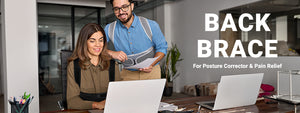
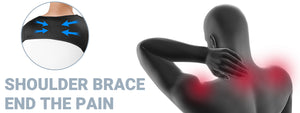
✧ Unisex Back Brace for Posture and Pain Relief Shoulder Straightener FBR03
- 2 in 1 Back Brace Design for Reinforced Support
- User-friendly & Easily Wear by Yourself
- "X" Shaped Back Straps Offer Added Support to Back & Shoulder
- Adjustable & Lightweight Full Back Support
- Upper & Lower Back Pain Relief
- Scoliosis, Hunchback, Hump, Thoracic, Spine Correction

Practical Protocols for Desk Workers
Relying entirely on external gear without active lifestyle tweaks is insufficient for complete spinal longevity. Strategic implementation ensures optimal outcomes.
Gradual Wear Schedules
External support works best as an educational tool rather than a constant crutch.
-
Start with 30 to 60 minutes during peak sitting hours.
-
Wear the support during heavy sitting tasks or transitional physical movements.
-
Remove the belt during light walking or relaxed breaks to let core muscles engage naturally.
Complementary Desk Exercises
Pairing external supports with simple movements maximizes lumbar health:
-
Seated Cat-Cow: Gently arch and round the spine while seated to maintain disc flexibility.
-
Glute Squeezes: Activate hip extensors every hour to relieve tightness in lower back muscles.
-
Hip Flexor Stretches: Stand and stretch the front hips to release tension pulled onto the lower back during long sit times.
Long-Term Prevention Strategies for Sedentary Work routines
Achieving sustainable lower back wellness requires combining ergonomic gear with active habits.
Workstation Adjustments
Optimize the physical workspace to minimize extra stress on the back:
-
Position the computer monitor directly at eye level to keep the spine neutral.
-
Keep feet flat on the floor or on a firm footrest to maintain hip alignment.
-
Adjust chair lumbar cushions so they fit snugly into the lower back curve.
Movement Interventions
Breaking up prolonged static postures remains crucial for disc nourishment:
-
Take a two-minute walking break every 45 to 60 minutes.
-
Alternate between sitting and standing if using a height-adjustable desk.
-
Drink plenty of water throughout the day to support intervertebral disc hydration.
Key Takeaways for Lumbar Injury Prevention
External back supports offer clear advantages for individuals navigating long hours of sitting. By increasing intra-abdominal pressure and supplying continuous postural feedback, a back support effectively limits spinal fatigue and reduces the risk of acute strain during daily transitions.
When selected thoughtfully—such as choosing a well-ventilated fivali back brace—and combined with regular movement breaks, proper ergonomic setups, and active core engagement, lumbar supports serve as valuable tools for maintaining spinal comfort and preventing lower back injuries over a sedentary career.
-
Posted in
Back pain solutions, Brace