Does a Knee Strap Help a Fractured Patella?
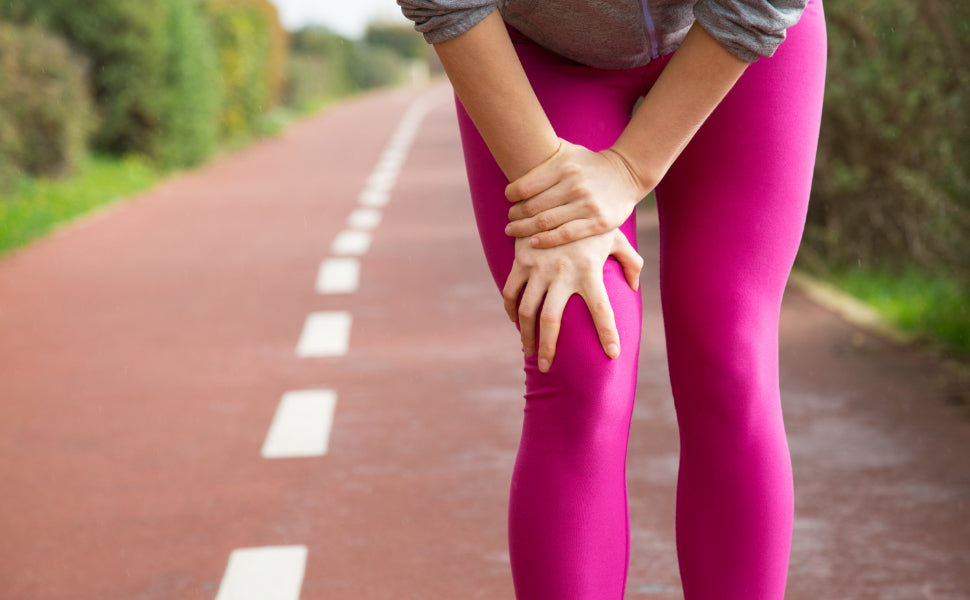
Patella fractures are significant orthopedic events that change how the knee joint bears weight, absorbs impact, and maintains structural alignment. When a kneecap breaks, protecting the area while encouraging gradual mobility restoration is essential for everyday comfort and long-term physical wellness. Individuals recovering from knee injuries often explore various support options to assist their recovery journey. Among the diverse choices available on the market, many ask whether a lightweight knee strap offers sufficient support for a fractured patella or if a full patellar stabilizing brace is better suited for comprehensive joint care.
Navigating the recovery process requires a clear understanding of how different protective devices function. Comparing the structural characteristics of targeted tendon straps against full-coverage stabilizing gear helps individuals choose the optimal support mechanism for their specific stage of physical rehabilitation.
Functional Characteristics of Knee Straps in Joint Management
Knee straps represent a popular, minimally invasive category of joint support. Designed with a slim profile, a traditional patellar strap wraps around the leg directly below the kneecap, applying concentrated pressure to the underlying patellar tendon.
Mechanical Focus of Tendon Compression
The primary function of a knee strap is to alter the angle of pull across the patellar tendon. By dampening vibration and redistributing kinetic load during dynamic movement, a strap excels at managing localized tendon stress. This targeted compression is particularly beneficial for active individuals working through overuse conditions like patellar tendonitis or runner's knee.
Structural Limits for Bone Alignment
While knee straps serve a valuable purpose for soft tissue management, their physical structure is inherently minimal. Because a strap focuses exclusively on the tendon area below the kneecap, it leaves the central and upper sections of the patella open. During the initial recovery phases of a patellar fracture, maintaining broad spatial alignment across the entire bone structure often calls for more extensive coverage than a localized strap is engineered to provide.
Pressure Considerations Around Healing Tissue
A knee strap is designed to concentrate compression onto a very narrow band of tissue. For general tendon conditioning, this concentrated force works effectively. However, when managing a sensitive or healing bone structure, applying localized pressure in a tight perimeter requires careful monitoring to ensure that tension remains comfortable and evenly distributed across the lower limb.

Comparing Knee Straps to Patella Stabilizing Braces
Selecting appropriate protective gear involves matching the mechanical properties of a device to the structural needs of the joint. Simple compression straps and comprehensive stabilizing braces offer distinct levels of enclosure, rigid reinforcement, and tracking control.
| Support Feature | Patellar Knee Strap | Comprehensive Stabilizing Brace |
| Coverage Area | Focused area below kneecap | Complete joint and kneecap enclosure |
| Structural Reinforcement | Flexible targeted compression | Rigid lateral stays and dual-axis hinges |
| Primary Design Intent | Tendon force dampening | Multi-directional tracking & alignment |
Full Joint Enclosure and Protection
Unlike localized straps, a full patella stabilizing brace surrounds the entire knee structure with dynamic compression materials and padded padding. This complete enclosure helps protect the joint against unexpected external bumps while creating a stable environment for structural recovery.
Structural Engineering Elements
Advanced joint supports utilize specialized hardware features to deliver multi-layered joint security:
- Dynamic buttress rings that contour around the kneecap perimeter
- Flexible lateral stays that absorb side-to-side joint stress
- Multi-strap fastening systems that maintain precise position control
Lateral Tracking and Stability Control
Maintaining proper tracking within the femoral groove is vital during post-injury movement. Utilizing the best patella stabilizing brace offers structured lateral hubs that assist in keeping the kneecap centered during bending and extending motions. This comprehensive framework offers high-level support against unwanted twisting or lateral shifts.
Balanced Compression Distribution
Managing swelling while keeping joint tissue comfortable requires even pressure distribution. Premium alignment gear, such as designs featured in a Fivali support sleeve, spreads continuous dynamic compression across the upper and lower soft tissues, supporting circulation without focusing force on any single point of the kneecap.
Role of Knee Straps Across Different Recovery Phases
Protective gear is most effective when aligned with specific milestones along the physical rehabilitation timeline. Transitioning between different support styles helps balance protection with gradual mobility gains.
Early Immobilization and Guided Recovery
In the immediate aftermath of a severe patellar break, primary care focuses on complete rest and rigid protection, often using full-leg splints or rigid braces. As initial bone continuity stabilizes and physical movement is reintroduced, individuals typically progress into a structured brace. Relying on the best patella stabilizing brace during this phase provides robust guidance for controlled joint flexion while shielding the bone from excessive torsional stress.
Intermediate Rehabilitation and Muscle Rebuilding
As muscle strength returns to the quadriceps and surrounding soft tissue, joint stabilization demands begin to shift. The comprehensive support of a patella stabilizing brace helps users regain confidence during walking routines, physical therapy sessions, and light functional training by maintaining structural alignment.
Late-Stage Activity and Tendon Maintenance
In the later stages of recovery, once structural integrity is well-established, lightweight supports regain their prominence. As individuals transition back to active lifestyles, a flexible knee strap becomes a convenient tool to manage residual tendon stress during sports, running, or high-impact exercises.
Selecting High-Performance Protective Gear
Evaluating protective gear requires examining design quality, material breathability, and structural durability to ensure long-term usability and comfort.
Hardware Components and Fasteners
Top-tier bracing systems incorporate advanced materials to maintain reliable joint alignment over extended use. Integrating the best patella stabilizer knee brace into a daily routine ensures that rigid lateral stays and multi-strap closures work in harmony to prevent gear displacement during dynamic movement.
Comfort Features for Daily Wear
Wearability plays a critical role in consistent joint protection. High-quality supports utilize moisture-wicking neoprene blends, perforated synthetic rubber, and smooth lining materials to keep skin cool and prevent friction during extended wear.
Care Guidelines for Support Devices
Maintaining the structural integrity and elasticity of protective gear requires proper upkeep:
- Hand wash using cool water and mild, non-abrasive soap
- Air dry flat away from direct heat sources to preserve elasticity
- Inspect hook-and-loop fasteners and side hinges regularly for wear
Choosing the Proper Joint Support Solution
Both knee straps and stabilizing braces play helpful roles in lower limb protection, but their optimal applications depend on the user's specific stage of recovery. While lightweight knee straps provide targeted compression that excels at relieving tendon stress during late-stage conditioning, managing the broader alignment demands of a patellar fracture calls for comprehensive joint control. Utilizing the best patella stabilizing brace provides the broad structural containment, lateral stability, and tracking control necessary to safeguard the joint, promote comfortable movement, and support long-term orthopedic health.
-
Posted in
Knee Injuries, Recovery