Do You Need Arch Support if You Supinate?
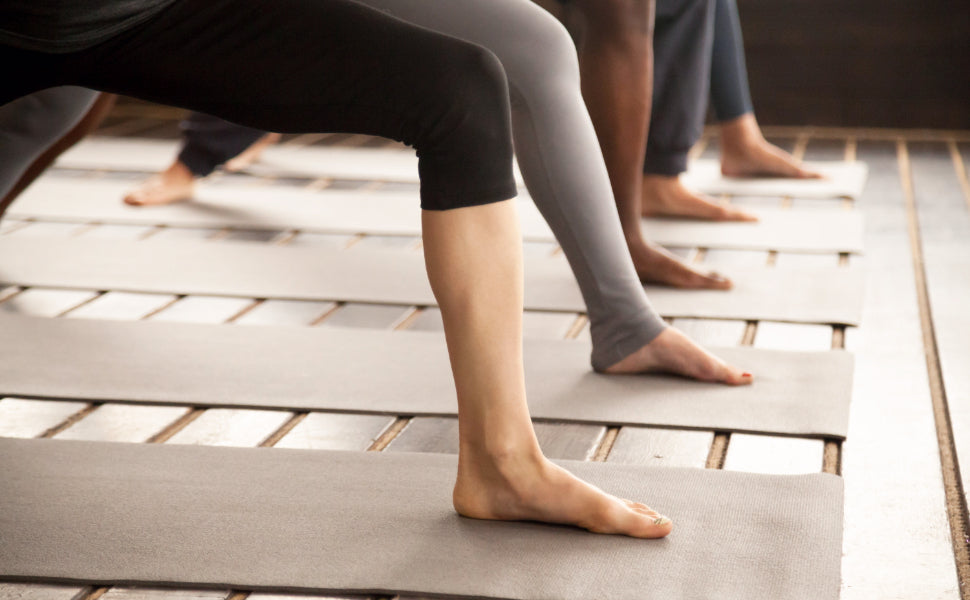
Supination—often called underpronation—happens when your foot rolls outward during movement. Instead of flexing inward to absorb shock like a neutral foot, a supinated foot stays rigid. This mechanics issue places heavy pressure on the outer edge of your sole, sending sharp impact forces straight up into your ankles, shins, knees, and hips.
Managing this outward rolling pattern requires a smart balance: internal footbed support to spread out pressure beneath your sole, paired with external joint stabilizers to protect your lower body from injury.
Biomechanics of Foot Supination
Understanding how your foot lands is the first step toward preventing pain, chronic muscle strain, and joint instability over time. These simple at-home checks help you identify supination:
- Wet Footprint Test: Dampen your foot and step on cardboard. A supinated print shows only the heel, forefoot and outer edge, with a hollow gap under the arch.
- Shoe Wear Check: Inspect old shoe soles. Heavy wear along the outer heel and forefoot edge points to underpronation.
- Mirror Gait Check: Walk slowly before a mirror. Outward tilting of your heel when it hits the ground indicates dynamic supination.
Once you confirm signs of underpronation, you can begin to understand how this rigid foot movement creates natural shock absorption gaps with every step.
Natural Shock Absorption Gaps
During a normal stride, the foot arch flattens slightly upon ground contact to absorb impact energy smoothly. In a supinated foot, the high and stiff arch fails to flex. As a result, ground forces concentrate almost entirely on the heel, the outer side of the midfoot, and the smaller toes, creating continuous stress on your muscles, bones, and surrounding connective tissues.
Structural Alignment Distortions
Because high arches make less surface contact with the ground, your body weight rests on a much smaller base of support. This reduced surface area causes an exaggerated outward tilt during every single step, throwing your entire lower body out of alignment and causing persistent fatigue along your calves, shin bones, and outer knee structures.
Role of Arch Support for Underpronators
A common misconception is that high arches do not need arch support because they appear rigid or do not collapse inward. In fact, underpronation often involves an overly supinated foot structure that benefits from controlled arch support. Proper support reduces excessive outer-edge loading, boosts stability, and establishes a more consistent base for the ankle and lower leg.
Stability Guidance and Motion Control
Arch and ankle support guides the foot toward a more neutral position during movement. Rather than forcing the foot into an unnatural alignment, effective support curbs excessive supination and unwanted heel tilt. This builds a stable foundation for the ankle, enhances motion control, and lowers the risk of compensatory stress through the lower leg.
Combining Footbed Support with Joint Stabilizers
While arch support manages vertical pressure beneath your sole, insoles alone cannot stop your ankle joint from rolling sideways during quick lateral cuts, sudden stops, or steps on uneven ground. Adding an external stabilizer gives you complete, multi-directional joint protection.
Dynamic Ankle Protection
External ankle braces build a firm lateral barrier around the vulnerable joint complex. Athletes who want reliable protection often rely on the best ankle support to prevent rolling to keep their ankle centered securely over the foot during fast-paced sports and intense workouts.
Tactical Proprioception and Joint Awareness
Snug compression braces provide continuous tactile feedback to your skin, tendons, and muscles—a sensory process known as proprioception. This heightened joint awareness helps your nervous system react faster to sudden shifts, triggering quick muscle micro-adjustments before a painful ankle sprain occurs.
Targeted Bracing Strategies for Supination Management
Active individuals who deal with frequent outward foot shifts need dedicated equipment designed to block excessive lateral rolling without restricting your natural forward stride.
Essential Features of Anti-Roll Bracing
High-performance braces combine anatomical contours, heel-locking strap systems, and supportive side stays. Incorporating the best ankle brace to prevent rolling stabilizes the heel bone, keeping your ankle secure during running, jumping, or changing directions on the court.
Biomechanical Innovations by Fivali
Modern athletic brand designs focus on strong protection without adding unnecessary bulk inside your footwear. For instance, Fivali crafts specialized ankle supports equipped with customizable compression straps, breathable technical fabrics, and sleek side stays. Using the best brace for supination gives athletes maximum outer stability, protecting fragile lateral ligaments while preserving full athletic mobility.
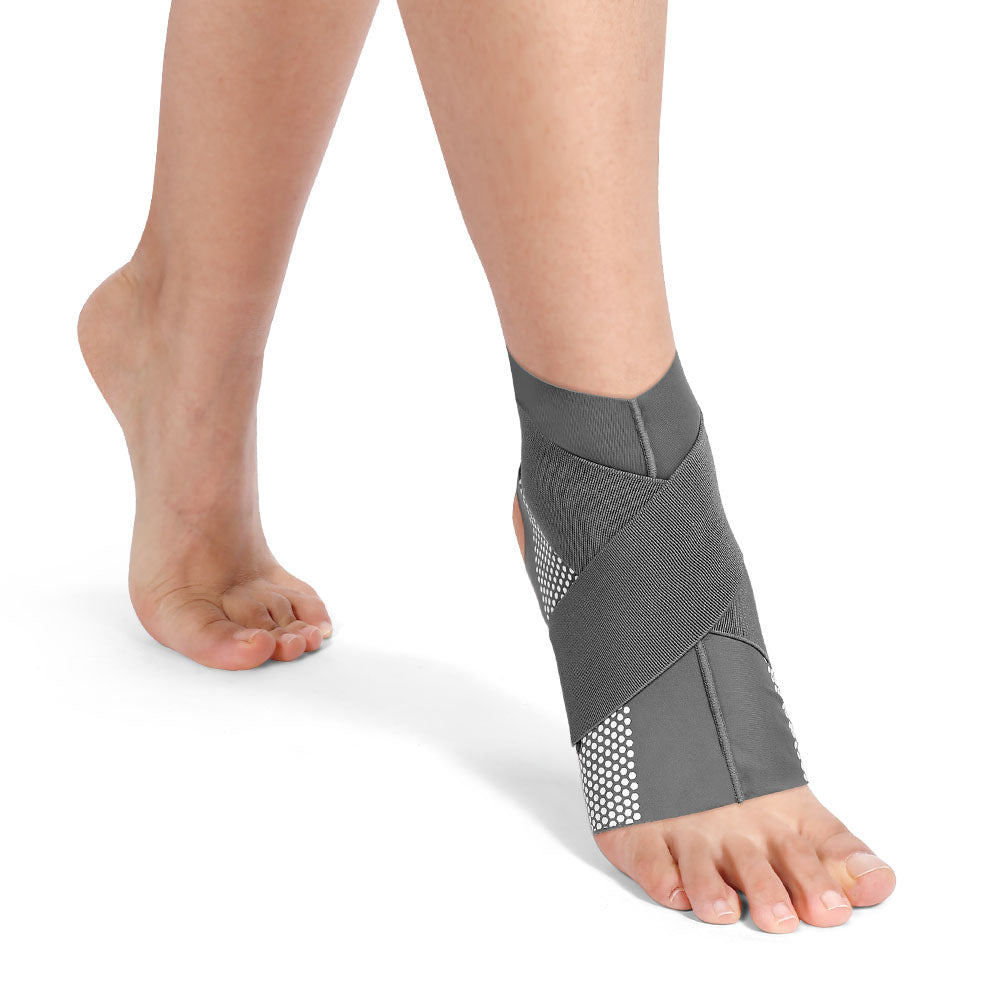
✧ Fivali Adjustable Ankle Compression Support Wrap - 2 Pack FAR04
- Cross-Strap Ankle Stability
- Adjustable Support to Fit Your Needs
- Compression Without the Bulk
- 1 mm Thin and Lightweight for All-Day Comfort
- Support for Everyday Walking & Movement
- Speed Up Ankle Recovery & Pain Relief
Activity-Specific Bracing Guidance
Different environments place unique demands on your feet and ankles. Selecting gear tailored to specific activities ensures you get the right balance of rigidity, breathability, and flexibility.
-
Running: High-mileage road or track running requires lightweight compression paired with flexible lateral stays. The goal is to control minor outward ankle wobbles while allowing a full forward stride without adding bulk inside your running shoes.
-
Hiking: Navigating uneven trails, loose gravel, and sudden incline changes demands high structural rigidity. Rigid side supports and multi-strap locking systems prevent severe ankle twists when your foot strikes uneven ground.
-
Daily Wear: For standing at work or running daily errands, comfort and slim profiles are essential. Soft, breathable knit braces provide gentle midfoot alignment and mild support that easily fits into casual or professional footwear.
-
Recovery Phase: Rehabilitating from an ankle strain or chronic joint fatigue requires maximum stability. Firm, non-stretch bracing restricts unwanted lateral movement, allowing overstretched ligaments to heal safely under controlled compression.
Support Matrix for Underpronation
Here is a quick overview of how different support tools work together to correct outward weight shifts, reduce strain, and keep your body aligned.
| Support Element | Biomechanical Mechanism | Key Functional Benefit |
| Contoured Arch Support | Fills high arch hollow space | Redistributes force away from the outer foot edge |
| Lateral Ankle Support | Prevents outer joint collapse | Mitigates excessive rolling and lateral sprains |
| Adjustable Compression | Enhances sensory proprioception | Delivers real-time stability and reduces joint fatigue |
| Targeted Brace Systems | Secures heel and ankle alignment | Protects kinetic alignment during lateral motion |
Strategic Action Steps for Optimal Gait Stability
Protecting your joints over the long term requires combining the right supportive gear with smart daily maintenance and exercise habits.
Footwear Sole Inspection
Check the outsoles of your athletic shoes regularly for uneven wear patterns. If the outer edges are deeply worn down, they will actively push your feet further outward with every step. Replacing worn-out shoes ensures your footbed remains level, flat, and fully supportive.
Peroneal Muscle Strengthening
Strengthening the peroneal muscles—which run along the outside of your lower legs and ankles—builds active muscle strength. Stronger peroneal tendons help your legs naturally resist sudden outward ankle rolls during dynamic sports.
Integrated Support Setup
For high-impact activities, court sports, or long-distance running, pairing supportive insoles with the best brace for supination creates a total defense against foot fatigue, outer edge pressure, and structural joint strain.

Long-Term Benefits of Proper Alignment Support
Addressing foot supination with contoured arch support and structured external bracing delivers long-lasting physical benefits for your entire body. Correcting outward weight shifts relieves localized pressure points, reduces muscle fatigue, and shields outer ankle ligaments from recurrent sprains. Incorporating effective protective gear like the best brace for supination helps you move with power and confidence, keeping your body balanced, aligned, and comfortable through every stride.