Does Exercise Help Chronic Pain?

Chronic pain is a complex condition that extends far beyond physical discomfort. It alters sleep patterns, limits social interactions, and drains the emotional energy needed for a fulfilling life. Emerging research highlights a deep biological connection between persistent pain and mental health. The brain regions that process physical pain also regulate mood and stress responses. This overlap explains why anxiety and depression frequently accompany long-term physical suffering. When pain wears an individual down emotionally, the resulting distress renders the physical symptoms even harder to manage. Breaking this cycle requires a proactive approach that combines physical movement with targeted joint support.
The Intersection of Movement and Persistent Pain
Physical activity is often the most consistent recommendation across modern pain management research. Engaging in regular movement benefits both physical comfort and psychological well-being simultaneously. When individuals remain sedentary due to discomfort, muscles weaken and joints stiffen, which ultimately intensifies the baseline level of pain.
Consistent movement interrupts this downward spiral. Low-impact activities keep the musculoskeletal system functioning while triggering the release of endorphins, the body's natural mood enhancers. Consistency matters far more than intensity. Even short sessions of ten to fifteen minutes of daily movement can create positive momentum, enhancing overall mobility and rebuilding confidence.
Strategic Activities for Different Types of Discomfort
Tailoring the choice of exercise to specific physical challenges ensures safety while maximizing therapeutic benefits. Different joints and muscle groups require unique approaches to maintain stability and reduce friction.
Low Impact Cardiovascular Movement
Activities like walking, water aerobics, and cycling provide cardiovascular benefits without placing excessive stress on weight-bearing joints. Swimming and water therapy are particularly effective because the buoyancy of water unloads the joints, allowing for a wider range of motion without a corresponding increase in discomfort.
Targeted Strength Training
Building the muscles around vulnerable joints provides natural cushioning and alignment. For individuals dealing with lower body issues, strengthening the quadriceps and hamstrings protects the joint capsule. For those managing spinal discomfort, focusing on the core and back stabilizers is crucial. Developing strong back stabilizers ensures that the spine remains properly aligned during daily tasks, reducing the risk of sudden flare-ups caused by awkward twisting or lifting.
Flexibility and Balance Exercises
Gentle stretching and balance training help maintain joint elasticity and prevent falls. Practices such as tai chi or structured stretching routines enhance proprioception, which is the body's ability to perceive its position in space. Improved balance directly lowers the risk of acute injuries that can exacerbate existing chronic conditions.
Joint Stabilization and Mobility Aids
Remaining active with chronic conditions sometimes requires external assistance to manage joint stress. Utilizing supportive gear allows individuals to participate in physical activities that might otherwise feel too daunting.
Lower Body Support Strategies
The joints of the lower compliance bear the brunt of daily impact. When structural changes occur within these joints, targeted mechanical support can restore structural alignment and reduce localized pressure.
For individuals experiencing severe discomfort in the major hinge joints of the leg, an orthotic sleeve or brace can provide the necessary stability to continue daily walks. This type of intervention is highly relevant for those managing degenerative joint conditions like Osteoarthritis Of The Knee. Utilizing a structured knee support during periods of extended standing or walking helps distribute weight more evenly across the joint surface, preventing the localized friction that triggers painful inflammatory responses.
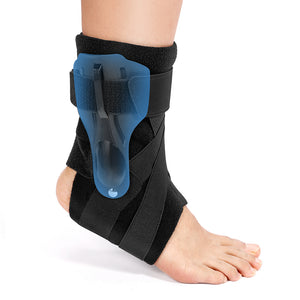
Similarly, the lower extremities often require stabilization during lateral movements or when navigating uneven terrain. Utilizing specialized ankle braces can prevent micro-tears and rolled joints, giving individuals the confidence to engage in outdoor activities without the constant fear of sudden instability.
Upper Body and Spinal Maintenance
The human spine requires a delicate balance of flexibility and strength. When structural support is compromised, external braces can temporarily assist the torso, allowing individuals to perform rehabilitation exercises with less immediate discomfort. These aids serve as a temporary bridge while internal muscular strength is being rebuilt.
Designing a Balanced Activity Plan
A successful movement strategy relies on progression and monitoring rather than pushing through severe discomfort. The following structure outlines how to balance activity types throughout a typical week.
| Activity Category | Weekly Frequency | Primary Objective | Example Exercises |
| Low-Impact Cardio | Three to Five Times | Enhance circulation and stamina | Brisk walking, stationary cycling |
| Strength and Stability | Two to Three Times | Reinforce back stabilizers and core | Pelvic tilts, seated leg raises |
| Flexibility | Daily | Reduce stiffness and expand range | Gentle hamstring stretches, cat-cow |
Joint Stabilization and Mobility Aids
Remaining active with chronic conditions sometimes requires external assistance to manage joint stress. Utilizing supportive gear allows individuals to participate in physical activities that might otherwise feel too daunting, keeping them moving safely.
Relieving Lower Body Joint Friction
Weight bearing exercises can sometimes cause uneven pressure on the lower extremities. For individuals managing structural changes like Osteoarthritis Of The Knee, adding a dedicated knee support acts as a shock-absorbing cushion. It helps distribute your body weight more evenly across the entire joint capsule, which significantly dampens the deep, aching pressure that usually follows a daytime walking routine.
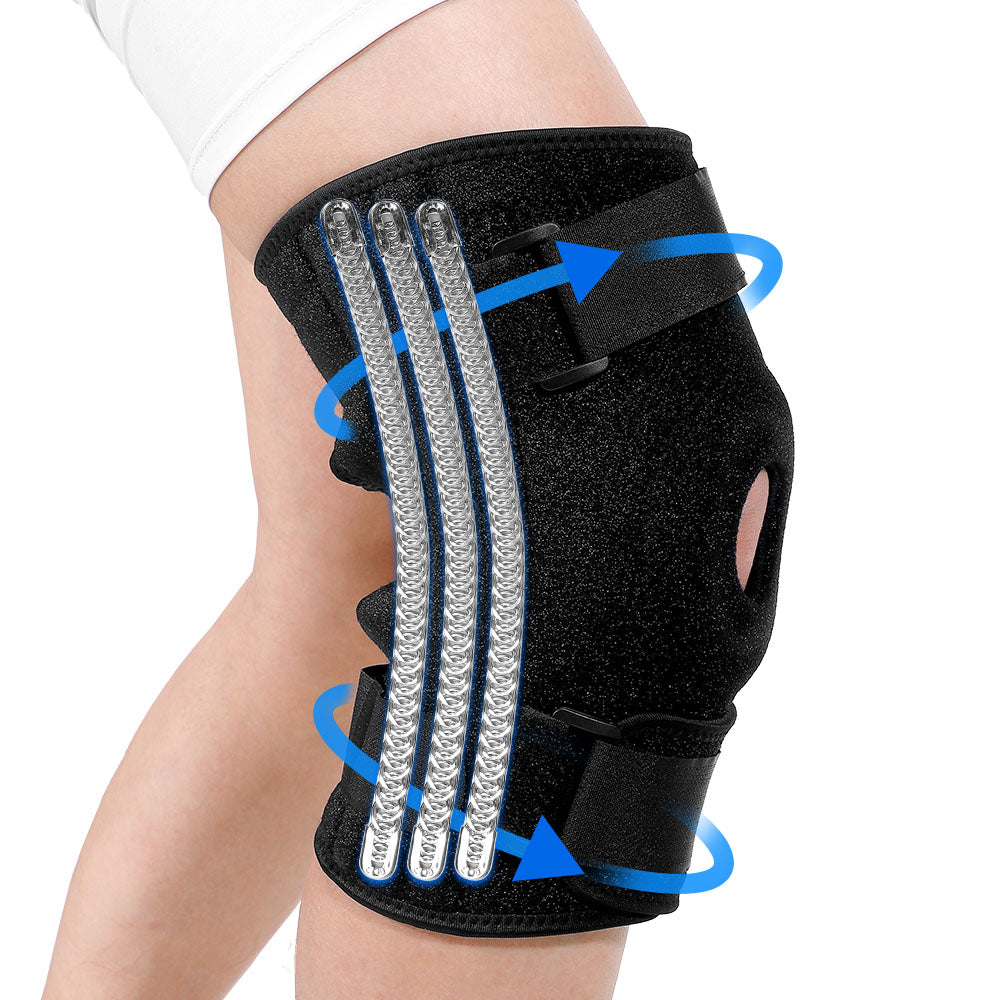
- Triple Metal Springs Stabilizers for Reinforcement
- Plus Size Fit for Obese People, Large Legs
- 3D Breathable Circular Wrapping
- Flexible Velcro Design for Strong Adhesion
- Zero Slip During Lifts, Bends, Walks
Stabilizing the Foot and Lower Leg Baseline
Navigating sudden steps, gravel paths, or standing for hours puts an immense workload on the lower ligaments. Slipping dependable ankle braces into your regular footwear provides continuous compression that holds the joint in its correct alignment. This gentle reinforcement prevents painful micro-twists, removing the constant worry of giving out so you can focus entirely on your movement goals.

- Premium Breathable & Elastic Materials
- Adjustable Straps for Secure Fit
- Great Ankle Compression
- Speed up Ankle Recovery & Pain Relief
Reinforcing Spinal Alignment During Daily Tasks
Muscles around the torso naturally tire out after a long day of sitting or running errands, leading to slouching that pinches sensitive nerves. An upright compression brace works directly with your body's natural back stabilizers to steady your center of gravity. It absorbs the dull, pulling strain from your lower lumbar area, making it much easier to stay upright and active without muscle exhaustion.

Managing Physical Discomfort Proactively
Waiting until discomfort reaches a peak before taking action keeps an individual in a reactive, stressful loop. A proactive strategy utilizes daily habits to manage inflammation and joint strain before they escalate.
Tracking Triggers and Patterns
Maintaining a simple log of daily activities and subsequent comfort levels helps identify specific patterns. Recognizing that certain movements or weather changes precede a flare-up allows for timely adjustments to the daily routine, such as reducing workout intensity or increasing rest periods.
Thermal Therapy Schedules
Applying heat or ice according to a set schedule helps regulate localized circulation. Heat is generally beneficial for relaxing tight muscles and stiff joints before movement, while ice is highly effective for reducing inflammation after an activity session.
Utilizing Quality Orthopedic Gear
Integrating high-quality braces into a daily routine can prevent the cumulative strain that leads to major flare-ups. Reliable brands, such as Fivali, offer specialized supports designed to minimize joint stress during demanding physical tasks. Wearing a knee support or using ankle braces before a walk ensures that the joints remain aligned, allowing the user to focus on the benefits of the exercise rather than the management of discomfort.
Frequent Inquiries Regarding Movement and Pain
Why does chronic pain affect sleep?
Pain makes it hard for the body to relax enough to fall into a deep sleep. When you do not sleep well, your body produces more stress hormones. This makes your nerves extra sensitive, so you feel even more pain the next day.
Does exercise help chronic pain?
Yes. Gentle movement acts like oil for stiff joints and triggers the brain to release natural pain relievers. Starting with easy options like a stationary bike or light pool exercises for a few minutes daily helps you build momentum safely.
What should you do during a sudden pain flare-up?
You should lower your activity level but try not to stay completely still. Doing a very short, slow walk inside the house or some simple stretches keeps your blood flowing and stops your muscles and joints from locking up.
How does drinking water help your joints?
Water is the main ingredient in the fluid that coats and protects your cartilage. When you stay hydrated, this natural cushion stays thick and slippery. This significantly cuts down on the friction and grinding you feel during daily tasks.
Can a daily routine lower stress and pain levels?
Yes. Having a predictable schedule calms your nervous system. When your body knows exactly when it will eat, move, and rest, it stops producing sudden stress spikes. Fewer stress spikes mean your body is less sensitive to everyday discomfort.
Can wearing a brace help with chronic pain?
Yes. Compression sleeves and wraps take physical pressure off your joints and keep them properly lined up. This extra support stops the tiny, awkward shifts that irritate sore tissues, making it much easier to handle your daily chores.
Sustainable Long Term Health Management
Addressing chronic physical challenges requires patience and a holistic perspective that acknowledges the deep connection between physical stability and mental resilience. Small, consistent choices, such as performing a short daily walking routine or wearing a targeted compression sleeve during household chores, accumulate over time into significant health benefits.
By focusing on functional independence and utilizing appropriate orthopedic tools, individuals can effectively disrupt the cycle of discomfort and distress. Taking control of mobility options empowers people to reclaim their favorite activities, paving the way toward a more active, fulfilling, and balanced life.
-
Posted in
Healthy Lifestyle, Pain, sports