What Is the Best Compression Gear for Runners with Knee Pain?
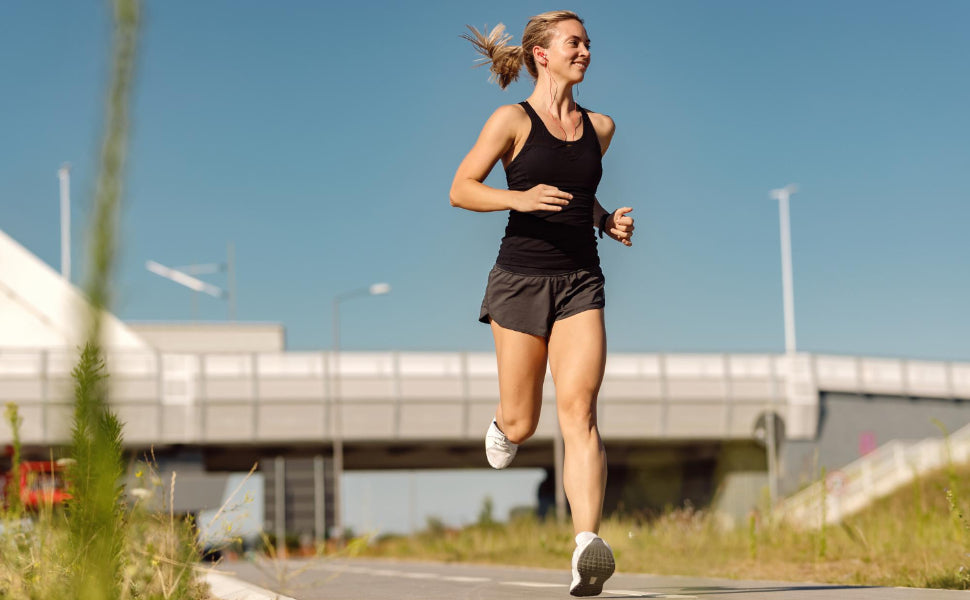
Running delivers an unmatched sense of freedom, but nagging joint discomfort can quickly derail training goals. Whether tackling high-volume marathon prep or casual neighborhood miles, managing repetitive impact on the legs remains a top priority. Compression garments have become essential toolkits for active individuals seeking support, warmth, and joint stabilization. Choosing the right compression gear helps maintain proper mechanics and keeps daily training routines on track.
Understanding Knee Pain Mechanics in Distance Running
The human knee functions as a complex hinge joint absorbing three to four times body weight with every footstrike. Over time, continuous mileage can stress the surrounding tendons, ligaments, and cartilage. Recognizing where and why discomfort occurs allows runners to select gear tailored to their specific biomechanical needs.
Common Factors Behind Lower Limb Discomfort
Runner's knee often stems from micro-trauma and overuse rather than acute injuries. Several factors contribute to recurring joint soreness:
- Rapid increases in weekly training volume or intensity
- Wearing worn-out footwear lacking adequate cushioning
- Weak hip abductors and gluteal muscles causing poor tracking
- Running on hard or tilted surfaces like concrete and cambered roads
- Inadequate dynamic warming up prior to high-tempo sessions
Addressing Specialized Pain Locations
Discomfort often manifests in specific zones around the joint. For example, sharp or persistent knee pain on inside of knee frequently points to medial collateral ligament strain or pes anserine bursitis. Compression gear provides targeted surface pressure, boosting local circulation and proprioceptive feedback to assist alignment during movement.
Core Benefits of Compression Gear for Runners
Compression wear applies graduated external pressure to the lower extremities. This targeted compression optimizes blood flow, decreases muscle oscillation, and supports the joint structure during extended physical effort.
Enhanced Blood Circulation and Reduced Swelling
Graduated pressure encourages venous return back toward the heart, helping flush out metabolic waste during long efforts. Improved blood flow also minimizes fluid accumulation, reducing post-run swelling around the kneecap.
Proprioception and Muscle Stabilization
The constant tactile input of compressive fabric against the skin heightens proprioception—the body's awareness of joint positioning in space. Enhanced sensory feedback promotes smoother stride mechanics and reduces structural drift when fatigue sets in late in a run.
Warmth and Joint Stiffness Relief
Keeping joints warm increases synovial fluid flexibility, allowing the knee to bend and extend smoothly. Compressive material retains body heat around sensitive tendons, easing stiffness during early morning runs or cold-weather workouts.
Choosing the Right Compression Style for Your Stride
Runners can select from several styles of compression apparel depending on support preferences, weather conditions, and personal comfort.
Full-Length Compression Tights
Compression tights provide continuous support from the waist down to the ankles. They assist the hamstrings, quadriceps, calves, and knees simultaneously, making them ideal for cold runs or recovery days.
Compression Calves and Knee Wraps
Separate calf sleeves and adjustable wraps offer localized tension. Adjustable straps allow users to customize pressure over specific tender spots, though wraps can occasionally slip during dynamic movements.
Dedicated Knee Sleeves
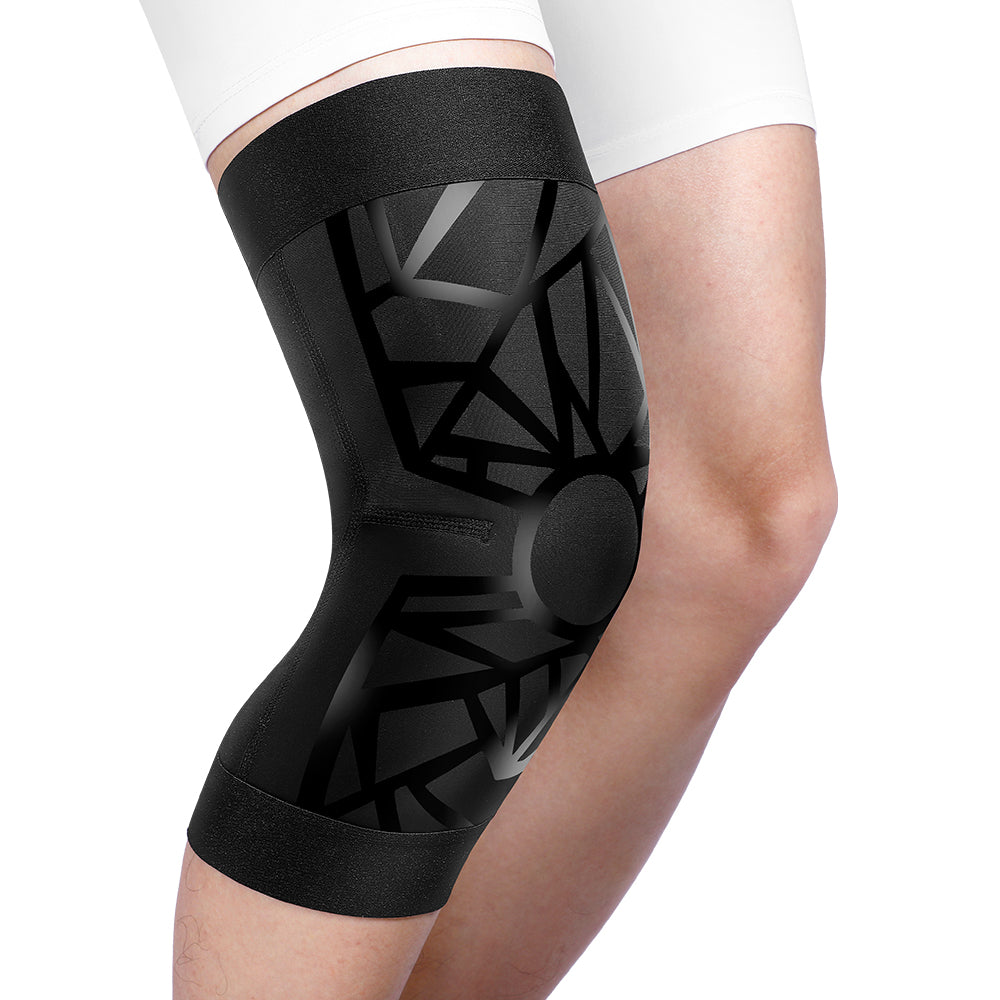
Designed specifically for targeted patellar support, dedicated sleeves fit snugly around the joint without restricting full range of motion. Top options like Fivali focus on anatomical shaping to ensure comfortable movement across high-mileage runs.
Fivali Recommendation
✧ Fivali Compression Knee Sleeves for Running 2 Pack FKR10
- Comfortable and Breathable Fabric, Comfortable to Wear
- Thick Printing Enhances Knee Pressure
- Upper and Lower Mouth Anti-Slip Silicone, Not Easy to Slip
- Mesh Breathable Stitching on the Back for Comfort and Breathability
Key Selection Factors for Knee Compression Sleeves
Selecting high-performance compression requires balancing flexible support, breathability, and durability. High-quality knee sleeves for running must remain secure without sliding down during fast-paced strides.
Material Selection and Breathability
Look for moisture-wicking synthetic blends such as nylon, spandex, or breathable neoprene alternatives. Fabrics with high airflow capability prevent sweat buildup, reducing irritation and chafing over long distances.
Anatomical Fit and Anti-Slip Technology
A sleeve must stay positioned without cutting off circulation. Quality designs feature silicone wave grips inside the top band to keep the material anchored securely against the thigh during sweaty workouts.
Flexible Support vs. Movement Restriction
Stiff braces with metal hinges restrict natural leg movement and belong in medical rehab settings. Running-specific gear provides dynamic elastic resistance that supports the joint while preserving full extension and flexion.
Selecting the Best Knee Sleeves for Running
Finding gear that delivers optimal balance between comfort and stability requires evaluating key product attributes.
Lightweight Breathable Sleeves for Daily Training
For regular training on paved roads, lightweight knit fabric sleeves provide gentle support and maximum temperature control. These options keep knees warm while letting heat escape during warm afternoon workouts.
Reinforced Compression Sleeves for Long Distances
Runners training for half-marathons or full marathons benefit from dual-density knit designs. Strategic target zones surrounding the kneecap help absorb vibration, making them among the best knee sleeves for running during heavy mileage blocks.
Convertible Strapped Sleeves for Targeted Relief
When precise tension adjustment is needed around the inner or outer joint line, designs featuring cross-straps allow customized stabilization. Adding light tension near the medial line helps manage knee pain on inside of knee during technical trail runs or steep downhill segments.
Integrating Compression Wear into Your Running Routine
Compression gear works best as part of an integrated approach to movement efficiency and recovery. Incorporating sleeves correctly maximizes durability and performance benefit.
Proper Sizing Guidelines
Accurate measurement ensures optimal function:
- Stand upright with knees fully extended
- Measure circumference around the mid-patella or 4 inches above the kneecap
- Match measurements against brand sizing charts without downsizing for extra tightness
- Verify that the top band fits snug without binding or pinching skin
Best Practices for Pre-Run and Post-Run Wear
Put sleeves on before starting warm-up drills to prepare muscles and joints. After completing a run, leave compression wear on for 30 to 60 minutes to aid recovery before washing and resting the legs.
Long-Term Maintenance and Care Instructions
Proper care preserves elasticity, compression levels, and anti-slip performance over extended use.
Hand Washing and Air Drying
Machine washing and heat drying break down elastane fibers quickly. Wash compression gear by hand in cool water using mild detergent, then air dry flat away from direct heat sources.
Replacing Worn-Out Compression Apparel
Compression garments naturally lose tension over time. Inspect gear regularly for stretched-out seams, thinned fabric, or reduced elasticity. Replacing worn sleeves every six to eight months maintains optimal joint support.
Comprehensive Care Strategies Beyond Compression
Compression sleeves provide invaluable structural support, but pairing them with broad conditioning habits ensures long-term running success.
Cross-Training and Strength Work
Building strong glutes, quadriceps, and hamstrings creates natural dynamic protection around joints. Squats, lunges, single-leg step-ups, and side-lying leg raises strengthen key stabilizing muscles.
Surface and Footwear Rotation
Alternate running routes between soft surfaces like dirt trails, synthetic tracks, and paved roads. Rotating two pairs of running shoes extends foam cushioning life and exposes feet to subtle variations in impact patterns.
Strategic Gear Selection for Pain-Free Running
Selecting the best knee sleeves for running comes down to finding the ideal blend of targeted tension, flexible materials, and secure fit. High-performance knee sleeves for running provide the stability and joint warmth necessary to maintain consistent training momentum. By combining reliable compression wear with smart volume management and strength training, runners can navigate high-mileage goals with confidence and ease.