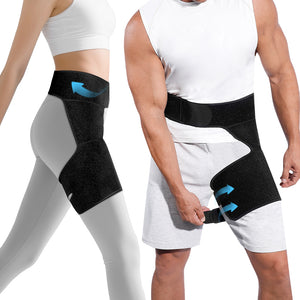
Best Knee Compression Sleeve for Running
- Black
- Green
- Orange
- Pink
- Black
- Blue
- Green
- Red
- Orange
- Blue
- Dark Blue
- Black
- White
- Red
- Blue
- Black
- Blue
- Red
- Orange
- Yellow
- Black
- Blue
- Green
- Red
- Blue
- Black
- White
- Red
- Dark Blue
- Grey
- Black
- Blue
- Pink
- Grey
- Black
- White
- Light Black
- Black
- Light Grey
- Grey
- Magenta
- Black
- Green
- Black
- Grey
- Red
- Blue
Is it OK to run with a Knee Compression Sleeve?
Running is a popular and highly beneficial form of cardiovascular exercise, offering immense rewards for your physical and mental well-being. However, the repetitive impact of pounding the pavement can sometimes cause discomfort or strain, particularly in your lower-body joints. When you run into this friction, many athletes and casual joggers wonder how effective supportive gear really is. Specifically, is it really okay to run with a knee compression sleeve? The short answer is an enthusiastic yes. Let’s dive into the advantages, how it works, and what to consider when adding this supportive accessory to your active lifestyle.
The Science Behind the Support: Why Runners Use Them
These specialized garments are meticulously crafted to provide varying degrees of support, soothing warmth, and targeted pressure to the joint area. The primary goal of a high-quality compression knee sleeve is to boost localized blood circulation. By optimizing blood flow, these sleeves help flush out lactic acid, reducing post-workout swelling and fighting premature muscle fatigue.
Whether you're recovering from a minor tweak, managing chronic discomfort from years of high-impact sports, or taking a proactive approach to protect your knees from future setbacks, supportive gear can be a game-changer. It stabilizes the complex joint structure, ensuring your patella tracks correctly as you move.
Unpacking the Major Benefits for Runners
Enhanced Proprioception and Body Awareness
One of the most fascinating yet overlooked advantages of slipping on this gear is enhanced proprioception. This term refers to your central nervous system’s natural ability to sense your body's positioning and movement in space. The fabric's snug fit provides continuous sensory feedback to your brain. This heightened body awareness helps you subconsciously correct your running form, leading to a more efficient stride and significantly reducing the risk of awkward foot landings or missteps that might otherwise cause injury.
Joint Warmth and Improved Flexibility
Cold joints are stiff joints, and stiffness is the enemy of any runner looking to log miles comfortably. By trapping natural body heat, the fabric keeps your ligaments and tendons warm, supple, and elastic throughout your workout, from the first mile to the final sprint.
Faster Recovery Times
The benefits do not stop the moment you finish your run. The sustained pressure aids in lymphatic drainage, meaning that you will experience less soreness and stiffness the following day. This helps you stick to your training schedule without excessive fatigue derailing you.
How to Choose the Perfect Gear for Your Strides
Finding the best compression knee brace for running requires looking beyond basic aesthetics. You need a product that harmonizes seamlessly with your body's unique biomechanics.
Perfecting the Fit and Tension Level
Your gear must offer substantial support without acting as a tourniquet. It should feel snug and secure but never overly restrictive. A reliable rule of thumb is to seek out an option that grants you a completely unhindered, full range of motion. Knee compression braces for running generally range from mild, everyday support to firm, athletic-grade stabilization. Choosing the right tension depends on your comfort preferences and the specific demands of your training regimen.
Material Matters: Breathability and Comfort
Because running generates significant body heat and sweat, prioritizing moisture-wicking and highly breathable fabrics is non-negotiable. Premium materials prevent chafing, minimize odor buildup, and keep your skin dry, so you can stay focused on your pace rather than constantly adjusting a slipping, sweaty band.
Evaluating Design Lengths and Styles
Another critical factor is overall length and structural design. Some athletes prefer extended, full-length models that cover the entire joint and surrounding muscles, offering maximum warmth and coverage. Conversely, others prefer shorter, minimalist designs or those with targeted patellar openings. These open-kneecap variations deliver concentrated stability to the kneecap without creating excessive bulk or bunching behind the joint during a stride.
Tips for Maximizing Your Gear's Lifespan
To keep your supportive wear elastic and structurally sound, proper maintenance is essential. Always hand wash the fabric in cool water using mild soap, and let it air dry completely away from direct sunlight or harsh heat sources. Avoid heavy machine washing or tumble drying, as aggressive agitation and high temperatures can quickly break down the elastic fibers and compromise the essential pressure levels you rely on.