What Not to Do with Elbow Bursitis?

The olecranon bursa is a thin, specialized fluid sac positioned directly between the bony tip of the elbow and the skin above it. In normal healthy joints, this fluid layer acts as a smooth, frictionless sliding cushion, allowing skin and tendons to glide easily over bone during daily bending, reaching, and swinging movements. However, when repetitive contact, heavy friction, or sudden direct impacts cause this sac to inflame, excess fluid rapidly fills the space. This localized swelling creates a tender, noticeable bump that restricts smooth motion.
Effectively navigating this joint condition requires a balanced approach. While focusing on protective habits is important, strictly eliminating everyday physical mistakes is equally critical to prevent setting back your progress and causing ongoing irritation.
Direct Mechanical Strain and Workplace Hazards
Everyday work activities often introduce subtle physical forces that continuously irritate swollen joint tissues. Because the outer skin layer covering the tip of the arm is thin, routine workstation setups and sitting posture choices play a massive role in day-to-day comfort.
Leaning Forearms Against Hard Surfaces
Placing the arm directly onto unpadded wooden desks, glass tabletops, or solid chair armrests forces localized fluid directly against the inflamed lining of the bursa. When body weight rests continuously on a hard edge, mechanical pressure builds up without any cushion, leading to repeated micro-trauma and encouraging further fluid accumulation. Maintaining a small clearance space between the joint tip and hard furniture helps keep the area entirely free from surface contact.
Sustained Deep Arm Flexion
Holding the arm in a tight, bent angle for extended periods—such as holding a phone up, reading in bed, or working intensively on a laptop—stretches the overlying skin tightly across the swollen sac. This prolonged skin tension exerts constant physical compression across the joint, restricting natural fluid drainage and causing deep localized discomfort. Keeping the arm at a relaxed, gentle angle whenever resting prevents this unnecessary tissue tension.
Gear Selection Errors and Protective Cushioning
Equipment choices directly dictate how well the joint copes with environmental hazards, routine chores, and physical activity. Using inappropriate gear or wearing support items incorrectly can exacerbate tissue irritation.
Mistakes to Avoid When Choosing Support
-
Using Unpadded Compression Sleeves: Plain elastic sleeves provide warmth, but they completely lack soft padding to absorb physical bumps against doors, furniture, or equipment.
-
Selecting Rigid Braces Prematurely: Wearing overly stiff immobilizers when light protection is sufficient needlessly restricts normal joint motion and can cause secondary stiffness in adjacent arm muscles.
-
Wearing Loose Support Sleeves: Gear that slides during basic movement causes repeated friction across sensitive, inflamed skin.
Effective Protective Solutions
-
Impact-Absorbing Barriers: Utilizing specialized elbow pads for bursitis creates a resilient physical cushion over the vulnerable joint tip, scattering external contact forces before they reach the fluid sac.
-
Targeted Desk Cushioning: Equipping a well-fitted bursitis elbow pad redistributes point-contact pressure away from the joint, allowing you to complete daily work tasks without pain.
-
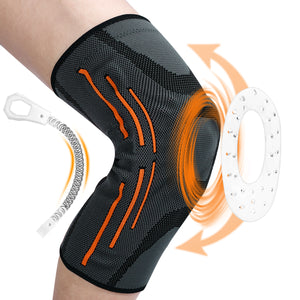
Lightweight Daily Support: Protective options like a Fivali support sleeve combine breathable compression with localized padding, keeping the area shielded during routine household chores and light exercise.
-
Consistent Wear During Risk Factors: Putting on elbow pads for bursitis prior to engaging in physical tasks ensures continuous impact protection against sudden accidental knocks.
☆ Fivali Top Pick

- Fish Scale-Shaped Spring
- Dual Pressure Straps
- Chloroprene Rubber Fabric
- Personalized Customization
Daily Life and Activity Management Guide
To simplify your daily choices across sports, work, and exercise, use this clear guide to swap harmful habits for safe alternatives.
| Activity Category | Action to Avoid | Recommended Alternative |
| Desk Work | Leaning joint on hard wood/glass | Soft desk pad or padded sleeve |
| Racquet Sports | Full-force serves and backhands | Controlled short-court volleys |
| Weight Training | Heavy dips and triceps pushdowns | Light isometric holds and raises |
| Cardio Exercises | Aggressive rowing machine reps | Upright stationary cycling |
Sports Performance and Exercise Missteps
Active individuals frequently struggle to adjust their training schedules when joint fluid builds up. Continuing full-intensity athletic movements or aggressive resistance workouts often triggers sharp physical setbacks.
High-Velocity Swing Dynamics
Executing high-speed athletic movements—such as heavy tennis serves, backhand drives, golf swings, or explosive throwing drills—places severe tensile strain on the triceps tendon where it connects over the bursa. The combination of rapid acceleration and tendon friction prevents inflamed tissues from settling down properly.
Range-of-Motion Over-Extension
Fully extending the arm under heavy weight loads compresses the fluid sac tightly beneath adjacent tendon attachments. Modifying training parameters to work within a comfortable, mid-range motion prevents unnecessary mechanical pinching.
-
Pause High-Speed Drills: Temporarily halt fast swinging and sudden stopping movements until joint swelling subsides.
-
Scale Back Weight Loads: Reduce resistance levels by at least fifty percent during upper-body strength workouts.
-
Keep Sessions Short: Limit active physical exercise sessions to short intervals to stop repetitive friction from accumulating.
Home Care and Self-Management Mistakes
Handling joint swelling at home requires careful attention. Applying incorrect home remedies can easily intensify localized swelling or introduce unnecessary complications to surrounding tissue.
Misapplying Thermal Therapies
Applying direct heating pads, deep-heat rubs, or hot compresses onto an actively swollen joint dilates local blood vessels. This increased vascular flow drives even more fluid into the sac, worsening local tension and visible swelling.
Conversely, applying bare ice packs directly onto exposed skin risks tissue damage and localized nerve discomfort. Cold therapy should always be wrapped in a thin fabric towel and applied for brief, controlled intervals.
Physical Manipulation and Puncture Hazards
Rubbing, massaging, or forcefully squeezing the swollen bump disrupts delicate internal linings and encourages additional fluid leakage. Massaging an actively inflamed bursa increases mechanical friction rather than soothing the area.
Attempting to puncture or drain the swollen fluid sac at home using unsterilized needles carries severe risks. Breaking the skin barrier introduces surface bacteria directly into a closed cavity, leading to serious joint infections that require emergency intervention.
Daily Action Checklist for Managing Elbow Bursitis
To maintain steady progress and keep joint swelling minimal, integrating simple protective rules into daily routines is vital:
-
Eliminate Direct Contact: Keep the tip of the joint entirely clear of hard desks, chair armrests, and counter edges.
-
Wear Soft Cushioning: Equip a reliable bursitis elbow pad or soft protective sleeve before starting physical tasks or desk work.
-
Modify Exercise Habits: Pause high-speed swinging, heavy pushing exercises, and deep triceps bending routines.
-
Maintain Tissue Integrity: Refrain from massaging, pressing, or attempting to drain the swollen sac under any circumstances.
Addressing elbow bursitis effectively relies on removing unnecessary friction, buffering the joint against external impacts, and respecting physical boundaries. By avoiding direct surface pressure, scaling back physical exercise intensity, and using appropriate protective sleeves, the joint remains safeguarded against continuous irritation, paving the way for smooth, long-term functional recovery.
-
Posted in
Brace, Elbow injury