Why Do People Where Bands Under Knees While Running?
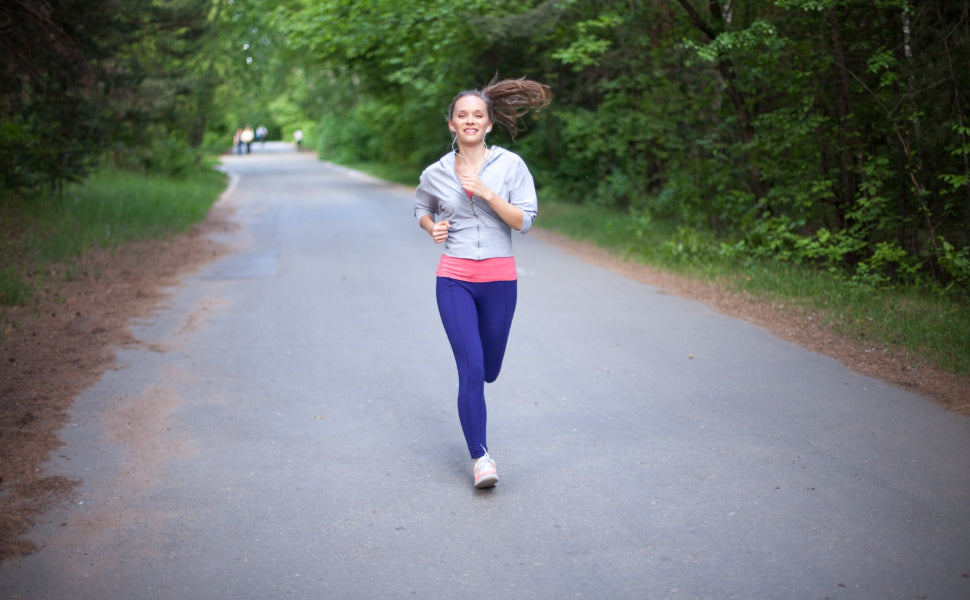
Running is one of the most accessible and effective forms of cardiovascular exercise, yet it places immense repetitive stress on the lower body. Among the various accessories worn by runners, small straps positioned just beneath the kneecap are remarkably common. These narrow bands serve a specific biomechanical purpose, targeting conditions that commonly affect long-distance runners, sprinters, and recreational joggers alike.
Beneath the kneecap lies the patellar tendon, which connects the quadriceps muscles to the shinbone. During every stride, this tendon absorbs forces multiple times a person's body weight. Understanding how small patellar bands and supportive gear interact with the knee joint helps explain why so many runners rely on them for daily training.
Biomechanical Role of Sub-Patellar Bands
The primary reason athletes wear a band directly below the knee joint is to manage kinetic energy and alter the direction of tension placed on the patellar tendon. Rather than covering the entire joint, these narrow straps focus localized pressure on a single anatomical site.
Tendon Load Redistribution
When the foot strikes the ground, the quadriceps contract forcibly, pulling on the patellar tendon. A band worn beneath the kneecap acts as a mechanical damping mechanism. By applying direct, firm pressure across the tendon, the band flattens its angle of insertion slightly, dissipating force across a wider surface area instead of allowing high stress to concentrate on a single point.
Proprioceptive Feedback and Joint Tracking
Beyond physical force absorption, sub-patellar straps provide continuous tactile feedback to the brain, a process known as proprioception. The dynamic pressure against the skin heightens sensory awareness around the joint. This improved awareness encourages better dynamic alignment during the gait cycle, preventing minor lateral tracking issues of the patella as the leg bends and extends.
Common Running Conditions Addressed by Patellar Straps
Repetitive impact often leads to overuse conditions in the lower limbs. Patellar bands are specifically designed to address issues arising from high-volume training schedules and sudden changes in terrain or intensity.
Patellar Tendonitis and Jumper's Knee
Patellar tendonitis involves localized inflammation caused by micro-tears in the tendon fibers. Runners suffering from this condition often feel a sharp or aching pain directly beneath the kneecap, particularly during downhills or rapid accelerations. Wearing a tight band compresses the affected tissue, reducing vibration and limiting excessive movement of the tendon during foot strike.
Patellofemoral Pain Syndrome and Runner's Knee
Patellofemoral Pain Syndrome (PFPS), commonly referred to as runner's knee, occurs when the kneecap does not glide smoothly over the lower end of the thighbone. While full coverage gear is often utilized for this issue, a targeted band helps stabilize the base of the patella, maintaining a consistent track within the femoral groove during continuous movement.
Comparing Patellar Bands and Full Compression Sleeves
While sub-patellar bands are popular for pinpointed pressure, many runners opt for full-length options that cover the entire knee complex. Choosing between a narrow strap and a full sleeve depends largely on individual anatomy, specific comfort preferences, and overall leg shape.
Targeted Local Pressure Versus Full Joint Coverage
Patellar bands offer a minimalist approach. They allow maximum airflow, unrestricted movement behind the knee, and light physical weight. Full compression sleeves, on the other hand, provide uniform pressure across the entire joint, promoting blood flow, reducing general muscle oscillation, and offering warmth to surrounding tissues.
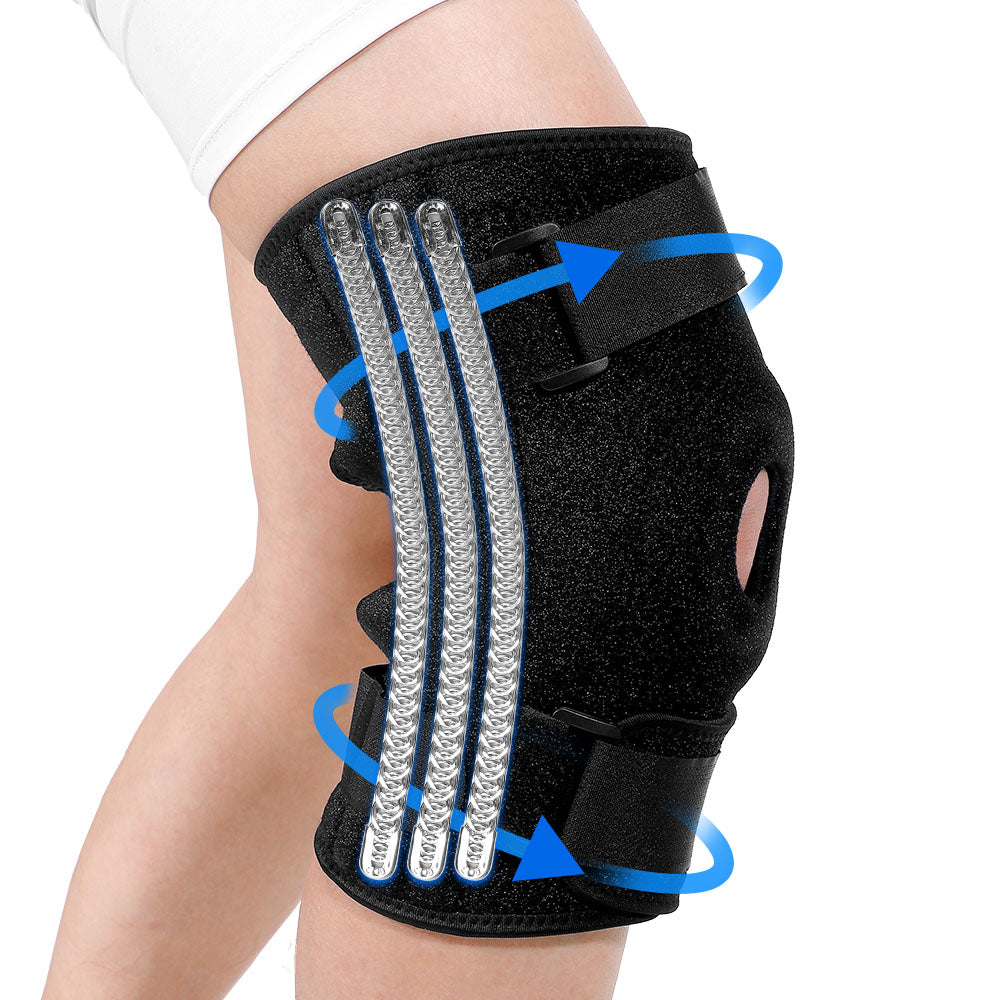
For runners seeking total joint stability alongside tendon relief, selecting the best knee compression sleeve for running provides comprehensive support that a narrow strap cannot fully replicate. A high-quality full sleeve retains heat around the joint fluid, helping keep the entire structure mobile during cold-weather workouts.
Addressing Different Leg Anatomies
Body composition plays a major role in how supportive gear fits during a run. Narrow straps can sometimes dig into larger legs, whereas full sleeves offer a smoother distribution of pressure across the thigh and calf.
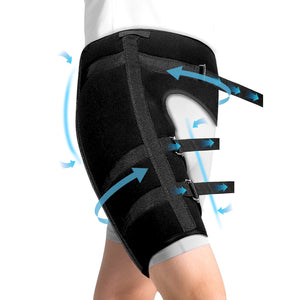
Finding proper fit is crucial for individuals with larger muscle mass or distinct leg shapes. Utilizing a designated knee support for big thighs prevents the gear from rolling down or pinching skin during extended miles. A proper fit ensures that compression remains continuous without restricting vascular circulation or causing superficial skin irritation.
Fivali Recommends
Selecting the Ideal Knee Support Gear for Running
Selecting the right supportive equipment involves assessing material quality, sizing precision, and intended usage patterns. Runners must evaluate how different designs integrate with their specific stride characteristics and mileage goals.
Key Features of High-Performance Compression Gear
Quality materials dictate the durability and comfort of running gear. High-grade synthetic blends containing nylon and spandex provide resilient elastic tension that does not degrade after repeated washing.
-
Breathability and Moisture Management: Advanced moisture-wicking fabrics draw sweat away from the skin, preventing chafing and irritation beneath the band or sleeve.
-
Non-Slip Silicon Grips: Upper borders lined with hypoallergenic silicone waves prevent the material from migrating downward during rhythmic leg extensions.
-
Anatomic Contouring: Pre-shaped knitting patterns match the natural flexion of the human leg, minimizing fabric bunching behind the popliteal space.
When evaluating full coverage options, finding the best compression knee sleeve for running requires balancing firm structural stabilization with total freedom of motion. The sleeve must fit snugly enough to exert therapeutic pressure without impeding normal knee flexion.
Proper Sizing and Application Techniques
Improperly fitted gear can hinder performance rather than enhance it. A band or sleeve that is too tight restricts blood flow, while a loose product offers no mechanical benefit.
-
Accurate Measurement: Use a flexible tape measure to determine thigh and calf circumferences at specified distances above and below the center of the kneecap.
-
Positioning: Place patellar bands directly into the soft notch beneath the kneecap, securing the strap so it feels firm but comfortable when standing.
-
Testing Mobility: Perform several deep bodyweight squats and short sprints to confirm the gear stays in position without causing localized discomfort.
For everyday training routines, investing in the best compression sleeve for knee performance ensures reliable durability across varying weather conditions and long training blocks. High-performance models feature targeted structural optimizations—such as Fivali’s sports braces—to meet the needs of active athletes for enduring joint stability.
Optimizing Long-Term Knee Health for Runners
While external bands and supportive sleeves serve valuable functions in load management and comfort, long-term joint health depends on a holistic training program. External gear works best when integrated into a broad framework focused on physical conditioning.
Strengthening Surrounding Muscle Groups
The knee joint relies heavily on surrounding musculature for alignment and dynamic force distribution. Weak quadriceps, hamstrings, or gluteal muscles transfer excessive force directly onto passive joint structures and tendons. Incorporating compound strength exercises such as lunges, step-ups, and single-leg squats fortifies the muscles responsible for stabilizing the leg during impact.
Incorporating Flexibility and Mobility Drills
Tightness in the quadriceps and hip flexors increases resting tension on the patellar tendon, pulling the kneecap upward with elevated force. Regular foam rolling and dynamic mobility drills targeting the hips, calves, and quadriceps relieve excess kinetic tension, allowing the kneecap to glide naturally along its track.
Key Takeaways on Sub-Patellar Bands and Running Gear
Wearing a narrow band beneath the kneecap is a functional approach to managing mechanical stress during running. By redistributing forces away from the patellar tendon and enhancing physical awareness of joint position, these simple tools assist athletes in maintaining consistent training volume.
Whether utilizing a specialized patellar band or choosing full coverage gear such as the best knee compression sleeve for running, athletes benefit from matching their support choices to their unique anatomical needs. Combining proper external gear with strength training, adequate recovery, and appropriate fitting choices such as knee support for big thighs establishes a dependable foundation for pain-free running over many years. Utilizing a reliable best compression knee sleeve for running alongside a proven best compression sleeve for knee stability empowers runners to pursue their mileage goals with enhanced confidence and mechanical efficiency.