Dominate Your Sport: Choosing the Best Athletic Wrist Support for Performance & Injury Prevention
With the peak summer training season in full swing and Fourth of July holiday weekend tournaments fast approaching, nothing stalls your athletic momentum quite like a nagging wrist injury. Whether you are gearing up for a community tennis match, a long-distance cycling event, or pushing toward a new personal record in the gym, your wrists bear an immense amount of repetitive stress and heavy impact.
Navigating the crowded market of athletic gear can feel overwhelming. Should you opt for a rigid splint, a flexible wrap, or a light compression band? As an athlete actively evaluating your options, you don't just need a generic accessory—you need authoritative guidance on matching the specific biomechanics of your sport with the exact level of stabilization required.
This guide breaks down the critical differences in athletic wrist wear, empowering you to make a confident decision that protects your joints, enhances your performance, and keeps you in the game.

Wrist Support 101: Understanding Braces, Wraps, and Bands
The most common mistake athletes make is purchasing the wrong type of gear for their specific activity level. Understanding the differences between support structures is the first step in choosing a wrist brace that works for you.
- Wrist Braces (Maximum Stabilization): Designed with rigid inserts, these are built for high-level injury recovery and prevention. They restrict unwanted movement, making them ideal for individuals managing prior injuries who cannot risk hyperextension.
- Wrist Wraps (Adjustable Stability): Made of durable, slightly elastic materials, wraps allow you to control the level of compression. They are engineered to prevent the wrist from bending backward during heavy pushing movements without completely immobilizing the joint.
- Wrist Bands and Sleeves (Light Compression & Proprioception): These slide easily onto the wrist, providing gentle compression, warmth, and increased joint awareness. They are perfect for sports requiring high mobility and flexibility.
Match Your Sport: Targeted Support for Your Unique Needs
Your sport dictates your required level of mobility and support. Here is how to evaluate the right Fivali gear based on the unique demands of your training.
Weightlifting and Powerlifting
The Challenge: Hyperextension and grip fatigue under extreme loads.
The Solution: When evaluating a bench press wrist brace or wrap, you need structural integrity that prevents the wrist from collapsing under a heavy barbell.
For intense lifting sessions, the Fivali Wrist Wraps Lifting for Intense Activities are unparalleled. They feature highly adjustable compression, allowing you to easily tighten them right before a heavy set and loosen them during rest periods. This customized stiffness prevents hyperextension while supporting optimal force transfer. For athletes participating in gridiron training alongside weightlifting, football wrist wraps often feature a similar demand for durability and joint lockdown.

Tennis and Racquet Sports
The Challenge: Repetitive motion strain, violent shock absorption, and the need for unimpeded rotational mobility.
The Solution: Racket sports require a delicate balance. You need enough support to absorb the shock of a high-speed volley, but enough flexibility to execute a proper top-spin.
The Fivali Wrist Guards for Sports (FWR04) provide targeted wrist protection specifically engineered for these dynamic movements. Their lightweight, breathable fabrics ensure comfort during long matches under the summer sun, while the non-slip grip elements ensure the guard stays perfectly in place during aggressive swings. Interestingly, many racket athletes who suffer from lateral epicondylitis also seek a wrist support for tennis elbow to help alleviate forearm tendon strain, proving how interconnected arm mechanics truly are.
Cycling and Mountain Biking
The Challenge: Constant vibration absorption, nerve compression (handlebar palsy), and sustained gripping.
The Solution: Cyclists rarely need rigid immobilization; instead, they require ergonomic support that mitigates the micro-traumas caused by rough terrain.
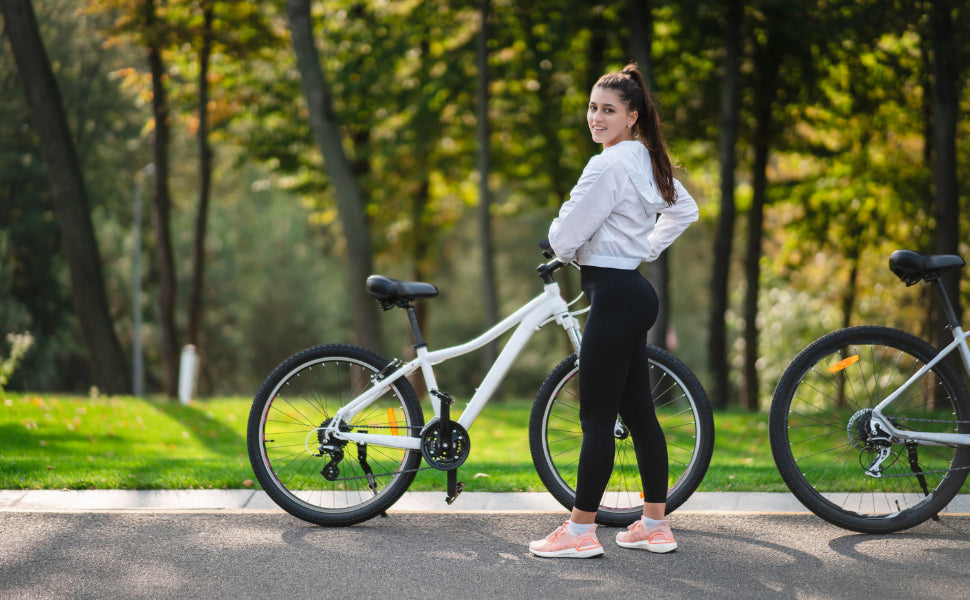
The Fivali Sports Wrist Bands Prevent Sprain and Strain offer the perfect degree of light, consistent compression. They promote healthy blood flow and reduce the fatigue associated with gripping the handlebars for hours. Sometimes, cross-training athletes might look for a wrist splint for tennis elbow to recover off the bike, but while riding, this flexible sports band is the better choice for maintaining agility and control.
Beyond the Brace: Maximizing Wrist Health
While selecting the right Fivali gear is a massive step forward, long-term athletic success requires a holistic approach. Relying solely on equipment without addressing underlying weaknesses can limit your potential.
- Understanding the Risks: Educating yourself on common wrist injuries in sports, prevention, and first aid is vital. Knowing the difference between a mild strain and a severe ligament tear dictates whether you need rest or can safely continue training with proper support.
- Building Core Strength: Focus on optimizing grip strength and wrist stability for weightlifting. A stronger forearm naturalizes the stress placed on the joint, allowing your gear to act as an enhancer rather than a crutch.
- Enhancing Joint Awareness: Don't underestimate the role of proprioception: how braces enhance awareness in athletes. The gentle tactile feedback from a quality band signals your brain to instinctively align your joint properly during complex movements, significantly reducing the risk of accidental tweaking.
Why Fivali Works: The Anatomy of Trusted Support
Since 2014, Fivali has been engineered by active adventurers, for active adventurers. When you are in the evaluation phase, looking for a reliable wrist brace, the small design details are what separate premium performance gear from generic alternatives.
If you are recovering from a specific trauma and require a dependable sprained wrist support, you need uncompromising structural integrity. This is where the Fivali Wrist Brace for Sports with Aluminum Plate shines. If you've been searching for an aluminum bar support wrist brace, this product delivers rigid, contoured stabilization that aligns the joint in a neutral position, expediting recovery while preventing further damage.
Furthermore, Fivali’s commitment to using high-grade breathable fabrics means our products wick away sweat, preventing skin irritation during rigorous summer workouts. The implementation of robust Velcro and non-slip linings ensures that once you set your compression level, it stays locked in securely from your warm-up to your final cooldown.

Frequently Asked Questions
1. What are the main types of athletic wrist support available?
Athletic wrist support primarily comes in three forms: rigid wrist support (braces) for maximum stabilization and injury recovery, adjustable wrist wraps for controlled compression during heavy lifting, and lightweight wrist bands or sleeves for gentle compression and increased joint awareness.
2. How do I choose the right wrist support for my specific sport?
Your choice should align with your sport's biomechanical demands. Weightlifters need wraps to prevent hyperextension, while racquet sports athletes require flexible guards for shock absorption and rotational mobility. Cyclists benefit from light compression bands for vibration absorption and sustained gripping.
3. Will wearing rigid wrist support weaken my wrist over time?
When used appropriately for high-impact activities or during injury recovery, rigid support will not weaken your wrist. It's intended for necessary stabilization, complementing natural strengthening exercises.
4. How should I determine the correct tightness for my wrist wraps or bands?
Wraps and bands should be snug enough to secure the joint firmly without restricting circulation or causing discomfort. For heavy lifting, tighten wraps just before a set and loosen them slightly during rest periods to ensure proper blood flow.
5. How does Fivali support contribute to overall wrist health?
Fivali gear enhances joint awareness (proprioception) and provides targeted support. Combined with understanding injury risks, building core strength (grip/forearm), and Fivali's high-grade breathable fabrics and secure fastenings, it promotes a holistic approach to long-term wrist health and performance.
6. Can Fivali athletic support products be washed?
Yes, hand-wash Fivali gear in cold water with mild detergent and air-dry it to maintain the integrity of elastic materials, non-slip grips, and structural components. Avoid machine drying, which can degrade the materials.
7. What makes Fivali wrist support stand out for athletes?
Fivali products are engineered by active adventurers, focusing on specific design details like high-grade breathable fabrics for comfort, robust hook-and-loop fasteners for secure compression, and specialized features like aluminum plates for rigid stabilization in injury recovery. This commitment ensures premium performance and durability.
Secure Your Performance
Evaluating the right sports gear is ultimately about investing in your body's longevity and performance. Whether you require the unyielding support of an aluminum plate to recover from an injury, or the flexible compression of a sports band to push through a grueling cycling route, selecting equipment tailored to your specific biomechanical needs is non-negotiable.
Take the guesswork out of your training. Equip yourself with specialized support designed to handle the exact demands of your sport, and tackle your next match, ride, or lifting session with absolute confidence.