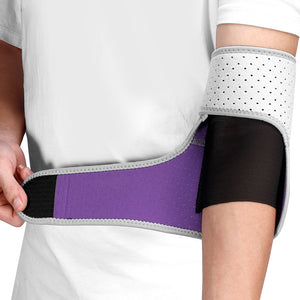
Wrist Brace for Tennis Elbow
- Black
- Grey
- Blue
- Purple
- Pink
- Black
- Dusty Blue
- Blue
- Pink
- White
- Pink
- White
- Yellow
- Purple
- Black
- Black
- Grey
- Grey
- Black
- Blue
- Grey
- Blue
- Black
- Black
- Blue
Does a Wrist Brace Help with Tennis Elbow?
If you are suffering from a persistent, burning ache on the outer part of your elbow, you are likely dealing with lateral epicondylitis, commonly known as tennis elbow. While the name suggests a sports-related injury, this condition frequently strikes office workers, painters, carpenters, and anyone who performs repetitive arm and hand movements. When seeking relief, many people focus solely on treating the elbow itself. However, a highly effective and often overlooked strategy involves stabilizing the joint further down the arm.
A wrist brace for tennis elbow is specifically designed to limit wrist motion, thereby alleviating chronic strain on the elbow. But how exactly does restricting your hand movement help your upper arm? The answer lies in the complex human anatomy and the continuous biomechanical relationship between your extremities.
The Biomechanical Connection: Why Immobilization Works
To understand the rationale behind using a wrist brace for elbow pain, you must first look at how the forearm is structured. The muscles and tendons responsible for extending your wrist and lifting your fingers do not start in the wrist; they originate all the way up at the lateral epicondyle—the bony bump on the outside of your elbow.
Every time you type on a keyboard, grip a steering wheel, or swing a racket, these forearm extensor muscles contract and pull on that specific point of the elbow. Over time, repetitive pulling causes micro-tears and tendon inflammation. By stabilizing the wrist joint and preventing repetitive flexion and extension, a brace can effectively reduce tension in these muscles. Consequently, this simple restriction relieves the pulling pressure on the lateral epicondyle, giving the overused tendons the necessary downtime to repair themselves.
Key Benefits of Using an Elbow Wrist Brace
Integrating an elbow wrist brace into your daily recovery routine can provide several immediate and long-term benefits for lateral epicondylitis sufferers:
1. Targeted Compression and Swelling Reduction
Beyond mere immobilization, a snug brace offers therapeutic compression. This gentle, sustained pressure helps reduce localized inflammation around the joint. By decreasing swelling, the brace helps improve overall blood circulation in the forearm. A nutrient-rich, oxygenated blood flow is absolutely critical for flushing cellular waste and promoting rapid healing of damaged tendon tissue.
2. Enhanced Daily Functionality
Living with severe tendon inflammation can make simple chores feel impossible. A well-fitted splint offers crucial structural support to the wrist and forearm muscles during physical activities. By absorbing shock and bearing some of the physical load, the brace makes it much easier to engage in daily tasks—such as cooking, lifting light objects, or working at a desk—without exacerbating your pain or causing further micro-trauma to the tendons.
3. Nighttime Protection
Many people unknowingly curl their wrists inward while sleeping, a posture that keeps the extensor tendons in constant, tight tension for hours. Wearing a brace to bed keeps the arm in a neutral, relaxed position, preventing morning stiffness and allowing for uninterrupted overnight healing.
How to Choose the Right Wrist Support for Tennis Elbow
When selecting a wrist support for tennis elbow, finding the perfect balance between comfort and proper fit is key to a successful recovery.
- Proper Sizing: A brace that is strapped too tightly may restrict healthy blood flow and cause numbness in your fingers, while one that is too loose will fail to provide adequate immobilization and support.
- Range of Motion: Look for ergonomic designs that allow for a slight degree of natural movement while still strictly limiting excessive, jerky motions. You still need to be able to use your fingers freely.
- Breathable Materials: Since you may be wearing the support for extended periods, moisture-wicking and breathable fabrics are essential to prevent skin irritation and discomfort.
It is always advisable to consult with a healthcare professional, physical therapist, or orthopedic specialist to obtain personalized recommendations tailored to your specific anatomy and lifestyle, especially if your symptoms persist, worsen, or are accompanied by a sudden loss of grip strength.
A Comprehensive Approach to Tendon Recovery
It is important to note that a splint should never be viewed as a standalone, magic-bullet solution for lateral epicondylitis. While it is incredibly effective in alleviating acute symptoms and preventing further damage, it must be part of a broader, holistic treatment plan.
Rest and Ergonomic Adjustments
Continuing the exact same repetitive motions that caused the injury will severely delay your recovery. Prioritize active rest. Evaluate your daily routine and make vital ergonomic adjustments. If you work at a computer, ensure your keyboard and mouse are positioned so your forearms are parallel to the floor, reducing wrist extension.
Physical Therapy and Strengthening
Once the initial sharp pain and inflammation have subsided, physical therapy becomes an essential component in addressing the root causes of the injury. Guided stretching and targeted strengthening exercises will help restore lost flexibility and build endurance in the forearm muscles. Strengthening the surrounding tissue ensures that your arm can handle future physical stress, which is the most critical factor for long-term recovery and preventing painful relapses.