


Back Support Not Helping? 5 Red Flags Your Brace Doesn't Fit (And How to Fix It!)
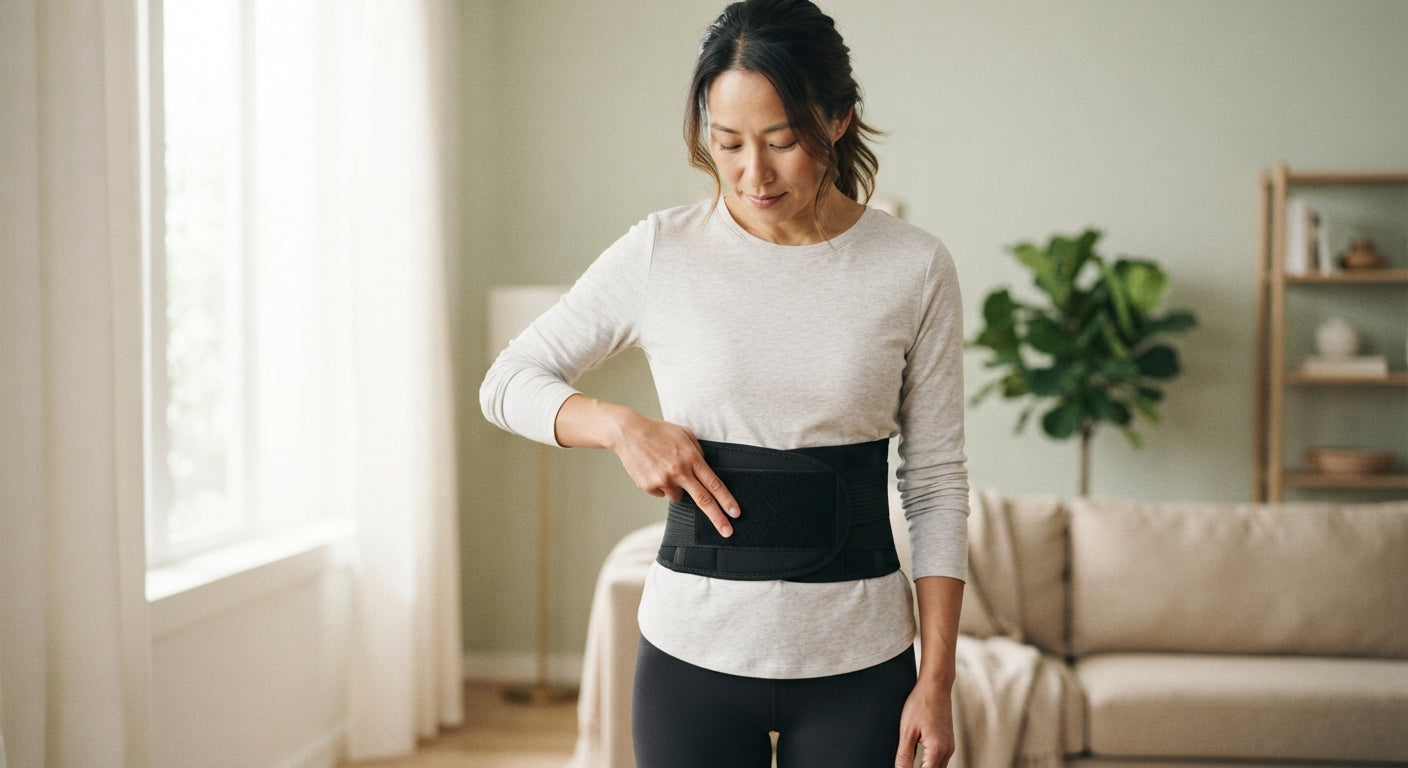
You just purchased a brand-new lower back support, hoping it will be the key to pain-free movement as the warm summer weather pulls us outdoors for yard work, hiking, and active family vacations. You strap it on, ready for relief, but an hour later, you find yourself constantly tugging at it, adjusting the straps, and feeling more discomfort than when you started.
Is this normal? Should a support belt hurt before it helps?
The short answer is no. There is a massive difference between the slight, expected awkwardness of wearing a new supportive garment and actual "fit red flags." When a support isn't sitting correctly on your body, it isn’t just annoying—it can actually work against you, causing muscle strain, skin issues, or restricted circulation.
In this guide, we are going to bridge the gap between common discomfort and serious fit issues. You’ll learn how to "listen" to what your support is telling you, how to fix minor annoyances on the spot, and how to know when it’s time to rethink your sizing entirely.
The Foundation: What Does a "Good Fit" Actually Feel Like?
Before we look for the problems, we need to know what right feels like. A properly fitted support should feel like a firm, reassuring hug around your core and lower lumbar region. It should:
- Feel snug, but never restrictive: You should be able to breathe deeply from your belly without feeling suffocated.
- Stay put: It shouldn't ride up to your ribs or slide down over your hips when you walk or sit.
- Promote posture: It should serve as a gentle physical reminder to keep your spine aligned, not force you into an unnatural, rigid position.
When a support strays from these core principles, your body will start sending you warning signals.

The "Red Flags" Checklist: Symptoms of a Poor Fit
It is incredibly common to confuse the symptoms of a poorly fitted support with general back pain. Here is how to distinguish fit-specific red flags from standard soreness. Understanding the proper way to wear a back brace is your first defense against these issues.
1. Slippage and Shifting (The "Too Loose" Flag)
If you find yourself constantly hiking your belt up like a pair of oversized pants, you have a fit issue. Slippage usually means the support is either a size too large, or you haven't engaged the secondary tension straps correctly. A shifting belt provides zero structural support to your lumbar region and can actually disrupt your balance.
2. Pinching, Chafing, and Skin Irritation (The "Friction" Flag)
Take your support off and look at your skin. A light, temporary pinkness that fades quickly is normal. However, if you see deep, persistent red marks, raw spots, or bruising, this is a major red flag. This indicates the material is bunching, the belt is severely overtightened, or the edges are digging into your skin because of incorrect positioning.
3. Labored Breathing or Circulation Issues (The "Constriction" Flag)
If you feel winded while simply sitting at your desk, or if you feel a pulsing pressure in your abdomen, your support is dangerously tight. Your core needs to expand for diaphragmatic breathing. Constricting this not only makes you dizzy but can negatively impact your blood pressure and digestion.
4. Increased Localized Pain (The "Misalignment" Flag)
A support is meant to alleviate pain, not create new pain. If your original ache is in your lower left side, but the belt is causing sharp, new pain directly on your spine or across your hips, the rigid components (like the stays or splints) are likely misaligned with your body’s natural contours.
5. New Numbness or Tingling (The "Urgent" Flag)
This is the most critical warning sign. If you put on your support and suddenly feel a "pins and needles" sensation radiating down your legs, or numbness in your thighs or groin, remove the support immediately. This indicates nerve compression or severe circulation blockage.
Immediate Fixes and Troubleshooting
If you are experiencing any of the first four red flags, don't throw the support in the closet just yet. Try these immediate troubleshooting steps to see if the issue is user error rather than a sizing flaw.
Master the "2-Finger Test"
Before trying any specific fixes, perform this simple self-assessment. Once your support is fastened, try to slide your index and middle finger between the material and your skin (or undershirt) at the edge of the belt.
- If you can't slide them in at all, it's too tight.
- If you can easily slide your whole hand in, it's too loose.
- If your two fingers fit snugly but comfortably, your tension is exactly right.
Quick Fixes for Common Problems
- If it’s slipping: Completely undo the support. Re-wrap the primary layer lower on your body—it should anchor over your pelvis and lower lumbar spine, not up around your stomach. Then, pull the secondary outer straps for targeted tension. If it still slides, you need to learn exactly how to measure for a back brace to ensure you have the right size.
- If it’s chafing: Never wear a supportive belt directly against bare skin. Always add a protective base layer. A snug, moisture-wicking cotton or athletic shirt works best. Avoid wearing it over thick clothing like sweaters or jeans, which will bunch up and cause pressure points.
- If you can't breathe: Loosen the secondary straps immediately. Remember, when wearing a back brace, comfort and breathability must always take priority over extreme, corset-like compression.
- If it’s causing new pain: Take it off and walk around for ten minutes to reset your posture. When reapplying, ensure the center of the back panel is perfectly aligned with your spine. If the support features rigid metal or plastic stays, make sure they are sitting on the muscles alongside your spine, not grinding directly into the bone.

When to Re-Measure or Seek Professional Advice
It is vital to recognize the boundary between a minor fit issue you can fix at home and a situation that requires a fresh start or professional intervention.
You should stop using your current support and consult a sizing guide or a healthcare professional if:
- The 2-Finger Test consistently fails: No matter how you adjust the straps, the belt is either gaping or painfully constricting.
- You experience neurological symptoms: Any numbness, tingling, or sudden weakness in your legs means the fit is compromising your nerves.
- Your skin shows lasting damage: If redness does not fade within 30 minutes of taking the support off, or if you develop bruises, the shape of the belt simply does not match your anatomy.
Sometimes, hearing about the experiences of others with similar body types can be incredibly helpful in determining if a specific design runs large or small. Browsing fivali back brace reviews can offer practical insight into how different belts contour to different shapes. Furthermore, if you are dealing with very specific nerve issues, you might need a specialized design, such as a targeted back brace for sciatica, rather than a general compression belt.
Frequently Asked Questions
How should a properly fitted back support feel?
A well-fitted back support should feel like a firm, reassuring hug around your core and lower back. It should be snug without restricting deep breathing, stay securely in place without sliding, and gently encourage proper spinal alignment.
What are the critical signs that my back support doesn't fit correctly?
Key red flags include constant slippage or shifting, pinching or chafing that leaves deep marks, difficulty breathing or circulation issues, new or increased localized pain, and urgent neurological symptoms like numbness or tingling in your legs.
Can I wear my back support directly on my bare skin?
It's generally not recommended to wear a supportive belt directly against bare skin. Always add a protective, snug, moisture-wicking base layer, like a cotton or athletic shirt, to prevent chafing and irritation.
How can I tell if my back support is too tight or too loose?
Use the "2-Finger Test": after fastening your support, try to slide your index and middle finger between the material and your skin (or undershirt) at the edge. If you can't slide them in, it's too tight. If you can easily slide your whole hand in, it's too loose. A snug but comfortable fit for two fingers indicates correct tension.
When should I stop using my current back support and seek advice?
You should stop using your support and consult a sizing guide or healthcare professional if the "2-Finger Test" consistently fails, you experience any neurological symptoms (numbness, tingling, weakness), or your skin shows lasting damage like redness that doesn't fade or bruising.
Next Steps for a Pain-Free Active Life
Finding the perfect back brace support is a personalized journey. It’s not just about picking a size off a chart; it’s about understanding how the garment interacts with your unique body mechanics.
If you’ve gone through the troubleshooting steps above and are still seeing red flags, do not settle for discomfort. Take new measurements of your waist and hips (not your pant size!), consult detailed sizing charts, and consider the specific activities you want to enjoy this summer. By listening to your body's warning signs, you can find a fit that empowers your movement rather than restricting it.









)