What Is the Best Brace for Tennis Elbow?
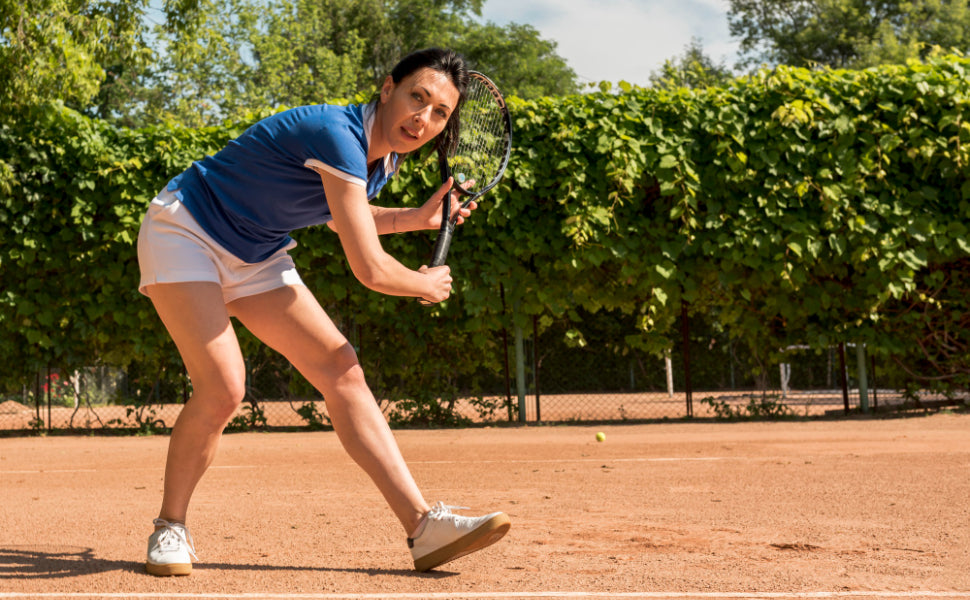
Tennis elbow is an incredibly common overuse injury that strikes far beyond the tennis court, affecting racket sport athletes, heavy lifters, manual workers, and weekend warriors alike. Caused by repetitive gripping and wrist extension, this condition can make everything from lifting a dumbbell to pouring a cup of coffee feel agonizing. A high-quality tennis elbow brace can significantly reduce pain and protect the tendon during critical healing phases.
However, the “best” brace is rarely a one-size-fits-all solution; the ideal choice depends heavily on injury severity, daily activity levels, and the overall rehabilitation strategy. This comprehensive guide covers the various types of braces available, the exact mechanisms behind how they work, criteria for choosing the right fit, and complementary strength training protocols. Furthermore, frequently asked questions and a comparison framework will equip anyone dealing with lateral epicondylitis with the tools needed to manage symptoms and return to peak performance.
Quick Answer: Which Brace Is Best?
A counterforce strap, typically worn around the forearm, is usually the best option for activity-specific pain relief, as it effectively redirects tension away from the injured tendon. For general support, joint warmth, and mild swelling reduction throughout the day, a compression sleeve is highly effective. Immobilizing or rigid hinged braces should be reserved strictly for severe cases or post-operative care where movement must be entirely restricted.
Selection must always remain individualized based on the specific aggravating activity. Additionally, braces serve as an adjunct training tool rather than a definitive cure. True recovery requires combining external support with proper strength exercises and technique adjustments.
Brief Anatomy and Cause of Tennis Elbow
Tennis elbow, clinically known as lateral epicondylitis, originates at the lateral epicondyle—the bony bump on the outside of the elbow. This area serves as the anchor point for the common extensor tendon, which connects the forearm muscles responsible for extending the wrist and supinating the forearm.
The injury typically develops from repetitive wrist extension and gripping motions. Over time, these repetitive loads create micro-tears in the extensor carpi radialis brevis (ECRB) tendon. If the rate of tissue damage exceeds the body's ability to repair itself, structural breakdown and localized pain occur. Typical symptoms include noticeable grip weakness, sharp pain when lifting objects, and discomfort when turning a doorknob or shaking hands.
Tendon health is directly influenced by the load applied and the movement technique utilized. Excessive tension without adequate recovery weakens the collagen matrix of the tendon, making it highly susceptible to further irritation during normal daily activities.
How Elbow Braces Help Support Recovery
The primary mechanism of an elbow brace revolves around load redistribution. Counterforce straps apply targeted pressure over the muscle belly of the forearm, which effectively creates a new anchor point. This reduces the tensile force transmitted directly to the compromised tendon insertion point at the lateral epicondyle.
Compression provides additional physiological benefits. Snug, uniform pressure reduces localized swelling and retains body heat, improving local blood circulation to the extensor muscles. Enhanced circulation aids in tissue recovery and promotes an optimal environment for rehabilitation.
Furthermore, braces offer proprioceptive input and pain modulation. The tactile sensation of the brace on the skin alters pain perception through the gate control theory of pain, while also increasing spatial awareness of the joint. In more severe injuries, rigid braces limit harmful ranges of motion. Psychologically, wearing a supportive device provides the confidence needed to perform controlled movements without fear of sudden, sharp pain.

Types of Braces for Tennis Elbow — In-depth
Counterforce Strap / Forearm Band
A counterforce strap features a narrow, adjustable band designed to sit squarely across the proximal forearm, roughly one to two inches below the elbow crease. Many incorporate a small air or foam pad to direct pressure precisely over the extensor muscle.
By compressing the muscle belly, the strap forces the muscle fibers to pull from the location of the band rather than from the lateral epicondyle, effectively dissipating tendon load.
Pros:
- Incredibly low profile and lightweight.
- Does not restrict the elbow’s range of motion.
- Provides immediate, localized pain relief during peak tendon load.
Cons:
- Requires precise placement; if positioned incorrectly, it provides zero benefit.
- Lacks general joint warmth and full-coverage support.
Best for: Individuals experiencing focal lateral tendon pain during dynamic activities, and athletes requiring unhindered elbow mobility for throwing or swinging.
Compression Sleeve / Elbow Sleeve
An elbow compression sleeve is a tightly knit or neoprene garment that covers the entire elbow joint and extends partially up the bicep and down the forearm.
These sleeves operate on the principle of diffuse compression and thermal regulation. They provide continuous, mild stabilization and keep the soft tissues warm, which keeps muscles pliable and reduces morning stiffness.
Pros:
- Offers continuous, all-around support.
- Highly effective at flushing out edema and reducing swelling.
- Comfortable enough for prolonged daily wear.
Cons:
- Less targeted pressure on the actual extensor tendon compared to a strap.
- Can become excessively warm and sweaty during intense exercise.
Best for: Diffuse, generalized soreness, post-workout recovery, and mild-to-moderate tendonitis cases requiring baseline daily support.
Elbow Sleeve with Pad or Counterforce Pad
This design merges the benefits of both previous types, featuring a full compression sleeve with integrated silicone or foam padding precisely located over the lateral epicondyle.
The sleeve provides global joint warmth and stability, while the embedded pad acts as a counterforce mechanism to absorb impact and redirect tendon stress.
Pros: Combines thermal benefits with targeted load reduction, while the padding offers protection against direct impact.
Cons: Considerably bulkier than a standalone strap or plain sleeve, and finding a perfect fit where the pad aligns exactly with the extensor muscle can be challenging.
Best for: Athletes engaged in contact sports or those needing extra localized protection on top of general joint compression.
Adjustable Wraps / Straps with Tension Control
Adjustable wraps consist of versatile fabric strips with heavy-duty hook-and-loop closures that allow the user to dictate the exact level of compression.
Pros:
- Offers completely customized tension.
- Can be quickly tightened during a heavy lifting set and loosened during rest periods.
- Accommodates fluctuating swelling levels.
Cons:
- Can feel bulky under long sleeves.
- Prone to slippage if not anchored correctly, requiring frequent readjustment.
Best for: Strength athletes, manual laborers, and individuals who require highly adaptable support that transitions between intense on-court action and off-court rest.
Hinged / Immobilizer Braces & Night Splints
Immobilizer braces utilize rigid lateral stays, hinges, or solid plastic shells to strictly govern the elbow's range of motion, often locking the joint at a specific angle. Night splints similarly keep the arm in a neutral position during sleep.
Pros:
- Exceptional at preventing involuntary, painful movements.
- Ideal for severe acute flare-ups and post-surgical protection.
- Prevents sleep disruptions caused by accidental bending.
Cons:
- Completely restricts functional movement.
- Not viable for active sports or daily chores.
- Overuse can lead to severe joint stiffness and muscle atrophy.
Best for: Severe degenerative tendonitis, post-operative rehabilitation, or specific nighttime aggravation where neutral positioning is paramount.
Wrist or Forearm Braces
Because tennis elbow is driven by wrist extension, stabilizing the wrist directly eliminates the primary mechanical stressor on the elbow tendon. Wrist splints completely block extension and flexion.
While not placed on the elbow itself, wrist braces are an essential adjunct when poor wrist positioning or repetitive wrist flicking is the root cause of the elbow overload. They are especially useful during typing or sleeping.
Matching Brace to Your Activity and Symptom Pattern
Aligning the brace style with specific symptom presentations and daily activities guarantees the highest level of functional relief.
- Acute sharp pain with activity: Counterforce strap paired with immediate activity modification.
- Chronic diffuse ache: Compression sleeve combined with an active progressive loading rehab protocol.
- Heavy lifting / gym environment: Reinforced sleeve with tension control, prioritizing technique adjustments.
- Sleep pain/nighttime aggravation: Rigid night splint or wrist brace to prevent involuntary flexion.
- Return-to-play phase: Low-profile strap during activity to maintain full joint mobility while offering focal tendon relief.
| Scenario / Sport | Recommended Brace Type | Primary Benefit |
|---|---|---|
| Racket Sports | Counterforce Strap | High mobility, targets ECRB load |
| Weightlifting | Adjustable Wrap / Sleeve | Custom tension, joint stability |
| Manual Labor | Compression Sleeve with Pad | All-day comfort, bump protection |
| Office Work/Typing | Wrist Brace | Blocks aggravating wrist extension |
How to Choose the Right tennis elbow support brace
Selecting the proper tennis elbow support brace requires evaluating several crucial criteria. Sizing is paramount; an overly tight brace restricts blood flow, while a loose brace fails to redistribute mechanical load. Always check the correct sizing chart specific to the design.
A comprehensive feature wishlist should include an anti-slip inner lining to prevent downward migration during sweaty workouts. A wider strap design is preferable because it distributes pressure more evenly across the forearm, avoiding nerve pinching. Additionally, look for flat-lock or seamless stitching to prevent skin irritation during prolonged use.
Before making a final choice, ask critical questions: Is the tension easily adjustable mid-activity? Is the material breathable enough for an intense tennis match or a heavy deadlift session? Does the supplier provide a clear return policy or warranty in case the fit does not match the arm's anatomy?
Fit and Sizing Guide
To reap the biomechanical benefits, exact fit and placement are required. Measure the forearm circumference approximately one to two inches below the elbow crease, keeping the arm relaxed. If choosing a Fivali full sleeve, measure the circumference directly over the center of the elbow joint.
For counterforce strap placement:
- Locate the lateral epicondyle (the outer bony bump of the elbow).
- Place the padded section of the strap about two finger-widths down the forearm from that bony bump.
- Tighten the strap so that it feels firm and supportive when making a fist, but unnoticeable when the hand is relaxed.
Common fit mistakes include placing the strap directly over the bone (which increases pain) or overtightening the strap, leading to numbness in the fingers. If the brace repeatedly slips down the forearm, the sizing is likely too large or the skin needs to be dried off. Most straps are ambidextrous, functioning equally well on the left or right arm.
Materials and Construction: Pros and Cons
The fabric composition dictates breathability, warmth, and longevity.
Neoprene provides excellent thermal retention and durability but suffers from poor breathability, making it prone to accumulating sweat. Knit compression fabrics offer superior ventilation and conform dynamically to the arm's contours, making them better suited for all-day wear, though they may stretch out over time.
Silicone grips are frequently added to the inner lining to prevent slippage, but they can cause mild skin irritation or blistering in sensitive individuals. Foam pads are lightweight and contour well to the muscle belly, whereas rigid plastic supports offer maximum off-loading but compromise comfort.
For quick care, hand wash knit and neoprene braces in cold water with mild detergent. Avoid machine drying, as excessive heat breaks down elastic fibers and compromises structural integrity.
Evidence and Real-World Effectiveness
Sports medicine literature frequently highlights the functional benefits of external supports for lateral epicondylitis. Studies indicate that counterforce straps and compression sleeves effectively provide short-term pain relief and temporarily increase pain-free grip strength. By altering the biomechanical pull on the lateral epicondyle, users experience a widened window of functional capacity.
However, braces possess inherent limitations. They provide symptom control rather than structural healing. External support does not magically repair degraded collagen or build tendon capacity.
The most successful real-world outcomes occur when braces are utilized as part of a multimodal plan. The practical takeaway is straightforward: use the brace to blunt the pain response during aggravating activities, but rely on targeted strengthening exercises to actually remodel the tendon and create long-term resilience.
How to Use an elbow support for tennis elbow Safely
Using an elbow support for tennis elbow safely means knowing when to wear it and when to take it off. Wear the brace exclusively during aggravating tasks—such as swinging a racket, performing heavy pulling exercises, or operating power tools. It should also be worn during the early stages of a rehabilitation program to keep pain levels manageable while introducing movement.
Avoid over-reliance. Wearing a brace around the clock out of fear of pain can lead to localized tissue weakness and delayed healing. Do not skip progressive loading and strengthening exercises under the false assumption that the brace is doing the restorative work.
Monitor skin health carefully. Allow a break-in period of a few hours a day before transitioning to longer wear times. Immediately loosen or remove the brace if signs of excessive compression appear, such as numbness, tingling in the hand, throbbing pain, or a bluish discoloration of the fingers.
Rehabilitation and Complementary Strategies
A structured strength training and rehabilitation approach is the true foundation of tendon recovery. Load management is the first variable to address. This involves scaling back the frequency, volume, or intensity of the aggravating activity and substituting it with variations that fall within a tolerable pain threshold, allowing for a gradual return to full performance.
A proper strengthening progression for the extensor tendons includes:
- Isometrics: Used primarily for pain relief in the acute phase. Perform wrist extension holds against an immovable resistance for 30 to 45 seconds, repeating for several sets.
- Eccentrics: The gold standard for tendon remodeling. Slowly lower a lightweight dumbbell from full wrist extension into full flexion, using the non-injured hand to assist the concentric (lifting) portion.
- Concentrics and Grip Training: Gradually incorporate full-range wrist extensions, supination/pronation drills, and static grip holds using farmers walks or grip trainers.
Mobility must not be neglected. Stretching the wrist and finger extensors with a straight elbow helps maintain tissue length.
Technique corrections are equally critical. Increasing racquet grip size, refining swing mechanics to use the entire kinetic chain, and correcting barbell lifting techniques (avoiding excessive wrist flexion during back exercises) prevent re-injury.
Soft tissue work, including self-massage or foam rolling the forearm belly, helps alleviate muscle tension. Adjunct modalities like applying ice immediately after strenuous activity can blunt acute inflammation, while applying heat prior to exercise enhances tissue pliability.
Sample 6–8 Week Plan
Recovering from lateral epicondylitis requires a systematic, week-by-week progression.
Weeks 0–1: Focus strictly on off-loading and pain control. Modify sleep positions, implement ergonomic desk adjustments, and consistently wear a counterforce strap during inevitable daily activities. Exercise should be limited to pain-free isometric holds and gentle mobility.
Weeks 2–4: Introduce eccentric work. Begin utilizing a light dumbbell (1-3 lbs) to perform slow, controlled eccentric wrist extensions. Gradually increase daily load exposure. Light, sport-specific drills can be reintroduced, keeping the brace on to manage sudden force spikes.
Weeks 5–8: Transition to progressive concentric strengthening and complex grip work. The tendon should now tolerate heavier loads. Begin to systematically reduce reliance on the brace during low-intensity tasks, saving it only for maximal efforts or intense sport-specific return-to-play testing.
Throughout this timeline, closely monitor pain trends over a 24-hour period post-exercise. Grip strength and tolerance for activities of daily living (ADL) should steadily improve. If pain regresses sharply, scale back the load.
Buying Comparison Framework
When evaluating options online, using a straightforward scoring rubric ensures a logical, value-driven decision. Score each brace out of 85 points using the following weights:
- Type Fit (20 points): Does the specific mechanism (strap vs. sleeve) match your unique symptoms?
- Adjustability (15 points): Can the tension and fit be modified on the fly?
- Comfort & Breathability (15 points): Are the materials suited for your intended environment (gym vs. office)?
- Durability (15 points): Will the stitching and Velcro hold up to daily wear?
- Price to Value (15 points): Does the cost reflect the features provided?
- Return Policy (5 points): Can it be exchanged if the sizing is inaccurate?
By assigning weights based on personal priorities—such as favoring comfort for daily office wear over strict durability for manual labor—the best functional choice becomes clear.
Common Mistakes to Avoid
- Using the wrong type of brace: Wearing a highly restrictive immobilizer to play a dynamic sport will severely hinder performance and cause compensatory injuries.
- Wearing the support too tight: Constricting blood flow limits recovery and causes nerve irritation.
- Relying solely on external support: Skipping active strengthening and eccentric rehab guarantees the tendon will remain structurally weak.
- Poor strap placement: Placing a counterforce strap directly over the injured lateral epicondyle rather than on the muscle belly exacerbates the pain.
- Ignoring sizing instructions: Buying a brace purely based on aesthetics or price without taking accurate forearm measurements often results in a useless product.
When to See a Healthcare Professional
Conservative self-management is highly effective, but certain red flags require immediate clinical evaluation. Seek guidance from a clinical professional if experiencing persistent severe pain at rest, profound grip weakness that causes dropped objects, numbness or tingling extending into the fingers, or a sudden, massive increase in joint swelling.
Additionally, if symptoms show zero improvement after 6 to 8 weeks of progressive rehab and consistent bracing, further investigation is necessary. A physiotherapist or sports medicine specialist can conduct a thorough biomechanical assessment, while advanced imaging may be required to rule out high-grade tendon tears or nerve entrapment syndromes.
Conclusion
Determining the “best” brace ultimately hinges on identifying specific functional goals and symptom patterns. A counterforce strap excels at blocking activity-induced pain, while a compression sleeve provides excellent ambient support and recovery benefits.
Optimal recovery requires a combination approach: integrating the correct external support with progressive tendon loading, technique refinement, and intelligent load management. To take the next step, equip a targeted strap for pain-free activity, utilize a compression sleeve for daily baseline relief, and prioritize a structured strength training protocol to rebuild tendon capacity from the ground up.
FAQ Section
What is a tennis elbow brace and how does it work?
It is an external supportive garment that functions by either compressing the forearm muscle to redistribute mechanical load away from the damaged lateral epicondyle or providing general joint compression to retain heat and reduce swelling.
Which brace is best for playing tennis or racquet sports?
A low-profile counterforce strap is ideal because it directly off-loads the extensor tendon during heavy racket swings without restricting the elbow's necessary range of motion.
Can a brace cure tennis elbow by itself?
No. External supports manage symptoms and reduce pain by altering biomechanical forces, but true tissue healing requires active progressive strength training and load management.
How tight should a tennis elbow strap be?
It should be snug enough to feel firm and supportive when the forearm muscles contract (like making a fist), but it should not cause pain, numbness, or throbbing when the arm is completely relaxed.
Where exactly should I place a counterforce strap?
Locate the bony bump on the outside of the elbow (lateral epicondyle) and secure the padded section of the strap over the muscle belly approximately one to two inches below that bone.
Can I wear a compression sleeve all day or to sleep?
Yes, a mild compression sleeve can be worn throughout the day for warmth and swelling reduction. However, restrictive or tightly strapped braces should be removed during sleep unless prescribed otherwise as a night splint.
Are there braces that prevent tennis elbow from happening?
While no device perfectly prevents injury, wearing tennis elbow support during heavy, repetitive loading can mitigate excessive strain on the tendon, lowering the risk of overuse flare-ups.
Can braces cause weakness if used long term?
Continuous, over-reliance on rigid supports without engaging in active strengthening can lead to localized muscle atrophy and tendon deconditioning over time.
How do I know if my pain is tennis elbow or something else?
Tennis elbow typically presents as sharp pain on the outside of the elbow that worsens with gripping or wrist extension. Numbness, tingling, or pain on the inside of the elbow points to other nerve or tendon issues requiring professional assessment.
How long should I expect to wear a brace during recovery?
Most individuals utilize a brace consistently for 4 to 8 weeks during the acute and sub-acute phases of rehab, gradually phasing it out as tendon capacity naturally improves.
Are there exercises I should avoid while wearing a brace?
Avoid any exercises that cause sharp, stabbing pain even with the brace on. Heavy, uncontrolled repetitive wrist extensions or sudden ballistic pulling movements should be minimized until base strength is restored.
How to wash and care for my elbow support brace?
Hand wash the garment in cold water using a mild detergent. Rinse thoroughly and allow it to air dry completely away from direct sunlight or heavy heat to preserve the elasticity and Velcro integrity.
Appendix / Resources
- Strap Placement Visualized: Measure two finger-widths down from the outer elbow bone. The main pressure pad should rest directly atop the thickest part of the upper forearm muscle.
- Measurement Points: For sleeves, wrap the tape measure around the center of the bent elbow. For straps, measure the thickest part of the upper forearm.
- Isometric Exercise Guide: Hold the injured arm straight out, palm down. Use the opposite hand to press down on the back of the hand while the injured side resists for 30 seconds.
- Eccentric Exercise Guide: Support the forearm on a table with the hand hanging off. Lift a light weight up using the healthy hand, then slowly lower the weight using only the injured wrist over a 4-second count.
- Search Term Suggestions: When hunting for the right product, use queries like "adjustable counterforce forearm strap", "breathable knit elbow compression sleeve", or "tennis elbow strap with silicone pad" to filter for high-quality functional designs.