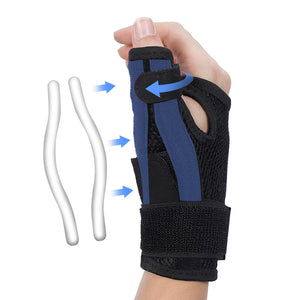
All-Day Comfort, Real Relief: Your Guide to Choosing the Best Counterforce Brace

You found a brace that promises to relieve your tennis elbow or forearm pain. That's the first step. But within a few hours of wearing it, a new set of problems emerges: the strap digs into your skin, sweat builds up underneath, and the constant, bulky presence is more distracting than the original pain.
If this sounds familiar, you've discovered the critical factor that determines whether a brace actually works: all-day comfort. Pain relief is pointless if the device is too uncomfortable to wear consistently.
The truth is, effective recovery hinges on adherence. And research shows that when it comes to supportive braces, non-adherence rates can be as high as 70%, with discomfort and skin irritation being the primary culprits. Choosing the right brace isn't just about targeting pain; it's about finding a supportive partner that integrates seamlessly into your life. This guide will walk you through exactly how to evaluate a counterforce brace for genuine, all-day wearability.
The Hidden Cost of Discomfort: Why Wearability is Non-Negotiable
A brace left in a drawer can't help you heal. Consistent use is what allows the targeted compression of a counterforce brace to reduce strain on your tendons. When a brace is uncomfortable, you're less likely to wear it for the recommended duration, which slows down recovery and can even lead to giving up on the treatment altogether.
Beyond the physical, there's a psychological component. A comfortable brace becomes an extension of your body, providing quiet confidence. An uncomfortable one is a constant, irritating reminder of your injury. This is why focusing on comfort isn't an indulgence—it's a strategic decision for better and faster outcomes.
Decoding the Fabric: Your First Line of Defense Against Irritation
The material touching your skin for hours on end is the single most important factor for comfort. Many basic braces use materials like neoprene, which can be supportive but often traps heat and moisture, creating a perfect environment for rashes and chafing.
Here’s what to look for instead:
- Breathability: Look for advanced, fabric-based materials engineered to allow air circulation. These textiles let heat and water vapor escape, keeping your skin cooler and drier, even during activity.
- Moisture-Wicking: High-performance fabrics actively pull sweat away from your skin to the outer surface of the brace, where it can evaporate. This prevents that slick, clammy feeling and reduces the risk of irritation.
- Skin-Friendly Properties: The best materials are hypoallergenic and free from common irritants like latex. A soft, seamless inner lining is crucial for preventing friction and pressure sores during prolonged wear.
This focus on advanced textiles is central to Fivali's design. Our Comfortable Fabric is an engineered blend that prioritizes breathability and moisture management, while the Skin-Friendly inner lining ensures a smooth, non-irritating contact point with your skin.
The Science of Fit: Ergonomic Design for Lasting Support
A brace can be made from the world's best material, but if it's poorly designed, it will still cause problems. Ergonomics is about how the brace conforms to your body, moves with you, and distributes pressure effectively.
Key Ergonomic Features to Evaluate:
1. Strategic Padding That Absorbs, Not Annoys
Padding is essential for applying targeted pressure, but bulky or poorly placed foam can create more problems than it solves. Modern ergonomic design uses advanced materials that provide firm support without unnecessary heft.
Fivali’s Shock-Absorbing Padding, often made from high-density EVA, is engineered to do more than just press on a tendon. It’s designed to dissipate force from impacts and movements, protecting the sensitive area. Its low-profile geometry ensures it provides targeted compression exactly where needed without creating uncomfortable pressure points elsewhere. For those who need a reliable tennis elbow brace, this feature is a game-changer for all-day use.
2. Low-Profile and Anatomical Shape
A great all-day brace shouldn't get in the way. Look for a design that is contoured to the natural shape of your arm. A low-profile build allows it to fit easily under clothing without snagging or bulging, so you can wear it discreetly at work or during daily activities.

3. Intelligent Adjustability
A simple "one-size-fits-all" strap often leads to either slipping or over-tightening. Superior braces feature wide, secure fastening systems (like hook-and-loop) that allow for micro-adjustments. This lets you find the perfect level of compression that feels supportive but not restrictive, and you can easily adjust it throughout the day as your activity level changes. It's also important to understand the difference between a counterforce brace vs elbow sleeve to ensure you choose the right type of support for your needs.
Your All-Day Comfort Checklist
As you compare options, use this framework to make a confident choice. The goal is to move beyond marketing claims and evaluate the features that truly deliver a better wearing experience. When exploring different types of counterforce bracing, keep these points at the forefront of your mind.
- Material Check: Is the fabric described as breathable and moisture-wicking? Is the inner lining seamless and soft?
- Padding Assessment: Is the padding made of a modern material like EVA or silicone? Is it strategically placed and low-profile?
- Ergonomic Fit: Does the brace have an anatomical shape that contours to your arm? Can you wear it under a sleeve without it feeling bulky?
- Adjustability: Does it offer a secure and easily adjustable fastening system for a customized fit?
- Skin Health: Are the materials hypoallergenic and latex-free?
Frequently Asked Questions About Counterforce Brace Comfort
Q1: Why is all-day comfort so important for a counterforce brace to be effective?
A: All-day comfort is non-negotiable because consistent use is key to effective recovery. An uncomfortable brace leads to non-adherence, meaning you won't wear it for the recommended duration. This slows down healing and can cause you to abandon treatment altogether. A comfortable brace integrates seamlessly into your life, becoming a supportive partner that you'll actually wear, ensuring you get the full therapeutic benefits of targeted compression and strain reduction.
Q2: What materials should I look for to ensure comfort and prevent skin irritation?
A: Prioritize braces made from advanced, fabric-based materials that offer breathability and moisture-wicking properties. These materials allow air circulation, keeping your skin cooler and drier by pulling sweat away to evaporate. Look for textiles that are hypoallergenic, latex-free, and feature a soft, seamless inner lining to prevent friction, rashes, chafing, and pressure sores during prolonged wear. Materials like those used in Fivali's Comfortable Fabric blend are designed with these skin-friendly properties in mind.
Q3: How tight should a counterforce brace be for all-day wear?
A: A counterforce brace should be snug enough to provide noticeable, targeted compression on the affected area without causing discomfort, numbness, tingling, or cutting off circulation. You should be able to comfortably slip one finger between the strap and your skin. The goal is firm, supportive pressure, not constriction. Look for braces with intelligent adjustability to customize the fit to your comfort level.
Q4: Can I wear my counterforce brace while sleeping?
A: Generally, it is not recommended to wear a counterforce brace while sleeping unless explicitly advised by a healthcare professional. During sleep, your muscles are at rest, and continuous compression is typically unnecessary. Wearing it overnight could potentially interfere with circulation or cause discomfort, which might impede rather than aid recovery.
Q5: How do I clean my brace to prevent skin irritation and maintain its effectiveness?
A: Always follow the manufacturer's specific cleaning instructions. For most fabric-based braces, like Fivali's, hand-washing with mild soap and cool water is recommended. After washing, rinse thoroughly and allow the brace to air-dry completely before wearing it again. Regular cleaning is crucial to remove sweat, skin oils, and bacteria that can accumulate and lead to odors or skin irritation, ensuring hygiene and extending the life of your brace.
Q6: My brace keeps slipping down my arm. What factors contribute to this, and how can I prevent it?
A: Brace slipping is a common issue often caused by improper fit, incorrect placement, or a poorly designed product. To prevent slipping, ensure you're following the instructions for proper placement on your forearm. Look for braces with an anatomical shape that contours to your arm's natural curves, wide and secure fastening systems (like hook-and-loop) for micro-adjustments, and potentially non-slip silicone strips for added security. A well-designed brace should maintain its position securely during normal daily activities.
Make Comfort a Priority in Your Recovery
Choosing a counterforce brace is a critical step in getting back to the activities you love without pain. But the journey doesn't end there. By prioritizing comfort, you're investing in a solution you will actually wear, ensuring you get the full therapeutic benefit.
Don't settle for a brace that trades one kind of discomfort for another. By evaluating materials, padding, and ergonomic design, you can find a supportive tool that feels less like a medical device and more like a natural part of your gear.