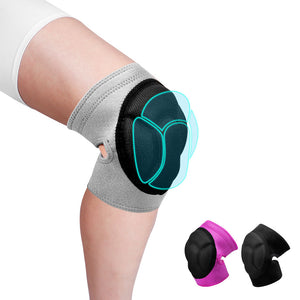
Counterforce Brace
- Black
- Grey
- Blue
- Purple
- Pink
- Black
- Dusty Blue
- Blue
- Pink
- White
- Pink
- White
- Yellow
- Purple
- Black
- Black
- Grey
- Grey
- Black
- Blue
- Grey
- Blue
- Black
- Black
- Blue
What is a Counterforce Brace Used For?
If you have ever experienced a sharp, aching pain shooting down your forearm after a long day of typing or an intense weekend on the tennis court, you are likely familiar with the frustrations of repetitive strain injuries. For millions of people dealing with these nagging musculoskeletal conditions, a counterforce brace is a specialized orthopedic accessory designed to provide targeted support, reduce inflammation, and alleviate localized pain.
Whether you are a competitive athlete or an office professional, understanding how this simple yet highly effective tool works can be the key to reclaiming your daily comfort and functional movement.
Understanding the Mechanics: How Does It Work?
To understand what this supportive band does, it helps to understand the anatomy of the forearm. Your forearm contains numerous muscles and tendons that attach to the bony bumps (epicondyles) of your elbow. When you engage in repetitive wrist and arm motions—like swinging a racket, throwing a baseball, or typing on a keyboard—micro-tears can develop in these tendons, leading to severe discomfort.
The primary function of this compression device is to act as a secondary attachment point for your muscles. By applying firm, targeted pressure directly to the upper forearm muscles just below the elbow, the strap effectively redistributes the mechanical load. When your muscles contract, the tension is absorbed by the strap rather than the inflamed tendon attachment at the elbow joint. This reduction in strain prevents further tissue damage and limits pain during physical activities, allowing your injured tendons the critical rest they need to heal.
Common Conditions Relieved by Targeted Compression
Orthopedic specialists routinely recommend these supportive bands for a variety of repetitive-use injuries. Some of the most common conditions include:
Lateral Epicondylitis (Tennis Elbow)
Despite its name, you do not have to be a tennis player to develop tennis elbow. This condition involves the inflammation of the tendons on the outside of the elbow. It is incredibly common among painters, carpenters, plumbers, and anyone who performs repetitive gripping and twisting motions. The localized compression helps relieve the stress placed on these outer tendons, making everyday tasks manageable again.
Medial Epicondylitis (Golfer's Elbow)
Similar to its lateral counterpart, golfer's elbow affects the tendons on the inside of the elbow. It frequently affects those who participate in golf, bowling, baseball, and weightlifting. By adjusting the pressure pad's placement to the inner forearm, users can effectively manage inner elbow pain and continue pursuing their favorite athletic hobbies.
General Forearm Tendonitis and Workplace RSI
With the rise of remote work and extended hours spent at computer desks, Repetitive Strain Injuries (RSIs) are at an all-time high. Excessive mouse clicking and keyboard typing can aggravate the forearm flexors and extensors. A supportive forearm strap serves as a physical reminder to maintain proper ergonomics while absorbing the micro-shocks from constant typing.
Who Can Benefit from Wearing One?
The versatility of this supportive tool makes it invaluable across diverse lifestyles:
- Athletes and Fitness Enthusiasts: From the surging popularity of pickleball to traditional sports like racquetball and baseball, athletes rely heavily on their upper limbs. Wearing a compression strap allows individuals to play through mild discomfort safely. It encourages athletes to pay close attention to their form and biomechanics, preventing acute injuries from becoming chronic problems.
- Manual Laborers and Tradespeople: Mechanics, construction workers, and landscapers use heavy tools that vibrate and require a strong, sustained grip. A compression band helps absorb occupational impact, reducing the daily wear and tear on the arm.
- Office Workers: Those chained to a desk often suffer in silence from burning forearm pain. Wearing a discreet band under a long-sleeve shirt can provide all-day relief without disrupting workplace productivity.
How to Properly Wear an Elbow Strap
For optimal pain relief, correct application is crucial. Wearing the band too high, too low, or too tight can negate its benefits and potentially restrict blood circulation.
To wear it correctly, locate the bony protrusion on the outside (or inside) of your elbow where the pain is most acute. Measure about one to two inches (roughly two finger-widths) down the forearm from that bony bump. Wrap the band around the thickest part of your forearm muscle, ensuring the localized pressure pad rests directly over the affected muscle belly. Tighten the strap so that it is snug and secure, but you should still be able to slide a pinky finger underneath the edge. You should feel comfortable compression when you make a fist, but no numbness or tingling in your fingers.
Integrating Support into a Comprehensive Recovery Plan
While wearing a forearm band offers immediate symptomatic relief and helps you push through your active lifestyle, it is vital to remember that it is not a standalone cure. It should be viewed as one component of a holistic recovery strategy.
To fully address the underlying biomechanical issues causing your discomfort, it is highly recommended to seek a proper medical evaluation. A physical therapist can guide you through eccentric strengthening exercises, deep tissue massage, and stretching routines tailored to your specific injury. Complementary at-home treatments, such as applying ice to the affected area after activity and prioritizing adequate rest, will significantly accelerate the healing process.
A Vital Tool for Active Recovery
Managing elbow and forearm pain does not necessarily mean you have to be completely sidelined. By providing intelligent, targeted support, a compression strap enables users to maintain their quality of life, engage in essential physical activities, and work actively toward long-term healing. Whether you are aiming to excel in your next sports tournament or simply want to get through a workday without wincing in pain, this accessible tool is a powerful asset for promoting functional movement and keeping chronic injuries at bay.